- Angela’s Picks
- Shop by Age
- Shop by Category
- Shop by Values
- Montessori Toys
- Sensory Toys
- Teething Toys
- Wooden Toys
- Educational Toys
- Stacking & Sorting Toys
- Baby Bottles
- Sippy Cups
- Plates & Bowls
- Bibs
- Baby Utensils
- Deals
- High Chairs
- Breastfeeding & Nursing
- Snack Containers
- Crib Mattresses
- Bassinets
- Sleep Sacks & Swaddles
- Baby Blankets
- Baby Monitors
- Cribs & Nursery Furniture
- Baby Shampoo & Wash
- Baby Lotion & Oil
- Baby Sunscreen
- Bath Tubs & Seats
- Towels & Washcloths
- Diaper Cream & Balm
- Eco-Friendly Diapers
- Baby Wipes
- Potty Training
- Changing Pads
- Cloth Diapers
- Baby Thermometers
- Baby Proofing
- Baby Gates
- Humidifiers
- First Aid & Grooming
- Onesies & Bodysuits
- Sleepers & Pajamas
- Hats & Mittens
- Nursing Pads
- Breast Pumps & Accessories
- Postpartum Care
Starting Solids: A Baby Feeding Schedule (4-12 Months)

Quick Answer
When and how to start solids: signs of readiness, first foods, how much and how often by age, foods to avoid, and a simple feeding schedule from 4-12 months.
Starting solids is one of the most exciting (and messiest) milestones of the first year. But it comes with a lot of questions: When do I start? How much? What about choking? This guide gives you a clear, stage-by-stage feeding schedule plus the safety basics — so you can relax and enjoy the food adventure.
When to Start Solids
Most experts, including the AAP, recommend starting solids around 6 months — and not before 4 months. More important than the calendar are your baby’s signs of readiness:
- Sits up with little or no support and holds their head steady.
- Has lost the tongue-thrust reflex (doesn’t automatically push food out).
- Shows interest in food — watching you eat, reaching, leaning in.
- Can move food to the back of the mouth and swallow.
Until 12 months, breast milk or formula remains your baby’s main source of nutrition. Solids in the beginning are about practice, exposure, and fun — not replacing milk.
Purees vs. Baby-Led Weaning
There are two popular approaches, and you can absolutely mix them:
- Spoon-fed purees: smooth then textured foods, gradually thicker. Easy to control amounts.
- Baby-led weaning (BLW): offering soft, graspable finger foods from the start so baby self-feeds. Great for motor skills and self-regulation. Learn more in our complete baby-led weaning guide.
Feeding Schedule by Age
| Age | Milk feeds | Solids |
|---|---|---|
| 4–6 months* | On demand (primary) | 0–1 small “tastes” if showing readiness |
| 6–8 months | 4–6 feeds/day | 2 meals/day, a few tablespoons each |
| 9–11 months | 3–5 feeds/day | 3 meals + 1–2 snacks; more texture & finger foods |
| 12 months | Transition toward whole milk | 3 meals + 2 snacks; eats most family foods |
*Only start before 6 months if your pediatrician advises and your baby shows clear readiness signs.
Great First Foods
There’s no “required” first food. Iron-rich options are a smart early focus: iron-fortified oatmeal, pureed or soft-cooked lentils and beans, well-cooked egg, and soft meats. Add single-ingredient fruits and vegetables — avocado, sweet potato, banana, peas, butternut squash. Introduce one new food at a time and watch for reactions.
Current guidance encourages introducing common allergens early (around 6 months) and regularly — including peanut (as thinned peanut butter, never whole nuts), egg, and dairy — which may reduce allergy risk. Talk to your pediatrician first if there’s a family history of allergies.
Foods & Hazards to Avoid
- Honey — never before 12 months (risk of infant botulism).
- Cow’s milk as a drink — wait until 12 months (small amounts in food are fine).
- Choking hazards — whole grapes, nuts, popcorn, hard raw veggies, hot dog coins, chunks of cheese or meat. Cut round foods lengthwise and into small pieces.
- Added salt and sugar — keep meals simple and unseasoned.
- Honey-sweetened or high-mercury fish — limit high-mercury fish; choose low-mercury options like salmon.
Always supervise meals, seat baby upright, and learn the difference between gagging (normal and protective) and choking (silent, needs action). An infant CPR class is well worth it.
Gear That Helps
A stable non-toxic highchair, a few silicone bibs and suction bowls, and BPA-free plates and cups make mealtimes easier and cleaner. Look for food-grade silicone and stainless steel over plastic.
Starting Solids Gear
| Product | Best For | Price | |
|---|---|---|---|
| Gerber 2nd Food Sitter Baby Food 4 Oz | Best Overall | $13.14 | View |
| 6-Piece Silicone Baby Feeding Spoons, Soft-Tip | Best Value | $11.99 | View |
| White Leaf Provisions Organic Carrot Sweet Potato Baby | Editor's Pick | $2.18 | View |
| Munchkin® Soft Tip™ Baby Spoons, BPA Free, 12 | Great Choice | $5.93 | View |
| Happy Family Organics Stage 2 Baby Food Pouches | Great Choice | $1.74 | View |
| 12 Pcs Baby Doll Accessories Feeding Toy Set | Great Choice | $9.99 | View |
BEST OVERALL 
Gerber 2nd Food Sitter Baby Food 4 Oz Tubs x 2 Pack
$13.14
- Made with real fruit: Each 4 oz tub contains 2/3 pear, ensuring your baby enjoys pure, wholesome goodness.
- Boosts immune health: With 45% of the daily value of Vitamin C, it helps strengthen your baby's immune system.
- Non-GMO: Parents can feel at ease knowing this baby food is made without genetically modified ingredients.
- No artificial additives: Gerber's commitment to quality means no artificial flavors, colors, or added sugars.
- Flavor exploration: Ideal for introducing a variety of tastes and textures, encouraging healthy eating habits early on.
BEST VALUE 
6-Piece Silicone Baby Feeding Spoons, Soft-Tip
$11.99
- Gentle on Gums: The pliable, soft tips of the spoons are easy on babies' mouths, perfect for their teething phase.
- Colorful Variety: With six pastel shades, these spoons are visually soothing, supporting your baby's developing sight without overwhelming their senses.
- Easy to Grip: The ergonomic design fits perfectly in tiny hands, encouraging self-feeding while allowing parents to assist comfortably.
- Durable & Flexible: Made to withstand bending and chewing, these spoons are robust enough for daily use without cracking or breaking.
- Mess-Free Design: Smooth surfaces prevent food from getting trapped, making clean-up a breeze and keeping mealtime enjoyable.
EDITOR'S PICK 
White Leaf Provisions Organic Carrot Sweet Potato Baby Food 3.17 OZ
$2.18
- Made from 100% organic carrots and sweet potatoes, providing essential vitamins and minerals.
- Convenient single-serving size (3.17 oz) perfect for on-the-go feeding.
- Kosher certified, making it suitable for various dietary practices.
- Natural flavor without preservatives, ensuring a clean eating experience for your baby.
- Great for introducing new tastes and textures to your baby's diet.
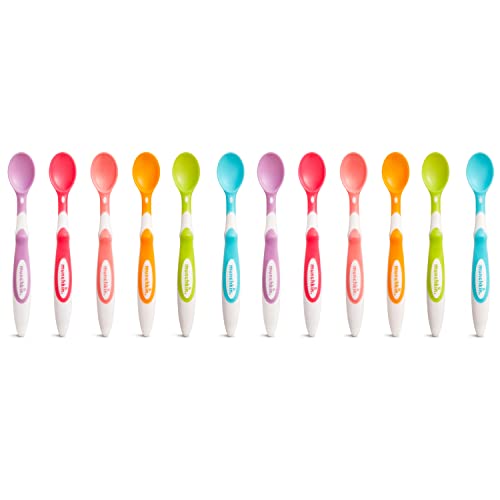
Munchkin® Soft Tip™ Baby Spoons, BPA Free, 12 Pack
$5.93
- Soft, rounded spoon bowls that are safe and gentle on sensitive gums.
- Ergonomic design provides a comfortable grip for parents during feeding time.
- Shallow spoon bowls make it easy for little ones to scoop their first bites.
- Bright, colorful spoons that engage your baby's interest and make mealtime fun.
- Includes a generous pack of 12 spoons, ensuring you always have one on hand.

Happy Family Organics Stage 2 Baby Food Pouches 4 Oz 1
$1.74
- Simple Ingredients: Each pouch contains only three organic ingredients, ensuring that you know exactly what your baby is eating.
- Flavorful Nutrition: The combination of pear, spinach, and kale introduces your baby to new flavors while providing essential nutrients.
- Transparent Packaging: The clear pouch design allows you to see the vibrant goodness inside, instilling confidence in every meal.
- Health Benefits: Each serving contains 3g of fiber, aiding in digestion and promoting overall health for your little one.
- Mom-Founded Mission: With a commitment to changing children’s health through nutrition, Happy Family Organics empowers parents to make informed choices.

12 Pcs Baby Doll Accessories Feeding Toy Set
$9.99
- Engaging Role Play: Kids can enjoy hours of imaginative play, enhancing their creativity and social skills as they role-play caring for their dolls.
- Durable Materials: Made from high-quality plastic, these toys are sturdy enough to withstand the rough and tumble of playtime.
- Easy to Clean: The materials used ensure that cleanup is a breeze, allowing more time for fun and less time worrying about messes.
- Convenient Storage: The included pink storage bag makes it easy to keep everything organized and tidy after playtime ends.
- Magic Bottles: The unique design of the feeding bottles creates a realistic drinking experience that helps stimulate your child’s imagination.
As an Amazon Associate we earn from qualifying purchases. We only recommend products we'd use ourselves — we're never paid for placement.
Frequently Asked Questions
How much solid food should a 6-month-old eat?
Start with just 1–2 teaspoons once or twice a day and follow your baby’s cues. They may eat only a bite or two at first — that’s normal. Milk still provides the bulk of their nutrition at this stage.
Should I offer solids or milk first?
In the early months, offer milk first and solids after, since milk is still the main nutrition. As baby approaches 9–12 months and eats more, you can begin offering solids first at mealtimes.
What are the best first foods for babies?
Iron-rich foods (fortified oatmeal, lentils, soft meats, egg) plus single-ingredient fruits and vegetables like avocado, sweet potato, and banana are excellent first foods. Introduce one at a time and watch for any reactions.
When can babies have water?
Small sips of water (a few ounces) can be offered with meals once solids start around 6 months, ideally from an open or straw cup. Babies don’t need large amounts of water before 12 months.
This guide is for general educational purposes and is not medical advice. Every baby develops at their own pace. Always consult your pediatrician about your child’s sleep, feeding, and development.