- Angela’s Picks
- Shop by Age
- Shop by Category
- Shop by Values
- Montessori Toys
- Sensory Toys
- Teething Toys
- Wooden Toys
- Educational Toys
- Stacking & Sorting Toys
- Baby Bottles
- Sippy Cups
- Plates & Bowls
- Bibs
- Baby Utensils
- Deals
- High Chairs
- Breastfeeding & Nursing
- Snack Containers
- Crib Mattresses
- Bassinets
- Sleep Sacks & Swaddles
- Baby Blankets
- Baby Monitors
- Cribs & Nursery Furniture
- Baby Shampoo & Wash
- Baby Lotion & Oil
- Baby Sunscreen
- Bath Tubs & Seats
- Towels & Washcloths
- Diaper Cream & Balm
- Eco-Friendly Diapers
- Baby Wipes
- Potty Training
- Changing Pads
- Cloth Diapers
- Baby Thermometers
- Baby Proofing
- Baby Gates
- Humidifiers
- First Aid & Grooming
- Onesies & Bodysuits
- Sleepers & Pajamas
- Hats & Mittens
- Nursing Pads
- Breast Pumps & Accessories
- Postpartum Care
Baby Sleep Schedule by Age: Newborn to 12 Months (2026)

Quick Answer
How much should your baby sleep? A month-by-month baby sleep schedule from newborn to 12 months, with safe-sleep basics, sample routines, and regression tips.
If you’re running on broken sleep and wondering whether your baby’s patterns are “normal,” take a breath — you’re in good company. Baby sleep changes dramatically across the first year, and there’s a wide range of normal. This guide breaks down how much sleep to expect at each age, sample schedules you can actually use, and the safe-sleep basics every parent should know.
One thing to remember up front: these are ranges and averages, not rules. A well-rested, growing, happy baby who sleeps a little more or less than the chart is usually just fine.
How Much Sleep Does a Baby Need? (Quick Chart)
| Age | Total sleep / 24h | Night sleep | Daytime naps |
|---|---|---|---|
| Newborn (0–6 wks) | 14–17 hours | 8–9 hrs (in chunks) | 4–6 naps |
| 2–3 months | 14–16 hours | 9–10 hrs | 3–4 naps |
| 4–6 months | 13–15 hours | 10–11 hrs | 2–3 naps |
| 7–9 months | 12–15 hours | 11–12 hrs | 2 naps |
| 10–12 months | 12–14 hours | 11–12 hrs | 2 naps |
Safe Sleep: The Non-Negotiables
Before any schedule, safety comes first. The American Academy of Pediatrics’ safe-sleep guidance comes down to the ABCs:
Baby Sleep Miracle
Help baby sleep through the night naturally
Get It →- A — Alone: Baby sleeps on their own clear surface. No pillows, bumpers, blankets, or stuffed animals.
- B — Back: Always place baby on their back for every sleep, day and night.
- C — Crib (or bassinet): A firm, flat surface with a fitted sheet only. Room-sharing (not bed-sharing) is recommended for the first 6–12 months.
A non-toxic bassinet and a GREENGUARD Gold crib mattress keep that sleep space both safe and free of off-gassing chemicals. For warmth without loose blankets, a wearable sleep sack is the go-to.
Newborn (0–3 Months): Survival Mode
Newborns don’t have a circadian rhythm yet, so they sleep in short 2–4 hour stretches around the clock, waking to feed. There is no real “schedule” here — the goal is simply to follow your baby’s hunger and sleepy cues and survive. Watch for early sleepy signs (yawning, looking away, fussing) and aim for short wake windows of 45–90 minutes before the next nap.
Around 6–8 weeks, you can gently encourage day/night differences: bright and active during the day, dim and calm at night. For more, see our newborn sleep guide.
4–6 Months: Rhythms Start to Form
Many babies consolidate night sleep and drop to 2–3 naps. Wake windows stretch to about 1.5–2.5 hours. This is also when the famous 4-month sleep regression often hits — a permanent change in sleep architecture that can temporarily wreck a good sleeper. It passes. A consistent, calming bedtime routine helps enormously.
- Sample day: Wake 7:00 · Nap 9:00 · Nap 12:30 · Nap 3:30 (catnap) · Bedtime 7:00–7:30
7–12 Months: Two Solid Naps
Most babies settle into a predictable 2-nap schedule (mid-morning and early afternoon) with 11–12 hours at night. Wake windows are about 2.5–3.5 hours. An 8–10 month regression can appear thanks to crawling, pulling up, and separation anxiety.
- Sample day: Wake 6:30–7:00 · Nap 9:30 (1–1.5h) · Nap 2:00 (1.5–2h) · Bedtime 7:00–7:30
5 Gentle Tips for Better Baby Sleep
- Consistent bedtime routine: bath, pajamas, book, feed, song — the same order every night signals “sleep is coming.”
- Watch wake windows, not just the clock: overtired babies fight sleep harder.
- Put baby down drowsy but awake when you can, so they learn to settle.
- Dark, cool room (68–72°F) with white noise.
- Full feeds during the day to reduce night hunger as they grow.
Sleep Gear by Age
| Product | Best For | Price | |
|---|---|---|---|
| HALO Sleepsack Wearable Blanket, Velboa Cream Plush Dots, | Best Overall | $34.99 | View |
| Mama Cheetah Organic Cotton Baby Sleep Sack | Best Value | $14.99 | View |
| HALO Plush Dot Velboa Sleepsack Swaddle Wearable Blanket, | Editor's Pick | $34.99 | View |
| Unnivoll Fleece Baby Sleep Sack 0-24 Months 1.5 | Great Choice | $24.99 | View |
| KeaBabies Organic Baby Swaddle Sleep Sacks - 3 | Great Choice | $24.96 | View |
| Amazon Essentials unisex-baby Cotton Sleep Sack, Wearable Blanket | Great Choice | $16.03 | View |
BEST OVERALL 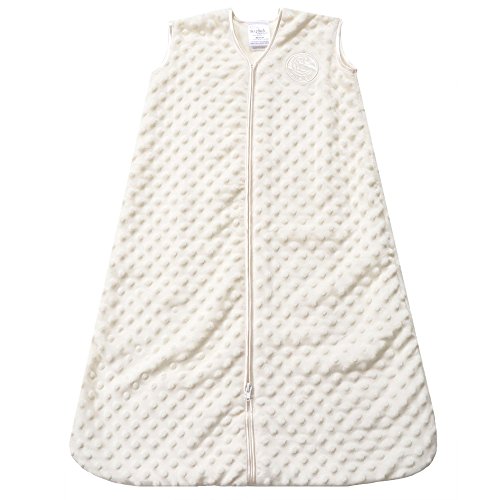
HALO Sleepsack Wearable Blanket, Velboa Cream Plush Dots, Large
$34.99
- Safe Sleep: Replaces loose blankets to reduce the risk of suffocation, creating a secure sleep space.
- Comfortable Material: Made from ultra-soft micro-fleece with plush dots, perfect for snuggling during cooler months.
- Hip Healthy Design: Recognized by the International Hip Dysplasia Institute, allowing room for movement while keeping baby warm.
- Convenient Diaper Changes: Features an inverted zipper that opens from the bottom for easy access during those nighttime changes.
- Breathable Fit: Sleeveless design ensures your baby stays comfortable without the risk of overheating.
BEST VALUE 
Mama Cheetah Organic Cotton Baby Sleep Sack
$14.99
- Designed with a 1.0 TOG rating, it provides optimal warmth for moderate climates, keeping your baby snug without overheating.
- Features practical two-way zippers for effortless diaper changes, saving you time during those midnight wake-ups.
- Built with a safety tab to protect your baby's delicate neck and chin, ensuring a secure and comfortable fit.
- Available in multiple sizes to accommodate your growing baby from newborn to toddler stages, allowing for extended use.
- Promotes a smooth transition from swaddling, helping to establish healthy sleep routines for your child's development.
EDITOR'S PICK 
HALO Plush Dot Velboa Sleepsack Swaddle Wearable Blanket, Size Newborn
$34.99
- 3-way swaddle design allows for adjustable comfort to suit your baby’s sleep stage.
- Plush dot velboa fabric is incredibly soft, ensuring a gentle touch against sensitive skin.
- Inverted zipper design makes nighttime diaper changes a breeze without disturbing your baby’s sleep.
- Sleeveless construction helps prevent overheating, promoting a safer sleep environment.
- Generously sized fasteners ensure a snug fit, giving parents peace of mind as their baby sleeps.
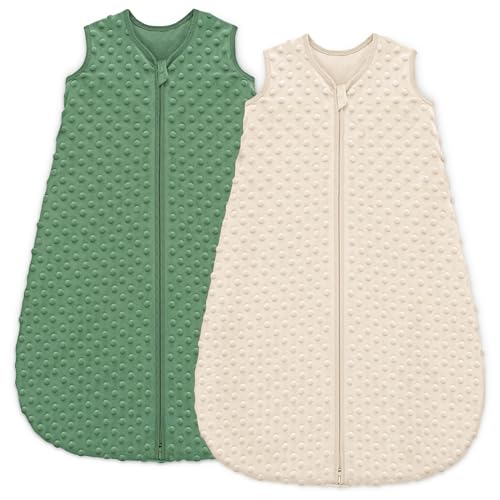
Unnivoll Fleece Baby Sleep Sack 0-24 Months 1.5 Tog
$24.99
- Double-layer Comfort: Featuring a soft 100% cotton lining and plush fleece exterior, this sleep sack is gentle against your baby's skin.
- Convenient Diaper Changes: The smooth two-way zipper allows for quick diaper changes without waking your baby, making night-time parenting a little easier.
- Room for Movement: The roomy design allows for kicking and squirming while promoting healthy hip development.
- Soothing Design: The raised dots mimic a comforting touch, helping soothe your baby into a restful sleep.
- Temperature Regulation: Ideal for cooler nights, it maintains warmth without the risk of overheating.
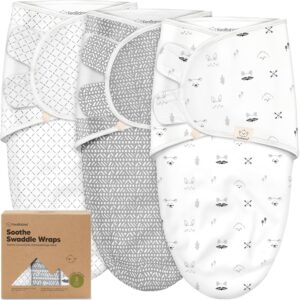
KeaBabies Organic Baby Swaddle Sleep Sacks - 3 Pack
$24.96
- Made from 100% organic cotton, ensuring a soft and safe touch for your baby's sensitive skin.
- Unisex designs make it a versatile choice for any nursery, whether for baby boys or girls.
- Designed to keep your baby securely swaddled, promoting better sleep routines and comfort.
- Breathable fabric allows air circulation, reducing the risk of overheating during sleep.
- Easy-to-use design simplifies late-night changes, making life a little easier for new parents.

Amazon Essentials unisex-baby Cotton Sleep Sack, Wearable Blanket
$16.03
- Super soft cotton knit provides a gentle touch against your baby's skin, enhancing comfort at bedtime.
- The quilted interior adds plush padding, creating a warm and inviting atmosphere, perfect for chilly nights.
- Full-length zipper allows for easy dressing and undressing, making nighttime changes a breeze.
- Relaxed fit accommodates active little ones, so they can kick, wiggle, and move comfortably.
- Designed in collaboration with Sofia Grainge, this sleep sack combines style and functionality, appealing to chic parents.
As an Amazon Associate we earn from qualifying purchases. We only recommend products we'd use ourselves — we're never paid for placement.
Frequently Asked Questions
When do babies sleep through the night?
Many babies can sleep 6–8 hour stretches by 4–6 months, but “sleeping through the night” varies widely and night wakings are normal well into the first year. Breastfed babies often wake to feed a bit longer, which is completely healthy.
What is a wake window?
A wake window is the amount of time a baby can comfortably stay awake between sleeps. They grow with age — from about 45–90 minutes for newborns to 2.5–3.5 hours by the end of the first year. Catching the sleepy window helps avoid an overtired meltdown.
Is the 4-month sleep regression real?
Yes. Around 4 months, babies’ sleep cycles mature to be more like an adult’s, which means more brief awakenings. It’s actually a developmental leap, not a setback. Keeping a consistent routine and not introducing brand-new sleep crutches helps you ride it out.
Can my baby sleep with a blanket?
No loose blankets until at least 12 months, per AAP safe-sleep guidance. Use a wearable sleep sack or swaddle (until they can roll) for warmth instead.
This guide is for general educational purposes and is not medical advice. Every baby develops at their own pace. Always consult your pediatrician about your child’s sleep, feeding, and development.
Angela's Recommended Resources
Guides and courses I personally recommend:
Most Popular
Baby Sleep Miracle
Proven gentle method to help your baby sleep through the night naturally. No cry-it-out, science-backed.
* Affiliate links. We may earn a commission at no extra cost to you.