- Angela’s Picks
- Shop by Age
- Shop by Category
- Shop by Values
- Montessori Toys
- Sensory Toys
- Teething Toys
- Wooden Toys
- Educational Toys
- Stacking & Sorting Toys
- Baby Bottles
- Sippy Cups
- Plates & Bowls
- Bibs
- Baby Utensils
- Deals
- High Chairs
- Breastfeeding & Nursing
- Snack Containers
- Crib Mattresses
- Bassinets
- Sleep Sacks & Swaddles
- Baby Blankets
- Baby Monitors
- Cribs & Nursery Furniture
- Baby Shampoo & Wash
- Baby Lotion & Oil
- Baby Sunscreen
- Bath Tubs & Seats
- Towels & Washcloths
- Diaper Cream & Balm
- Eco-Friendly Diapers
- Baby Wipes
- Potty Training
- Changing Pads
- Cloth Diapers
- Baby Thermometers
- Baby Proofing
- Baby Gates
- Humidifiers
- First Aid & Grooming
- Onesies & Bodysuits
- Sleepers & Pajamas
- Hats & Mittens
- Nursing Pads
- Breast Pumps & Accessories
- Postpartum Care
Is Beeswax Safe for Babies? An Honest Vegan-Store Guide

Quick Answer
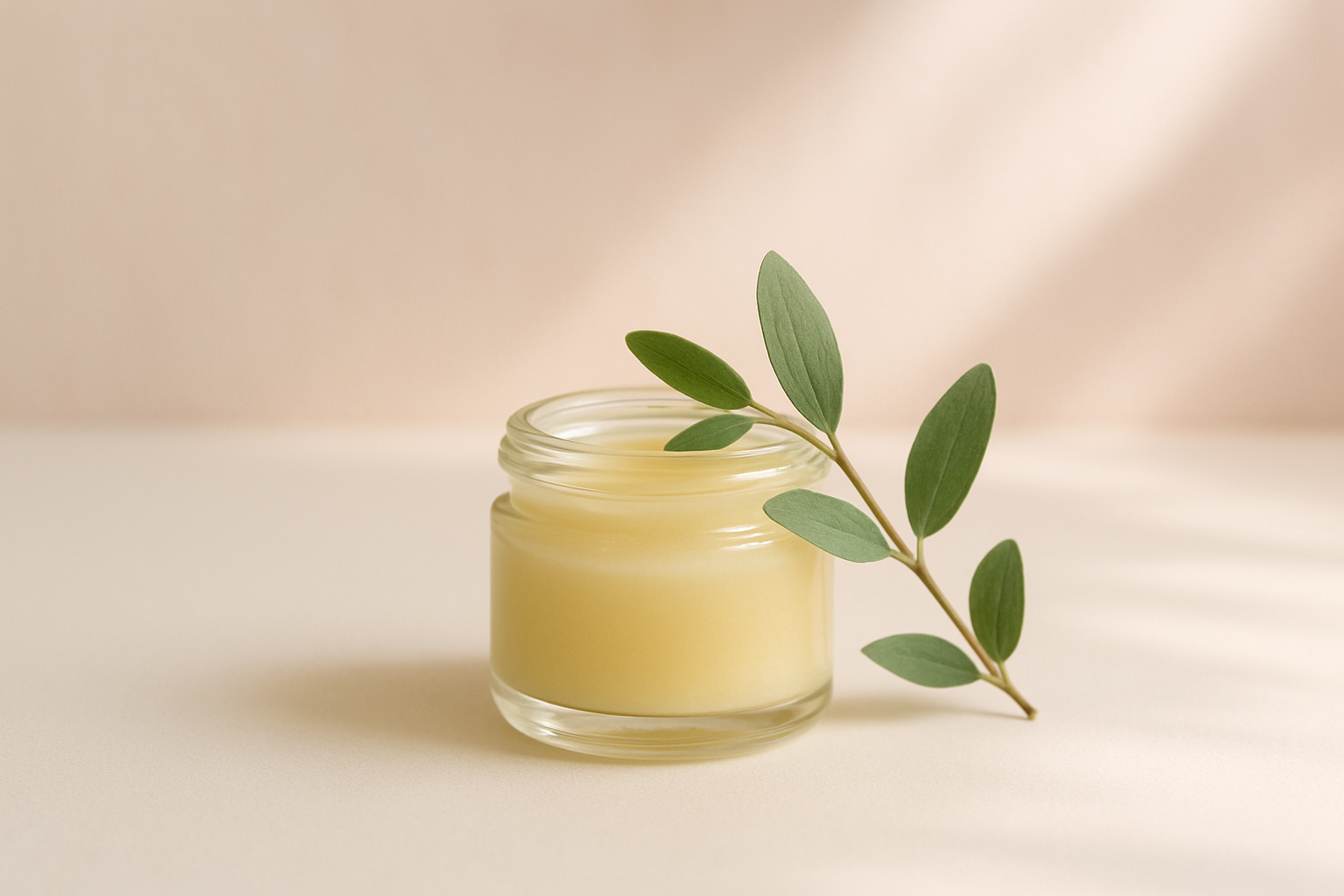
Is beeswax safe for babies? Yes, it’s generally non-toxic on skin. Here’s the honest safety picture plus vegan, plant-based swaps.
If you’ve been reading labels on balms and diaper creams and wondering, is beeswax safe for babies, here’s the honest, no-scare answer: yes, beeswax is generally considered safe and non-toxic on a baby’s skin. It’s a simple, natural ingredient that has been used for generations as a gentle barrier and balm base, and most little ones tolerate it beautifully. That’s the short version, and it’s a reassuring one.
Now for the honest caveats, because that’s what you come here for. Beeswax is animal-derived — it comes from bees — so it is not vegan. There’s also a rare chance of allergy or sensitivity, and like any occlusive balm it should never be layered onto broken, weepy, or infected skin without a pediatrician’s guidance. And if you’d simply rather skip animal ingredients, wonderful plant-based alternatives like candelilla wax, carnauba wax, and shea butter do the same job just as well. So the answer isn’t “avoid it” — it’s “here’s what it is, and here’s a swap if you want one.”
What Beeswax Actually Is (and Where You’ll See It)
Beeswax is the natural wax that honeybees produce to build their honeycomb. In skincare it’s prized for one main reason: it forms a soft, breathable barrier that helps seal in moisture and shield delicate skin from wetness and rubbing. It melts smoothly, plays well with oils and butters, and gives balms that classic firm-but-glidey texture. That’s why formulators have reached for it for decades.
On baby products specifically, you’ll spot beeswax (often listed as Cera Alba or Beeswax) in a handful of familiar places:
- Diaper balms and barrier creams — where its water-repelling quality helps protect against wetness.
- Lip, cheek, and weather balms — the little stick or tin you dab on wind-chapped cheeks in winter.
- Wood-toy and teether finishes — a food-safe beeswax-and-oil rub is a traditional way to seal natural wooden toys.
- Reusable food wraps — beeswax-coated cotton used to cover snacks and bowls in place of plastic wrap.
None of those uses are inherently alarming. Beeswax earns its place because it’s effective and low-drama — it’s the animal-sourcing question, not a toxicity question, that gives most families pause.
The Safety Picture: What the Evidence Suggests
Let’s look at this calmly and in plain terms.
Topically, beeswax is considered low-risk. It sits on the surface of the skin rather than being absorbed in any meaningful way, and it doesn’t carry the fragrance, preservative, or additive concerns that push a lot of parents toward cleaner labels in the first place. On its own, plain beeswax is about as gentle as barrier ingredients get. If you want the bigger picture on why we steer families away from certain add-ins, our guide on whether fragrance in baby products is safe walks through the ingredients we watch most closely — and beeswax isn’t on that worry list.
Allergy is possible but uncommon. A small number of people are sensitive to beeswax or to propolis (a related bee-derived compound that can hitch along in less-refined waxes). If it’s your baby’s first time with a beeswax product, the sensible move is the one we’d suggest for any new balm: patch-test a small dab on the inner arm, wait a day, and watch for redness or irritation before using it more broadly. If skin looks angry, stop and check with your pediatrician.
Keep balms off broken skin unless you’re advised otherwise. An occlusive barrier is great over intact, slightly-dry skin, but sealing a cut, weeping rash, or possible infection can trap moisture where you don’t want it. When skin is truly compromised, let your pediatrician steer the plan. For everyday prevention and gentle care, our diaper rash treatment and prevention guide covers how to think about barriers, airflow, and when to call the doctor.
Beeswax Is Not Honey — Clearing Up the Botulism Worry
This is the mix-up I most want to untangle for you, because it causes real anxiety. You’ve almost certainly heard the firm rule that babies under one year should not eat honey — that’s because honey can contain spores linked to infant botulism, and a baby’s young digestive system can’t handle them. That warning is completely valid, and it’s about eating honey.
Beeswax is a different substance. It’s the structural wax of the hive, not the sweet food, and the infant-honey caution does not automatically transfer to a beeswax balm used on the skin. Topical beeswax in a cheek balm or diaper cream is not the same as spoon-feeding honey. That said, common sense still applies: balms are made to be rubbed on, not eaten, so keep sticks and tins out of reach and wipe hands before mealtime like you would with any product. The takeaway — don’t let the honey rule scare you off a topical beeswax product, but do keep the honey-eating rule firmly in place until after the first birthday.
Vegan, Plant-Based Alternatives to Beeswax
Here’s where I’ll be straight with you about who we are: 1 Stop Baby is a vegan store. We don’t stock beeswax products, not because beeswax is toxic, but because it’s an animal ingredient and our whole promise is plant-based and cruelty-free. The good news for our families is that you genuinely don’t sacrifice performance to skip it. A few plant-derived workhorses do the exact same barrier-and-balm job:
- Candelilla wax — from the candelilla shrub, this is the closest plant match to beeswax. It’s actually a bit harder than beeswax, so formulators use a little less to get the same firm, protective feel. It’s the go-to swap in vegan balms and sticks.
- Carnauba wax — harvested from the leaves of the carnauba palm, this is one of the hardest natural waxes around. It adds structure and a smooth glide, and it’s common in vegan lip and body balms.
- Shea butter and cocoa butter — not waxes but rich plant butters that bring softness, cushion, and a natural moisture seal. They’re the heart of many gentle, plant-based baby balms and often team up with candelilla or carnauba for the right texture.
If clean, plant-based skincare is your priority across the board, our roundup of the best organic baby skincare is a lovely next stop, and you can browse everything that passed our standards in the vegan and cruelty-free collection. Everything there is chosen with the same plant-first, non-toxic lens.
So, circling back one last time to the question you came in with — is beeswax safe for babies? Generally, yes, on the skin. It’s the not-vegan part, not a safety scare, that leads us to plant-based swaps. Below are the vegan, beeswax-free skincare picks that passed our screen.
Vegan, Beeswax-Free Skincare Picks
| Product | Best For | Price | |
|---|---|---|---|
| Coppertone WaterBabies Baby Sunscreen Lotion SPF 50, 8 | Best Overall | $8.88 | View |
| Noodle & Boo Super Soft Moisturizing Lotion | Best Value | $20.00 | View |
| Palmer's Cocoa Butter Formula Massage Lotion for Stretch | Editor's Pick | $9.29 | View |
| NIVEA Soothing Baby Lotion | Great Choice | $6.41 | View |
| Babo Botanicals Sensitive Baby Mineral Sunscreen Lotion SPF | Great Choice | $19.00 | View |
| Eucerin Baby Body Lotion, Hypoallergenic, 13.5 Fl Oz | Great Choice | $11.79 | View |
BEST OVERALL 
Coppertone WaterBabies Baby Sunscreen Lotion SPF 50, 8 Fl Oz
$8.88
- Broad Spectrum Protection: Shields your baby's delicate skin from up to 98% of UVA and UVB rays, keeping them safe during outdoor adventures.
- Water Resistant: Lasts through water play, remaining effective for up to 80 minutes, so your little swimmer can splash around freely.
- Hypoallergenic Formula: Designed with your baby's sensitive skin in mind, this sunscreen is hypoallergenic, minimizing the risk of irritation.
- Pediatrician Recommended: Trust in a product that comes from the #1 pediatrician-recommended sunscreen brand, ensuring a reliable choice for sun protection.
- Easy Application: The smooth lotion formula glides on easily, making it a breeze to apply and reapply when needed.
BEST VALUE 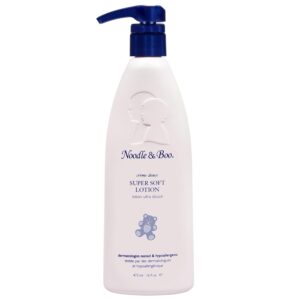
Noodle & Boo Super Soft Moisturizing Lotion
$20.00
- Delivers rich hydration, ensuring your baby's skin remains supple and moisturized throughout the day.
- Crafted from non-toxic, organic ingredients for safe, worry-free application.
- Features a light, soothing scent that adds a calming ritual to your baby's skincare routine.
- Perfect for daily use, making it a staple in your baby care arsenal.
- Absorbs quickly without leaving a greasy residue, ideal for busy parents.
EDITOR'S PICK 
Palmer's Cocoa Butter Formula Massage Lotion for Stretch Marks, 8.5 oz
$9.29
- Deeply moisturizing formula for long-lasting hydration, keeping your skin supple for up to 48 hours.
- Combines the goodness of Cocoa Butter, Shea Butter, and Argan Oil to enhance skin elasticity during and after pregnancy.
- Hypoallergenic and non-greasy, making it perfect for daily use without leaving a heavy residue.
- Infused with Collagen and Elastin, which work together to promote smoother, more resilient skin.
- Trusted brand with over 180 years of experience crafting effective beauty products using high-quality ingredients.

NIVEA Soothing Baby Lotion
$6.41
- Non-greasy formula: Absorbs quickly without leaving a sticky residue, making it easy to apply during diaper changes or after bath time.
- Hydrating ingredients: Formulated to provide long-lasting moisture, helping to combat dryness and maintain skin's natural softness.
- Dermatologically tested: Safe for sensitive skin, giving parents peace of mind when applying to their baby.
- Soothing properties: Infused with skin-loving ingredients that help calm irritation and redness, perfect for post-bath pampering.
- Gentle scent: Offers a light, fresh fragrance that is not overpowering, keeping your baby smelling delightful.

Babo Botanicals Sensitive Baby Mineral Sunscreen Lotion SPF 50
$19.00
- Water-Resistant Protection: Provides up to 80 minutes of coverage against water and sweat, perfect for beach days or splashes in the pool.
- Fragrance-Free Formula: Ideal for babies with sensitive skin, minimizing the risk of irritation caused by added scents.
- Mineral-Based Safety: Contains zinc to naturally shield against UVA and UVB rays, without the use of oxybenzone or octinoxate.
- Dermatologist Tested: Clinically evaluated to reduce the risk of allergic reactions, making it a safe choice for the most sensitive skin.
- B Corp Certified: Manufactured in the USA with a commitment to environmental sustainability and social responsibility.

Eucerin Baby Body Lotion, Hypoallergenic, 13.5 Fl Oz
$11.79
- Daily Moisturization: The lotion is perfect for everyday use, helping to maintain your baby’s skin hydration and softness.
- Gentle Formulation: Enriched with Pro-Vitamin B5 and natural Shea Butter, it provides nurturing care without the worry of irritants.
- Hypoallergenic: Designed specifically for sensitive skin, this lotion minimizes the risk of allergic reactions.
- Convenient Pump Design: The easy-to-use pump bottle allows for quick dispensing, making application a breeze during busy diaper changes.
- Trusted Brand: Eucerin is recommended by dermatologists and pediatricians, ensuring you choose a brand that prioritizes your baby’s skin health.
As an Amazon Associate we earn from qualifying purchases. We only recommend products we'd use ourselves — we're never paid for placement.
Frequently Asked Questions
Is beeswax the same as honey (and the botulism risk)?
No. Beeswax is the wax bees build the honeycomb from; honey is the sweet food they store in it. The infant-botulism warning applies to eating honey before age one, not to a beeswax balm used on the skin. Keep the no-honey-eating rule until after the first birthday, but you don’t need to fear a topical beeswax product for that reason. As always, balms are for skin, not for snacking, so keep them out of reach.
Is beeswax vegan?
No, beeswax is not vegan. It’s produced by honeybees, which makes it an animal-derived ingredient. That’s exactly why you won’t find it in our shop — not because it’s harmful, but because we’re a plant-based, cruelty-free store. If avoiding animal ingredients matters to your family, reach for balms built on candelilla wax, carnauba wax, or plant butters instead.
What is a good plant-based alternative to a beeswax balm?
Candelilla wax is the closest one-to-one swap — it gives the same firm, protective barrier with a plant source. Carnauba wax adds structure and glide, and shea or cocoa butter bring extra softness and moisture. Many vegan baby balms blend a wax with a butter to hit that just-right texture, so you get the beeswax feel with none of the animal sourcing.
Should I do a patch test before using a new balm on my baby?
Yes, that’s always a smart habit with any new product, beeswax-based or plant-based. Dab a small amount on the inner arm, wait about 24 hours, and check for any redness or irritation before using it more widely. If your baby has sensitive or reactive skin, or you notice any reaction, pause and check in with your pediatrician.
A quick note from Angela
I know how it feels to stand in the aisle squinting at an ingredient list, wanting a clear yes or no. On beeswax, the honest answer is gentle: it’s a safe, natural skin ingredient, and the only real question for our families is the vegan one — which plant-based waxes and butters answer beautifully. My job here isn’t to scare you off ingredients; it’s to give you the real picture so you can choose with confidence. Whatever you pick, patch-test, trust your instincts, and lean on your pediatrician for anything on broken or troubled skin. You’re doing a wonderful job.
This article is for general educational purposes and isn’t a substitute for medical advice. For any concern about your baby’s skin, allergies, or health, please talk with your pediatrician or a qualified healthcare provider.