- Angela’s Picks
- Shop by Age
- Shop by Category
- Shop by Values
- Montessori Toys
- Sensory Toys
- Teething Toys
- Wooden Toys
- Educational Toys
- Stacking & Sorting Toys
- Baby Bottles
- Sippy Cups
- Plates & Bowls
- Bibs
- Baby Utensils
- Deals
- High Chairs
- Breastfeeding & Nursing
- Snack Containers
- Crib Mattresses
- Bassinets
- Sleep Sacks & Swaddles
- Baby Blankets
- Baby Monitors
- Cribs & Nursery Furniture
- Baby Shampoo & Wash
- Baby Lotion & Oil
- Baby Sunscreen
- Bath Tubs & Seats
- Towels & Washcloths
- Diaper Cream & Balm
- Eco-Friendly Diapers
- Baby Wipes
- Potty Training
- Changing Pads
- Cloth Diapers
- Baby Thermometers
- Baby Proofing
- Baby Gates
- Humidifiers
- First Aid & Grooming
- Onesies & Bodysuits
- Sleepers & Pajamas
- Hats & Mittens
- Nursing Pads
- Breast Pumps & Accessories
- Postpartum Care
Best Organic Baby Skincare Products: A Minimalist Guide

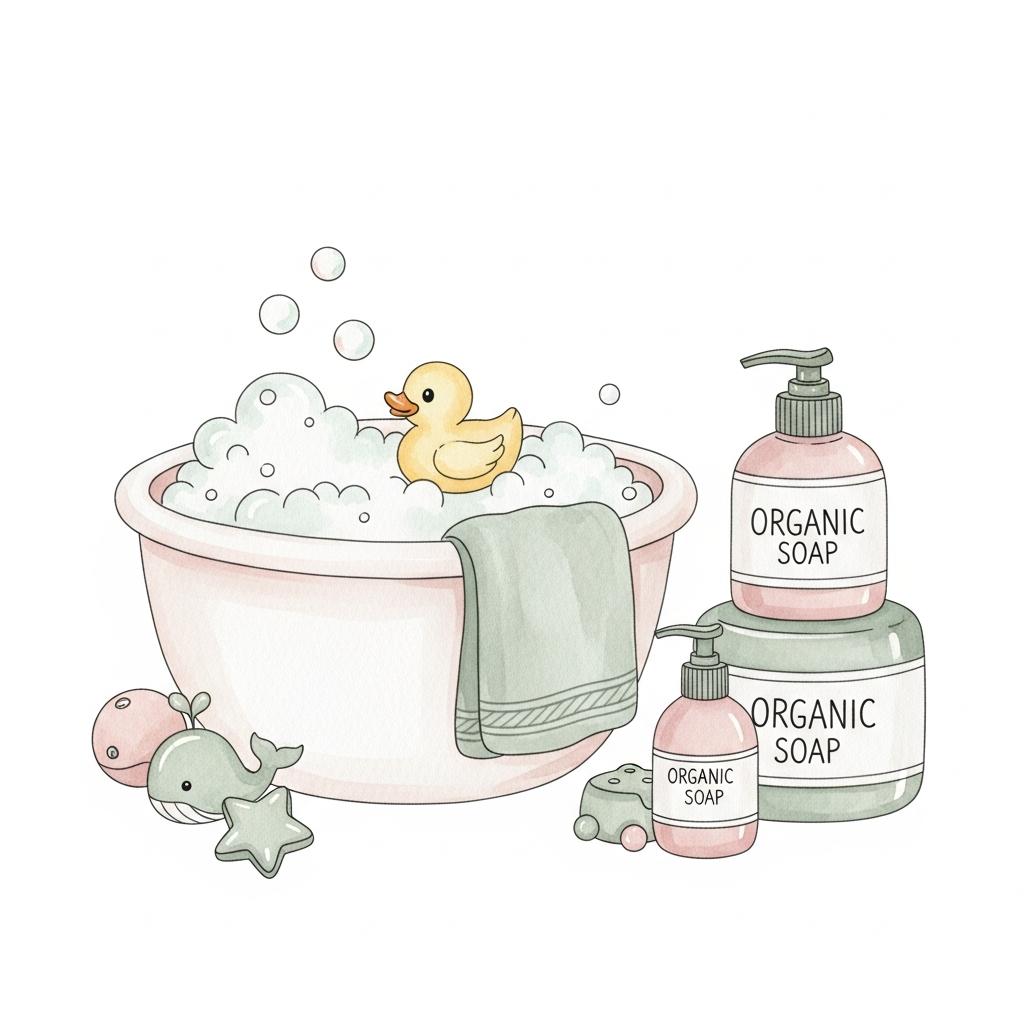
Quick Answer
Find the safest organic baby skincare products. Ingredients to avoid, what to look for, and a minimalist approach to baby skin health.
Baby skin is up to 30% thinner than adult skin and absorbs ingredients at a significantly higher rate. This makes what you put on your baby matter even more than what you put on yourself. The good news is that babies actually need very little skincare, and the simpler you keep it, the better.
The Less-Is-More Approach
Here is what most pediatric dermatologists agree on: newborns and young babies do not need much. A gentle cleanser 2-3 times a week, a simple moisturizer for dry patches, and that is basically it. The billion-dollar baby skincare industry wants you to think you need a 5-step routine. You do not.
Best Organic Baby Skincare Picks
| Product | Best For | Price | |
|---|---|---|---|
| Coppertone WaterBabies Baby Sunscreen Lotion SPF 50, 8 | Best Overall | $8.88 | View |
| Noodle & Boo Super Soft Moisturizing Lotion | Best Value | $20.00 | View |
| Palmer's Cocoa Butter Formula Massage Lotion for Stretch | Editor's Pick | $9.29 | View |
| NIVEA Soothing Baby Lotion | Great Choice | $6.41 | View |
| Babo Botanicals Sensitive Baby Mineral Sunscreen Lotion SPF | Great Choice | $19.00 | View |
| Eucerin Baby Body Lotion, Hypoallergenic, 13.5 Fl Oz | Great Choice | $11.79 | View |
BEST OVERALL 
Coppertone WaterBabies Baby Sunscreen Lotion SPF 50, 8 Fl Oz
$8.88
- Broad Spectrum Protection: Shields your baby's delicate skin from up to 98% of UVA and UVB rays, keeping them safe during outdoor adventures.
- Water Resistant: Lasts through water play, remaining effective for up to 80 minutes, so your little swimmer can splash around freely.
- Hypoallergenic Formula: Designed with your baby's sensitive skin in mind, this sunscreen is hypoallergenic, minimizing the risk of irritation.
- Pediatrician Recommended: Trust in a product that comes from the #1 pediatrician-recommended sunscreen brand, ensuring a reliable choice for sun protection.
- Easy Application: The smooth lotion formula glides on easily, making it a breeze to apply and reapply when needed.
BEST VALUE 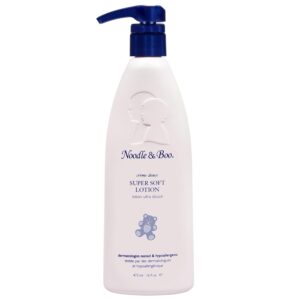
Noodle & Boo Super Soft Moisturizing Lotion
$20.00
- Delivers rich hydration, ensuring your baby's skin remains supple and moisturized throughout the day.
- Crafted from non-toxic, organic ingredients for safe, worry-free application.
- Features a light, soothing scent that adds a calming ritual to your baby's skincare routine.
- Perfect for daily use, making it a staple in your baby care arsenal.
- Absorbs quickly without leaving a greasy residue, ideal for busy parents.
EDITOR'S PICK 
Palmer's Cocoa Butter Formula Massage Lotion for Stretch Marks, 8.5 oz
$9.29
- Deeply moisturizing formula for long-lasting hydration, keeping your skin supple for up to 48 hours.
- Combines the goodness of Cocoa Butter, Shea Butter, and Argan Oil to enhance skin elasticity during and after pregnancy.
- Hypoallergenic and non-greasy, making it perfect for daily use without leaving a heavy residue.
- Infused with Collagen and Elastin, which work together to promote smoother, more resilient skin.
- Trusted brand with over 180 years of experience crafting effective beauty products using high-quality ingredients.

NIVEA Soothing Baby Lotion
$6.41
- Non-greasy formula: Absorbs quickly without leaving a sticky residue, making it easy to apply during diaper changes or after bath time.
- Hydrating ingredients: Formulated to provide long-lasting moisture, helping to combat dryness and maintain skin's natural softness.
- Dermatologically tested: Safe for sensitive skin, giving parents peace of mind when applying to their baby.
- Soothing properties: Infused with skin-loving ingredients that help calm irritation and redness, perfect for post-bath pampering.
- Gentle scent: Offers a light, fresh fragrance that is not overpowering, keeping your baby smelling delightful.

Babo Botanicals Sensitive Baby Mineral Sunscreen Lotion SPF 50
$19.00
- Water-Resistant Protection: Provides up to 80 minutes of coverage against water and sweat, perfect for beach days or splashes in the pool.
- Fragrance-Free Formula: Ideal for babies with sensitive skin, minimizing the risk of irritation caused by added scents.
- Mineral-Based Safety: Contains zinc to naturally shield against UVA and UVB rays, without the use of oxybenzone or octinoxate.
- Dermatologist Tested: Clinically evaluated to reduce the risk of allergic reactions, making it a safe choice for the most sensitive skin.
- B Corp Certified: Manufactured in the USA with a commitment to environmental sustainability and social responsibility.

Eucerin Baby Body Lotion, Hypoallergenic, 13.5 Fl Oz
$11.79
- Daily Moisturization: The lotion is perfect for everyday use, helping to maintain your baby’s skin hydration and softness.
- Gentle Formulation: Enriched with Pro-Vitamin B5 and natural Shea Butter, it provides nurturing care without the worry of irritants.
- Hypoallergenic: Designed specifically for sensitive skin, this lotion minimizes the risk of allergic reactions.
- Convenient Pump Design: The easy-to-use pump bottle allows for quick dispensing, making application a breeze during busy diaper changes.
- Trusted Brand: Eucerin is recommended by dermatologists and pediatricians, ensuring you choose a brand that prioritizes your baby’s skin health.
As an Amazon Associate we earn from qualifying purchases. We only recommend products we'd use ourselves — we're never paid for placement.
Ingredients to Avoid
- Fragrance/Parfum – The number one irritant in baby products. It is an umbrella term that can hide dozens of chemicals. Always choose fragrance-free (not unscented, which may use masking fragrances).
- Parabens – Preservatives that mimic estrogen. Common ones: methylparaben, propylparaben, butylparaben.
- Phthalates – Often hiding in that fragrance we just mentioned. Linked to hormone disruption.
- SLS/SLES – Sulfates that create foam but strip skin. Completely unnecessary for baby cleansers.
- Mineral oil/Petroleum – Creates a barrier on skin but does not actually moisturize. Opt for plant-based oils instead.
Ingredients to Look For
- Organic coconut oil – Natural moisturizer, antimicrobial, great for cradle cap
- Shea butter – Rich, gentle moisturizer for dry skin
- Calendula – Anti-inflammatory, soothing for eczema-prone skin
- Oat extract (colloidal oatmeal) – Proven eczema relief, FDA-recognized skin protectant
- Jojoba oil – Closest to natural skin oils, absorbs beautifully
- Chamomile – Calming and anti-inflammatory
The Essential Baby Skincare Kit
Gentle Cleanser
One bottle of a gentle, plant-based cleanser is all you need for hair and body. Look for USDA Organic or EWG Verified products with 5 or fewer ingredients. If you cannot pronounce an ingredient and it is not a plant name, that is a red flag.
Moisturizer
For everyday moisture, organic coconut oil or a simple shea butter balm works beautifully. For eczema-prone skin, look for a colloidal oatmeal cream or calendula-based moisturizer. Apply right after bath when skin is still damp to lock in moisture.
Diaper Cream
Zinc oxide is the active ingredient that actually works for diaper rash. Choose one with minimal other ingredients. Some parents swear by plain coconut oil as a preventative barrier. For persistent rash, a thick zinc oxide paste is your best friend.
Sunscreen (6+ Months)
For babies under 6 months, sun avoidance is the recommendation. After 6 months, choose a mineral sunscreen with zinc oxide or titanium dioxide as the active ingredient. Chemical sunscreens (oxybenzone, avobenzone) are absorbed into the bloodstream and should be avoided for babies and children.
Certifications Worth Trusting
- USDA Organic – At least 95% organic ingredients
- EWG Verified – Meets Environmental Working Group’s strict health standards
- NSF/ANSI 305 – Organic personal care standard
- COSMOS Organic – European organic certification, very rigorous
Remember: your baby’s skin is amazing at taking care of itself. You are just helping it along. Less is genuinely more, and the simplest products are often the best ones.
Building a Minimalist Non-Toxic Routine
With newborn skin, less truly is more. A clean, simple routine protects the skin barrier far better than a shelf of products:
- Keep it minimal: a gentle wash, a fragrance-free moisturizer, and a diaper barrier cream are all most babies need.
- Bathe just 2–3 times a week in lukewarm water — over-bathing strips natural oils and dries delicate skin.
- Moisturize right after the bath while skin is damp to lock in hydration, especially for dry or eczema-prone skin.
- Go fragrance-free. Added fragrance is the #1 cause of baby skin irritation.
Ingredients to Avoid
Steer clear of synthetic fragrance/“parfum,” parabens, phthalates, formaldehyde-releasing preservatives (DMDM hydantoin, quaternium-15), sulfates (SLS/SLES), and chemical sunscreens like oxybenzone. Look instead for short ingredient lists and certifications like EWG Verified or National Eczema Association acceptance. Shop our non-toxic baby skincare for vetted options.
Frequently Asked Questions
Do babies need lotion?
Not always — many newborns have naturally well-moisturized skin. Use a fragrance-free moisturizer on dry patches, after baths, or in dry climates and winter. For eczema-prone babies, daily moisturizing with a thick, simple cream is one of the best things you can do.
What baby skincare is best for eczema?
Choose thick, fragrance-free creams or ointments accepted by the National Eczema Association, bathe in lukewarm water, moisturize immediately after, and avoid fragrance, dyes, and harsh soaps. If eczema is severe or won’t improve, see your pediatrician — they may recommend a specific regimen.