- Angela’s Picks
- Shop by Age
- Shop by Category
- Shop by Values
- Montessori Toys
- Sensory Toys
- Teething Toys
- Wooden Toys
- Educational Toys
- Stacking & Sorting Toys
- Baby Bottles
- Sippy Cups
- Plates & Bowls
- Bibs
- Baby Utensils
- Deals
- High Chairs
- Breastfeeding & Nursing
- Snack Containers
- Crib Mattresses
- Bassinets
- Sleep Sacks & Swaddles
- Baby Blankets
- Baby Monitors
- Cribs & Nursery Furniture
- Baby Shampoo & Wash
- Baby Lotion & Oil
- Baby Sunscreen
- Bath Tubs & Seats
- Towels & Washcloths
- Diaper Cream & Balm
- Eco-Friendly Diapers
- Baby Wipes
- Potty Training
- Changing Pads
- Cloth Diapers
- Baby Thermometers
- Baby Proofing
- Baby Gates
- Humidifiers
- First Aid & Grooming
- Onesies & Bodysuits
- Sleepers & Pajamas
- Hats & Mittens
- Nursing Pads
- Breast Pumps & Accessories
- Postpartum Care
Chemicals to Avoid in Baby Products: The Complete List

Quick Answer
Expert non-toxic guide: chemicals to avoid in baby products. Vetted picks, what to look for, and safe brands for health-conscious parents.
Chemicals to Avoid in Baby Products: The Complete List
As a health-conscious mom, you want the best for your little one, and that includes choosing baby products that are safe and non-toxic. However, navigating the world of baby products can be daunting, especially with so many chemicals to avoid in baby products. Understanding which substances to steer clear of is crucial for your child’s health and wellbeing.
In this comprehensive guide, we will explore the most common chemicals found in baby products that you should avoid. By being informed and making educated choices, you can create a safe environment for your baby to grow and thrive.
Phthalates
Phthalates are a group of chemicals used to make plastics more flexible and durable. They are commonly found in baby toys, vinyl flooring, and personal care products. Research shows that exposure to phthalates can disrupt hormonal development and has been linked to reproductive issues in both boys and girls (National Institute of Health). It’s essential to look for baby products labeled as phthalate-free to ensure your little one is protected from these harmful chemicals.
Baby Sleep Miracle
Help baby sleep through the night naturally
Get It →BPA (Bisphenol A)
BPA is another chemical you want to avoid in baby products. Found in many plastics, including baby bottles and sippy cups, BPA has been associated with various health concerns, including hormonal disruptions and developmental issues (Environmental Working Group). Many brands are now promoting BPA-free products, but it’s crucial to also consider alternatives made from safer materials such as glass or stainless steel.
Flame Retardants
Flame retardants are chemicals added to materials to prevent them from catching fire. They are often found in furniture, mattresses, and clothing. However, many flame retardants have been linked to serious health concerns, including endocrine disruption and developmental problems in children (EPA). When selecting items like crib mattresses or upholstered furniture, look for products that are GREENGUARD Gold certified, which ensures they meet strict chemical emissions limits.
Formaldehyde
Formaldehyde is a common preservative found in many household products, including some baby shampoos and lotions. It is a known irritant and has been classified as a probable human carcinogen by the EPA. Exposure to formaldehyde can cause respiratory issues, skin irritation, and other health problems (NIH). Always check labels for formaldehyde or its derivatives, and opt for products that are free of this harmful chemical.
Fragrance
The term “fragrance” on a product label can be misleading. It often represents a mixture of various chemicals, some of which can be harmful to your baby’s health. Fragrance can trigger allergies and asthma and may disrupt hormonal balance (EWG). To protect your baby, choose products labeled as fragrance-free or those that use natural essential oils for scent.
Parabens
Parabens are preservatives used in cosmetics and personal care products to prevent the growth of harmful bacteria. However, these chemicals can mimic estrogen in the body, potentially leading to hormone-related health issues (EWG). Look for baby products that are labeled as paraben-free to ensure you are avoiding these synthetic preservatives.
What to Look For
When shopping for baby products, it is essential to be vigilant and informed. Here are some tips on what to look for:
- Check for certifications like GREENGUARD Gold, GOTS (Global Organic Textile Standard), and OEKO-TEX, which indicate that the product meets strict safety and environmental standards.
- Look for products that are EWG Verified, meaning they meet strict health standards and do not contain harmful chemicals.
- Opt for natural and organic products whenever possible, as they are less likely to contain harmful additives.
- Read labels carefully and educate yourself on the various names and derivatives of harmful chemicals.
Clean Swaps We Trust
| Product | Best For | Price | |
|---|---|---|---|
| Mr. Bubble Original Bubble Bath - Hypoallergenic (2 | Best Overall | $8.98 | View |
| ATTITUDE Baby 2-in-1 Shampoo and Body Wash - | Best Value | $12.99 | View |
| Era Organics USDA Organic Baby Powder - 3oz | Editor's Pick | $9.99 | View |
| Organic Nipple Butter for Breastfeeding Mothers | Great Choice | $15.95 | View |
| ATTITUDE Baby 2-in-1 Shampoo & Body Wash, Unscented | Great Choice | $12.99 | View |
| Johnson's Bedtime Baby Bath, 27.1 fl. oz | Great Choice | $9.88 | View |
BEST OVERALL 
Mr. Bubble Original Bubble Bath - Hypoallergenic (2 Bottles, 16 fl oz)
$8.98
- All-Ages Enjoyment: Safe and enjoyable for babies, kids, and adults, making it perfect for family bath time.
- Hypoallergenic Formula: Gentle on sensitive skin, this bubble bath is dermatologically tested to ensure safety.
- Fun Bubblegum Scent: The sweet aroma of bubblegum engages your child’s imagination, turning bath time into a delightful experience.
- Easy to Use: Simply pour 2 ounces into warm running water for an instant bubble extravaganza—no complicated instructions!
- Trusted Brand: With over 60 years of experience, Mr. Bubble is a name parents can rely on for quality and fun.
BEST VALUE 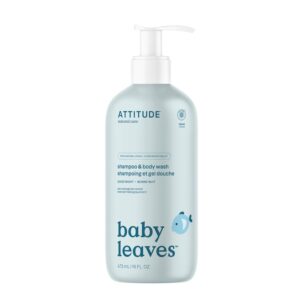
ATTITUDE Baby 2-in-1 Shampoo and Body Wash - Good Night
$12.99
- 2-in-1 Formula: Simplifies bath time by combining shampoo and body wash into one easy-to-use product.
- Calming Scent: Infused with a relaxing fragrance to promote a peaceful transition to sleep.
- Gentle on Skin: Dermatologically tested, ensuring it’s safe for the most sensitive skin.
- Non-Toxic Ingredients: EWG verified, giving parents peace of mind about what touches their child's skin.
- Vegan and Eco-Friendly: Made from plant-based ingredients that are safe for your baby and the planet.
EDITOR'S PICK 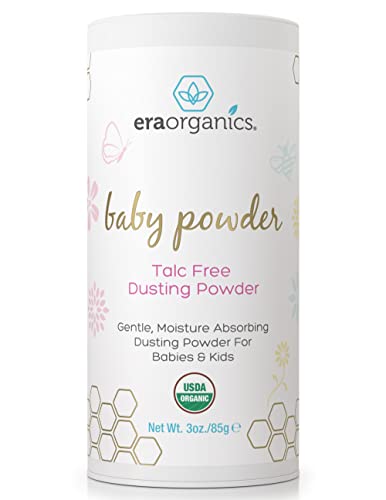
Era Organics USDA Organic Baby Powder - 3oz
$9.99
- Made from organic arrowroot powder and cornstarch, it naturally absorbs moisture while keeping skin soft and dry.
- Talc-free formulation ensures safety, making it ideal for sensitive skin and for use with cloth diapers.
- Infused with gentle calendula and rosemary extracts, it helps soothe and protect irritated or chapped skin.
- Free from fragrances and artificial additives, it’s perfect for parents concerned about toxic ingredients.
- Versatile use: great for diaper rash, chafing, or even as a freshening powder for shoes.

Organic Nipple Butter for Breastfeeding Mothers
$15.95
- Delivers immediate relief to sore, dry, and chapped nipples, allowing for a more comfortable breastfeeding experience.
- Completely safe for baby, eliminating the need to wash off before feeds—your little one won’t even notice it’s there!
- Versatile use as a moisturizer for other dry areas like lips, heels, and cuticles, making it a multitasking essential.
- Unscented and tasteless, catering to sensitive skin while avoiding any potential irritation from fragrances.
- Formulated with clean, plant-based ingredients recommended by healthcare professionals for gentle yet effective skin care.
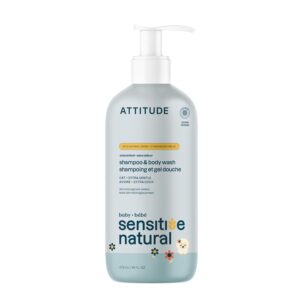
ATTITUDE Baby 2-in-1 Shampoo & Body Wash, Unscented
$12.99
- Dual-purpose formula: Cleanses both hair and body, making bath time simpler.
- Soothing oats: Enriched with oat extract to help alleviate dry skin discomfort.
- Dermatologically tested: Ensures safety and gentleness for your baby's delicate skin.
- Sulfate-free: Avoids harsh ingredients, providing a gentle washing experience.
- No added fragrance: Perfect for sensitive skin, avoiding any potential irritants.

Johnson's Bedtime Baby Bath, 27.1 fl. oz
$9.88
- Features the No More Tears formula, making bath time a worry-free experience for your baby's eyes.
- Infused with NaturalCalm aromas that promote relaxation and help establish a soothing bedtime environment.
- Hypoallergenic and free from parabens, phthalates, sulfates, and dyes, ensuring it's gentle on delicate skin.
- Creates a delightful foaming lather that cleanses while leaving skin feeling soft and smooth.
- Pediatrician and dermatologist-tested, providing peace of mind for health-conscious parents.
As an Amazon Associate we earn from qualifying purchases. We only recommend products we'd use ourselves — we're never paid for placement.
Frequently Asked Questions
1. How can I ensure my baby’s environment is chemical-free?
To create a chemical-free environment for your baby, choose products that are certified organic or have reputable safety certifications. Regularly check labels for harmful chemicals and opt for natural alternatives whenever possible.
2. What are some safe materials for baby products?
Safe materials for baby products include organic cotton, glass, stainless steel, and bamboo. These materials are generally free from harmful chemicals and provide a safer option for your little one.
3. Are there any specific brands that focus on non-toxic baby products?
While I cannot recommend specific brands in this article, many brands focus on non-toxic and organic baby products. Look for those that highlight their commitment to safety and sustainability on their packaging or websites.
4. Why is it important to avoid chemicals in baby products?
Infants and young children are particularly vulnerable to the effects of harmful chemicals due to their developing bodies and immune systems. Exposure to toxic substances can lead to long-term health issues, making it crucial to choose safe, non-toxic products for your baby.
By staying informed about the chemicals to avoid in baby products, you can make better choices for your baby’s health and wellbeing. Remember, a little knowledge goes a long way in creating a safe and nurturing environment for your growing child. Together, we can ensure that our little ones thrive in a healthy, chemical-free world.
Angela's Recommended Resources
Guides and courses I personally recommend:
Most Popular
Baby Sleep Miracle
Proven gentle method to help your baby sleep through the night naturally. No cry-it-out, science-backed.
* Affiliate links. We may earn a commission at no extra cost to you.