- Angela’s Picks
- Shop by Age
- Shop by Category
- Shop by Values
- Montessori Toys
- Sensory Toys
- Teething Toys
- Wooden Toys
- Educational Toys
- Stacking & Sorting Toys
- Baby Bottles
- Sippy Cups
- Plates & Bowls
- Bibs
- Baby Utensils
- Deals
- High Chairs
- Breastfeeding & Nursing
- Snack Containers
- Crib Mattresses
- Bassinets
- Sleep Sacks & Swaddles
- Baby Blankets
- Baby Monitors
- Cribs & Nursery Furniture
- Baby Shampoo & Wash
- Baby Lotion & Oil
- Baby Sunscreen
- Bath Tubs & Seats
- Towels & Washcloths
- Diaper Cream & Balm
- Eco-Friendly Diapers
- Baby Wipes
- Potty Training
- Changing Pads
- Cloth Diapers
- Baby Thermometers
- Baby Proofing
- Baby Gates
- Humidifiers
- First Aid & Grooming
- Onesies & Bodysuits
- Sleepers & Pajamas
- Hats & Mittens
- Nursing Pads
- Breast Pumps & Accessories
- Postpartum Care
Best Non-Toxic Baby Bottles: Glass, Silicone, and Stainless Steel Compared

Quick Answer
Compare the safest baby bottles: glass, silicone, and stainless steel. No BPA, no harmful chemicals. Expert guide for new parents.
If there is one item that symbolizes the non-toxic baby product journey, it is the humble bottle. Plastic bottles dominated for decades until research connected BPA exposure to hormone disruption. Now the market is flooded with alternatives, and honestly? It can be overwhelming.
Good news: choosing a safe baby bottle is actually pretty straightforward once you know what to look for. Let me break it down.
Best Non-Toxic Baby Bottles
| Product | Best For | Price | |
|---|---|---|---|
| RTMOK Bottle Handles for Dr. Brown's Sippy Cups, | Best Overall | $6.99 | View |
| Dr. Brown's Options+ Bottle to Sippy Baby Bottle | Best Value | $7.98 | View |
| Dr. Brown's Natural Flow Anti-Colic Options, Wide-Neck Baby | Editor's Pick | $12.79 | View |
| Nuby Non-Drip Standard Neck Bottles, 10 Ounce | Great Choice | $9.99 | View |
| Parent Silicone Bottles | Great Choice | $18.99 | View |
| Momcozy Natural Baby Bottle, 10oz Wide-Neck, 4PCS | Great Choice | $29.99 | View |
BEST OVERALL 
RTMOK Bottle Handles for Dr. Brown's Sippy Cups, 4m+
$6.99
- Independence Boost: The ergonomic design of these handles encourages self-feeding, allowing your baby to master the art of drinking on their own.
- Colorful Choices: Comes in bright yellow, blue, and green, these handles not only look fun but also engage your baby’s senses.
- Universal Fit: Designed to accommodate most baby bottles with a diameter of 2¼ inches, making them versatile for your growing collection of feeding gear.
- Easy to Clean: Simply pop them in the dishwasher or wash by hand, ensuring your baby’s feeding accessories are always hygienic.
- Safe Materials: Made from BPA, BPS, PVC, phthalate, and lead-free silicone, these handles prioritize your baby’s health.
BEST VALUE 
Dr. Brown's Options+ Bottle to Sippy Baby Bottle Start Kit
$7.98
- Simple Transition: The soft silicone sippy spout replaces the nipple, making the switch from bottle to sippy cup easy and comfortable for your baby.
- Anti-Colic Design: The internal vent system minimizes colic symptoms, helping to reduce spit-up, burping, and gas for a more enjoyable feeding experience.
- Travel-Friendly: The snap-on cap keeps the nipple or spout clean and protected when you’re on the go, ensuring mess-free outings.
- Eco-Conscious Choice: This bottle is designed to be recyclable and comes from a brand committed to reducing plastic waste through its collaboration with Plastic Bank.
- Easy to Clean: All parts are dishwasher-safe for easy cleaning, giving you more time to focus on your little one.
EDITOR'S PICK 
Dr. Brown's Natural Flow Anti-Colic Options, Wide-Neck Baby Bottle
$12.79
- Clinically Proven Relief: The anti-colic vent system effectively decreases spit-up, burping, and gas, making mealtime more enjoyable for your baby.
- Natural Feeding Experience: Designed to mimic breastfeeding, the silicone nipple allows for a vacuum-free feeding that promotes a consistent flow, enabling babies to feed at their own pace.
- Nutrient Preservation: The unique design helps maintain essential nutrients in milk, supporting healthy digestion and potentially leading to better sleep patterns.
- Encourages Natural Latch: The breast-like shape of the nipple promotes a correct latch, easing the transition from breast to bottle and back again.
- Convenient and Safe: Easy to clean and dishwasher safe, these bottles fit seamlessly into busy parenting routines.

Nuby Non-Drip Standard Neck Bottles, 10 Ounce
$9.99
- Features a Vari-Flo Valve, allowing your baby to control the flow of liquid, promoting independence during feeding.
- The Non-Drip nipple includes teething nubs that gently massage and stimulate your baby’s gums, making it perfect for those teething days.
- Equipped with an Anti-Colic Air System to reduce air ingestion, helping to minimize gas and fussiness after feeding.
- Constructed from BPA-free materials, ensuring the safety of your baby with every sip.
- Standard neck design that fits most breast pumps and fits seamlessly into your daily routine.
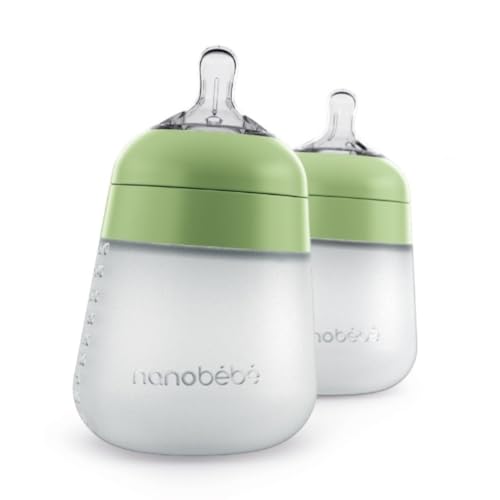
Parent Silicone Bottles
$18.99
- Soft and familiar feel that mimics breastfeeding, easing the transition for babies.
- Innovative 360° triple-vented nipple design minimizes colic and gas, promoting a more comfortable feeding experience.
- Stable base prevents tipping, making mealtime less messy and more enjoyable.
- Easy-to-read volume scale helps gauge how much your baby is consuming.
- Holds up to 9oz and features quick snap handles (sold separately) that encourage your baby’s fine motor skills.

Momcozy Natural Baby Bottle, 10oz Wide-Neck, 4PCS
$29.99
- All-in-One Functionality: The wide-mouth design easily connects with most breast pumps, allowing for effortless expression, storage, and feeding.
- Generous Capacity: With an 11oz capacity, these bottles reduce the frequency of refills, providing a smoother feeding experience for both you and your baby.
- Durable & Baby-Friendly: Made from BPA-free, food-grade plastic, this bottle is shatter-resistant and designed to withstand the tumbles of toddler life.
- Leak-Proof Design: The innovative lid prevents leaks, so you can safely tuck the bottle into your diaper bag without worry.
- Quick to Clean: Designed for busy parents, it’s dishwasher safe and compatible with the Momcozy Bottle Washer for a thorough clean.
As an Amazon Associate we earn from qualifying purchases. We only recommend products we'd use ourselves — we're never paid for placement.
Glass Bottles: The Gold Standard
Glass is the cleanest material for feeding. Zero leaching, no chemical migration even with hot liquids, and they last forever. The main concern is breakage, but most glass baby bottles now come with silicone sleeves that make them practically shatterproof. They are heavier than plastic, so they are better for home use and younger babies who are not holding their own bottle yet.
Silicone Bottles: The Modern Alternative
Medical-grade silicone is naturally free from BPA, BPS, PVC, and phthalates. Silicone bottles are lightweight, flexible, and virtually unbreakable, making them great for on-the-go. They are softer than glass, which some babies prefer. Just make sure you are getting 100% food-grade silicone, not silicone-coated plastic.
Stainless Steel Bottles
The most durable option. Stainless steel does not leach chemicals, is easy to clean, and keeps liquids at temperature. The downside is that you cannot see the milk level, and they are pricier. Some parents use these for water and juice once baby is older.
What About BPA-Free Plastic?
After BPA was phased out, manufacturers switched to BPS and other bisphenol alternatives. Research now suggests these replacements may not be much better. If you prefer plastic for its lightweight convenience, look for bottles made from polypropylene (PP, recycling code 5), which is considered the safest plastic for food contact. Never microwave plastic bottles or wash them with abrasive cleaners.
The Nipple Matters Too
Most bottle nipples are silicone (great) or latex (natural rubber, also good but may cause allergies). Silicone is firmer and more durable; latex is softer and more breast-like. Neither contains BPA. Replace nipples every 2-3 months or when they show signs of wear.
Quick Buying Checklist
- Material: Glass, silicone, or stainless steel preferred
- BPA-free, BPS-free, phthalate-free (check labels)
- Anti-colic design to reduce air intake
- Easy to disassemble and clean (fewer parts = better)
- Size appropriate for age (smaller for newborns)
- Compatible with your breast pump (if applicable)
The perfect bottle is the one your baby will actually take. Start with one or two from different brands before buying a full set. Babies are notoriously picky about nipple shape and flow rate, and no amount of non-toxic certification can override a stubborn baby.
What to Look For in a Safe Baby Bottle
The bottle touches your baby’s mouth and holds warm milk many times a day, so material safety really matters:
- Material first. Glass is the gold standard (zero leaching, easy to sterilize). Food-grade silicone is a lightweight, shatter-resistant alternative. Stainless steel is durable and toxin-free. Skip polycarbonate plastic.
- Truly BPA/BPS-free. Avoid older plastics; even “BPA-free” plastics can leach other bisphenols when heated, which is why glass and silicone are safer bets.
- Anti-colic design. A venting system reduces swallowed air, gas, and reflux.
- Right nipple flow. Slow-flow for newborns; size up only as baby grows. A breast-like wide nipple helps with latch.
- Easy to clean — fewer parts means fewer places for mold to hide.
Frequently Asked Questions
Are glass or silicone baby bottles better?
Both are excellent non-toxic choices. Glass leaches nothing and sterilizes easily but is heavier and breakable; silicone is lightweight, shatter-resistant, and travel-friendly. Many parents use glass at home and silicone on the go.
How many baby bottles do I need?
For exclusive bottle-feeding, plan on about 6–8 bottles so you’re not washing constantly; 3–4 is plenty if you’re mostly breastfeeding. Replace silicone nipples every few months and any bottle that’s cracked, cloudy, or worn.
Angela's Recommended Resources
Guides and courses I personally recommend:
Most Popular
Baby Sleep Miracle
Proven gentle method to help your baby sleep through the night naturally. No cry-it-out, science-backed.
* Affiliate links. We may earn a commission at no extra cost to you.