- Angela’s Picks
- Shop by Age
- Shop by Category
- Shop by Values
- Montessori Toys
- Sensory Toys
- Teething Toys
- Wooden Toys
- Educational Toys
- Stacking & Sorting Toys
- Baby Bottles
- Sippy Cups
- Plates & Bowls
- Bibs
- Baby Utensils
- Deals
- High Chairs
- Breastfeeding & Nursing
- Snack Containers
- Crib Mattresses
- Bassinets
- Sleep Sacks & Swaddles
- Baby Blankets
- Baby Monitors
- Cribs & Nursery Furniture
- Baby Shampoo & Wash
- Baby Lotion & Oil
- Baby Sunscreen
- Bath Tubs & Seats
- Towels & Washcloths
- Diaper Cream & Balm
- Eco-Friendly Diapers
- Baby Wipes
- Potty Training
- Changing Pads
- Cloth Diapers
- Baby Thermometers
- Baby Proofing
- Baby Gates
- Humidifiers
- First Aid & Grooming
- Onesies & Bodysuits
- Sleepers & Pajamas
- Hats & Mittens
- Nursing Pads
- Breast Pumps & Accessories
- Postpartum Care
Non-Toxic Baby Wash: How to Choose the Best (and What to Skip)

Quick Answer
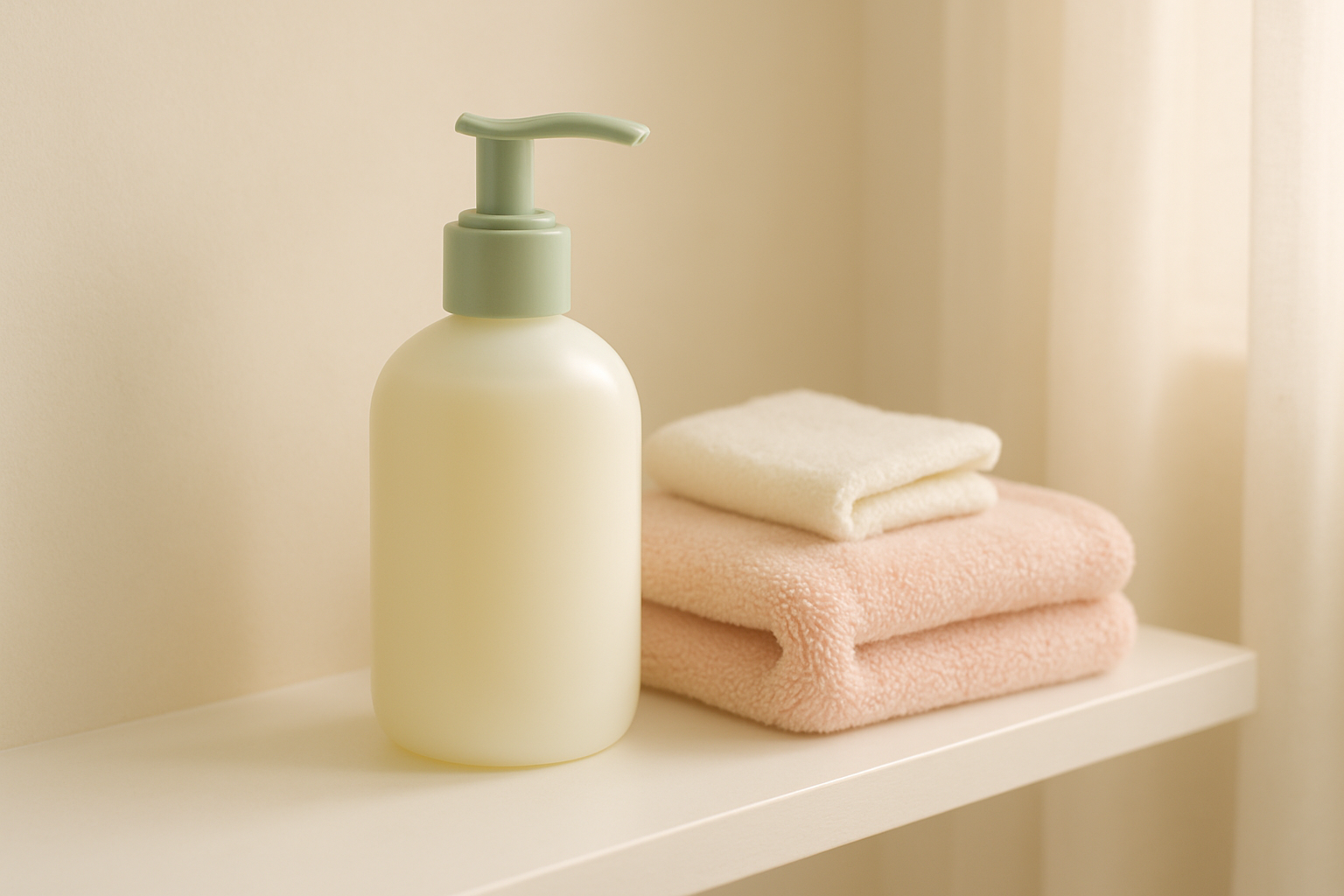
A non-toxic baby wash is fragrance-free, sulfate-free, and short on ingredients. Here’s how to pick the best baby wash for newborns and sensitive skin.
If you’re standing in the baby aisle squinting at labels, here’s the short answer: the best non toxic baby wash is fragrance-free (or scented only with real essential oils), sulfate-free, and made with a short list of ingredients you can actually pronounce. A gentle, tear-free 2-in-1 wash and shampoo is perfectly fine for a newborn’s soft skin and wispy hair. What you want to skip is any product listing “fragrance” or “parfum,” harsh sulfates like SLS or SLES, and formaldehyde-releasing preservatives such as DMDM hydantoin.
I spend my days reading baby-product labels so you don’t have to, and I’ll be honest with you, mama: the word “natural” on the front of a bottle means almost nothing. It’s the back of the bottle that tells the truth. The best baby wash keeps things simple, respects your little one’s delicate skin barrier, and doesn’t hide questionable chemicals behind vague marketing. Below, I’ll walk you through exactly what to look for, what to avoid, and how to bathe a newborn without overdoing it.
What to Look For in a Non-Toxic Baby Wash
A truly gentle baby wash isn’t about a longer ingredient list or a prettier label. It’s about restraint. Here are the green flags I look for on every bottle before it earns a spot on our shelves:
Baby Sleep Miracle
Help baby sleep through the night naturally
Get It →- Fragrance-free or truly naturally scented. Either no added scent at all, or a light scent from real essential oils that are actually named on the label (like lavender or chamomile), not a mystery “fragrance” blend.
- Sulfate-free. Look for gentle plant-derived cleansers instead of SLS or SLES, which can strip and irritate thin baby skin.
- pH-appropriate. Baby skin sits at a slightly acidic pH, and a wash formulated to match it helps protect that fragile skin barrier.
- Third-party validation. Marks from the EWG (Environmental Working Group) or the National Eczema Association tell you someone independent has vetted the formula.
- A short, recognizable ingredient list. Fewer ingredients means fewer chances for irritation. If you can read most of them out loud, that’s a good sign.
- A pump bottle. Never underestimate this at 3 a.m. A one-handed pump while you’re cradling a slippery, wiggly baby is a small mercy you’ll be grateful for.
Ingredients to Avoid (and Why)
You don’t need a chemistry degree to shop smart, mama. You just need to recognize a handful of repeat offenders. Here’s what I steer families away from and the plain-language reason for each:
- “Fragrance” or “parfum.” This single word can legally hide dozens of undisclosed ingredients, and it’s one of the most common triggers for skin irritation and allergic reactions. If a scent isn’t named, you don’t know what’s in it.
- SLS and SLES (sulfates). These create that big foamy lather, but they can also strip away the natural oils that keep baby skin soft and protected, leaving it dry and reactive.
- Parabens. Preservatives (often ending in “-paraben”) that many parents choose to avoid because of questions about how they interact with the body’s hormones.
- Formaldehyde releasers. Preservatives like DMDM hydantoin slowly release small amounts of formaldehyde, a known skin irritant and sensitizer, over the life of the product.
- Phthalates. Often tucked inside that vague “fragrance” label, these are another ingredient a lot of families prefer to leave out of their baby’s routine.
I always tell parents: you don’t have to be perfect or panicked. You just have to know what you’re looking at. Flip the bottle, scan for these names, and put it back if you see them. If you want to go deeper on why that little word matters so much, I break it down in this guide on whether fragrance in baby products is safe.
Wash vs. Shampoo vs. 2-in-1: What Does a Newborn Actually Need?
Here’s where a lot of new parents overthink it, and I get it. The market wants you to buy three separate bottles. The truth is that newborns really don’t need much. A gentle 2-in-1 wash-and-shampoo is completely fine for those early months, when there’s barely any hair to speak of and the same mild cleanser can handle head to toe.
As your baby grows more hair and becomes a busy, sticky toddler, some families like to graduate to a dedicated shampoo that’s formulated to be extra tear-free around the eyes. There’s no rush, though. If you’d like help choosing one for later, I put together a companion guide to the best organic non-toxic baby shampoo that pairs perfectly with any of the washes here.
One thing that surprises a lot of first-time parents: newborns don’t need a bath every day. Two to three baths a week is plenty. Their skin is still building up its protective barrier, and daily washing (especially with anything harsh) can dry it out faster than you’d think. In between baths, a warm washcloth for the face, neck folds, and diaper area does the job beautifully.
If your little one has eczema or reactive skin, this matters even more. Shorter, cooler baths, a fragrance-free wash with a short ingredient list, and moisturizing right after patting dry can make a real difference. Eczema-prone skin loses moisture quickly, so the goal is to clean gently without stripping. I walk through the full picture in my article on baby eczema causes, triggers, and treatment, which is worth a read if bath time has become a source of stress.
How I Screen Every Wash on This List
My job as a product researcher is to be the skeptical friend who reads the fine print. Before any wash makes it onto our shelves, I check it against the criteria above, cross-reference ingredient concerns with resources like the EWG and NIH, and make sure it fits our vegan, non-toxic standard. I don’t certify anything, and I won’t pretend to. What I do is vet, compare, and hand you the honest shortlist so you can skip the label-reading marathon and get back to your baby. You can always browse the full bath and skincare collection if you’d like to see everything in one place.
Below are the non-toxic baby washes that passed our screen.
Non-Toxic Baby Washes That Passed Our Screen
| Product | Best For | Price | |
|---|---|---|---|
| Baby Bath Toys 5 PCS for Kids Ages | Best Overall | $9.99 | View |
| 4-Pack Silicone Pacifier Clips for Baby Boys and | Best Value | $8.99 | View |
| Munchkin® Fishin'™ Magnetic Baby and Toddler Bath Toy, | Editor's Pick | $6.90 | View |
| Frida Baby Medicine Dispenser | Great Choice | $11.48 | View |
| Comfy Cubs Muslin Baby Washcloths - Soft & | Great Choice | $19.99 | View |
| MAM Air Baby Pacifier, for Sensitive Skin | Great Choice | $8.57 | View |
BEST OVERALL 
Baby Bath Toys 5 PCS for Kids Ages 1-3
$9.99
- Bright and engaging colors draw your child's attention, making bath time fun and enjoyable.
- Durable materials withstand rough play, so you don’t have to worry about wear and tear.
- Encourages early learning through color recognition and stacking, all while having a blast.
- Designed for little hands, making them easy to grip without the risk of slipping.
- Versatile enough for use in the bathtub, pool, or even at the beach, promoting imaginative play.
BEST VALUE 
4-Pack Silicone Pacifier Clips for Baby Boys and Girls
$8.99
- Eliminates lost pacifiers by securely attaching them to your baby’s clothing.
- One-piece design reduces choking hazards, offering an extra layer of safety.
- Made from 100% food-grade silicone, ensuring it's safe for your baby to chew on.
- Versatile design fits pacifiers of various types, accommodating newborns to toddlers.
- Compact and lightweight, perfect for on-the-go parents who need convenience.
EDITOR'S PICK 
Munchkin® Fishin'™ Magnetic Baby and Toddler Bath Toy, 4pc Set
$6.90
- Engaging Play: The floating magnetic characters provide endless entertainment, making bath time a joyful experience.
- Skill Development: The act of fishing for the characters enhances hand-eye coordination and fine motor skills.
- Safe for Little Hands: With air-tight designs, these bobbers are safe for curious toddlers who love to explore.
- Perfect for All Toddlers: Suitable for both boys and girls, this toy encourages imaginative play and storytelling.
- A Thoughtful Gift: This toy set makes an excellent gift for baby showers or birthdays, ensuring hours of playful learning.

Frida Baby Medicine Dispenser
$11.48
- No Mess: The paci-style design directs liquid to the side of the cheek, minimizing spit-ups and ensuring a smoother experience.
- Easy Dosage: Perfect for administering not just medicine, but also gripe water and vitamins, all in one convenient tool.
- Bypasses Tastebuds: This handy dispenser ensures that your little one gets the right dose without the unpleasant taste affecting their acceptance.
- Comfortable Design: It mimics the familiar shape of a pacifier, making it a comforting choice for babies during a potentially uncomfortable time.
- Quick Temperature Checks: With a rapid 10-second read time, parents can easily monitor their child's temperature without any fuss.
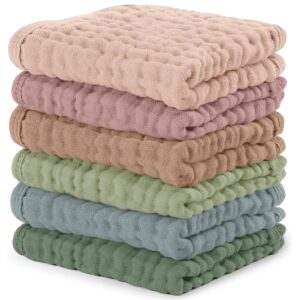
Comfy Cubs Muslin Baby Washcloths - Soft & Gentle
$19.99
- Made from six layers of ultra-soft cotton, ensuring a gentle touch on your baby’s skin.
- Large size (10”x10”) provides versatility for both newborns and toddlers, perfect for various uses.
- Highly absorbent, making them ideal for bath times and messy feeding sessions.
- Non-toxic and eco-friendly materials encourage a safe environment for your baby and contribute to a healthier planet.
- Vibrant colors and playful designs brighten up the bath routine, adding joy to every wash.

MAM Air Baby Pacifier, for Sensitive Skin
$8.57
- Maximizes airflow around the mouth, reducing the risk of irritation for babies with delicate skin.
- Glows in the dark, making it easy to locate during nighttime feedings or soothing moments without waking your baby.
- Features an orthodontic symmetrical shape that aligns comfortably with your baby's mouth, promoting healthy dental development.
- Made from high-quality, soft silicone that mimics the natural feel of breastfeeding, providing comfort and reassurance for your baby.
- Approved by 94% of babies, ensuring it’s a hit among little ones and giving parents peace of mind with its comfort and usability.
As an Amazon Associate we earn from qualifying purchases. We only recommend products we'd use ourselves — we're never paid for placement.
Frequently Asked Questions
What is the safest baby wash?
The safest baby wash is one that’s fragrance-free, sulfate-free, and made with a short list of gentle, recognizable ingredients. Look for third-party validation from the EWG or the National Eczema Association, and skip anything with “fragrance,” SLS/SLES, parabens, or formaldehyde-releasing preservatives like DMDM hydantoin. Simpler is almost always safer for a newborn’s delicate skin.
Is fragrance-free baby wash better?
For most babies, yes. “Fragrance” on a label can hide dozens of undisclosed ingredients and is a leading cause of skin irritation in little ones. Fragrance-free takes that guesswork off the table. If you love a lightly scented product, choose one scented only with named essential oils rather than a generic “parfum” blend, and always patch-test first if your baby has sensitive skin.
Can I use adult body wash on a baby?
It’s best not to, mama. Adult body washes are often more heavily fragranced, more acidic or alkaline than baby skin prefers, and packed with cleansers that are too harsh for a thin, still-developing skin barrier. A wash formulated specifically for babies is milder, pH-appropriate, and designed to be tear-free, which matters a lot when soap gets near those little eyes.
How often should I bathe my newborn with baby wash?
Two to three times a week is plenty for a newborn, and you don’t need to use wash every single time. Warm water and a soft cloth handle most days, with a gentle non-toxic wash a couple of times a week to clean skin folds and the diaper area. Over-bathing can dry out that new skin, so less really is more in the early months.
Bath time should feel like a soft landing at the end of the day, not a chemistry test, mama. Keep it simple, keep it gentle, and trust that a short, honest ingredient list is doing more for your baby than any fancy label ever could. You’ve got this. — Angela
Angela's Recommended Resources
Guides and courses I personally recommend:
Most Popular
Baby Sleep Miracle
Proven gentle method to help your baby sleep through the night naturally. No cry-it-out, science-backed.
Children Learning Reading
Phonics-based reading program for young children. Simple 15-minute daily lessons that work.
* Affiliate links. We may earn a commission at no extra cost to you.