- Angela’s Picks
- Shop by Age
- Shop by Category
- Shop by Values
- Montessori Toys
- Sensory Toys
- Teething Toys
- Wooden Toys
- Educational Toys
- Stacking & Sorting Toys
- Baby Bottles
- Sippy Cups
- Plates & Bowls
- Bibs
- Deals
- Baby Utensils
- High Chairs
- Breastfeeding & Nursing
- Snack Containers
- Crib Mattresses
- Bassinets
- Sleep Sacks & Swaddles
- Baby Blankets
- Baby Monitors
- Cribs & Nursery Furniture
- Baby Shampoo & Wash
- Baby Lotion & Oil
- Baby Sunscreen
- Bath Tubs & Seats
- Towels & Washcloths
- Diaper Cream & Balm
- Eco-Friendly Diapers
- Baby Wipes
- Potty Training
- Changing Pads
- Cloth Diapers
- Baby Thermometers
- Baby Proofing
- Baby Gates
- Humidifiers
- First Aid & Grooming
- Onesies & Bodysuits
- Sleepers & Pajamas
- Hats & Mittens
- Nursing Pads
- Breast Pumps & Accessories
- Postpartum Care
Baby Eczema: Causes, Triggers & Gentle Treatment

Quick Answer
What causes baby eczema, common triggers to avoid, and a gentle non-toxic treatment routine – bathing, moisturizing, and when to see the pediatrician.
Those red, dry, itchy patches on your baby’s cheeks or in their elbow creases are incredibly common — eczema affects up to 1 in 5 babies. It looks worse than it usually is, and the good news is that a gentle, consistent routine controls most cases beautifully. Here’s what causes it, what triggers flares, and how to soothe it.
What Causes Baby Eczema?
Eczema (atopic dermatitis) happens when the skin barrier is a little “leaky,” letting moisture out and irritants in. It often runs in families alongside allergies and asthma. It’s not contagious and it’s not your fault. It typically shows up between 2–6 months as dry, red, itchy patches — on the cheeks and scalp in babies, and in the elbow and knee creases as they grow.
Common Triggers to Avoid
- Fragrance & harsh soaps — the #1 culprit. Switch to fragrance-free everything.
- Overheating & sweat — dress in breathable layers and keep the room cool.
- Dry air — a humidifier helps in winter.
- Rough or synthetic fabrics — choose soft organic cotton clothing; wash in fragrance-free detergent.
- Saliva & drool — apply a barrier balm around the mouth during teething.
- Certain foods (in some babies) — mention persistent flares to your doctor before cutting foods.
A Gentle Treatment Routine
The golden rule for eczema is “soak and seal”:
- Short, lukewarm baths (5–10 min) with a fragrance-free, non-soap cleanser — not too hot, not too often.
- Pat dry, don’t rub, leaving skin slightly damp.
- Moisturize immediately (within 3 minutes) with a thick, fragrance-free cream or ointment to lock in water. Reapply at least twice a day.
- Choose products that are fragrance-free and ideally accepted by the National Eczema Association — see our non-toxic baby skincare guide.
- Keep nails short and consider cotton mittens at night to limit scratching.
For stubborn flares, your pediatrician may prescribe a short course of a low-strength topical steroid — used as directed, these are safe and effective. Don’t avoid them out of fear; uncontrolled scratching and infection are riskier than appropriate treatment.
When to See the Pediatrician
- The rash is weeping, crusting yellow, or looks infected.
- Eczema isn’t improving with a consistent moisturizing routine.
- Your baby is losing sleep or very uncomfortable from itching.
- You suspect a food trigger — get guidance before eliminating foods.
Gentle Eczema-Friendly Skincare
| Product | Best For | Price | |
|---|---|---|---|
| Coppertone WaterBabies Baby Sunscreen Lotion SPF 50, 8 | Best Overall | $8.88 | View |
| Noodle & Boo Super Soft Moisturizing Lotion | Best Value | $20.00 | View |
| Palmer's Cocoa Butter Formula Massage Lotion for Stretch | Editor's Pick | $9.29 | View |
| NIVEA Soothing Baby Lotion | Great Choice | $6.41 | View |
| Babo Botanicals Sensitive Baby Mineral Sunscreen Lotion SPF | Great Choice | $19.00 | View |
| Eucerin Baby Body Lotion, Hypoallergenic, 13.5 Fl Oz | Great Choice | $11.79 | View |
BEST OVERALL 
Coppertone WaterBabies Baby Sunscreen Lotion SPF 50, 8 Fl Oz
$8.88
- Broad Spectrum Protection: Shields your baby's delicate skin from up to 98% of UVA and UVB rays, keeping them safe during outdoor adventures.
- Water Resistant: Lasts through water play, remaining effective for up to 80 minutes, so your little swimmer can splash around freely.
- Hypoallergenic Formula: Designed with your baby's sensitive skin in mind, this sunscreen is hypoallergenic, minimizing the risk of irritation.
- Pediatrician Recommended: Trust in a product that comes from the #1 pediatrician-recommended sunscreen brand, ensuring a reliable choice for sun protection.
- Easy Application: The smooth lotion formula glides on easily, making it a breeze to apply and reapply when needed.
BEST VALUE 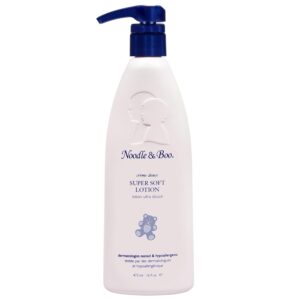
Noodle & Boo Super Soft Moisturizing Lotion
$20.00
- Delivers rich hydration, ensuring your baby's skin remains supple and moisturized throughout the day.
- Crafted from non-toxic, organic ingredients for safe, worry-free application.
- Features a light, soothing scent that adds a calming ritual to your baby's skincare routine.
- Perfect for daily use, making it a staple in your baby care arsenal.
- Absorbs quickly without leaving a greasy residue, ideal for busy parents.
EDITOR'S PICK 
Palmer's Cocoa Butter Formula Massage Lotion for Stretch Marks, 8.5 oz
$9.29
- Deeply moisturizing formula for long-lasting hydration, keeping your skin supple for up to 48 hours.
- Combines the goodness of Cocoa Butter, Shea Butter, and Argan Oil to enhance skin elasticity during and after pregnancy.
- Hypoallergenic and non-greasy, making it perfect for daily use without leaving a heavy residue.
- Infused with Collagen and Elastin, which work together to promote smoother, more resilient skin.
- Trusted brand with over 180 years of experience crafting effective beauty products using high-quality ingredients.

NIVEA Soothing Baby Lotion
$6.41
- Non-greasy formula: Absorbs quickly without leaving a sticky residue, making it easy to apply during diaper changes or after bath time.
- Hydrating ingredients: Formulated to provide long-lasting moisture, helping to combat dryness and maintain skin's natural softness.
- Dermatologically tested: Safe for sensitive skin, giving parents peace of mind when applying to their baby.
- Soothing properties: Infused with skin-loving ingredients that help calm irritation and redness, perfect for post-bath pampering.
- Gentle scent: Offers a light, fresh fragrance that is not overpowering, keeping your baby smelling delightful.

Babo Botanicals Sensitive Baby Mineral Sunscreen Lotion SPF 50
$19.00
- Water-Resistant Protection: Provides up to 80 minutes of coverage against water and sweat, perfect for beach days or splashes in the pool.
- Fragrance-Free Formula: Ideal for babies with sensitive skin, minimizing the risk of irritation caused by added scents.
- Mineral-Based Safety: Contains zinc to naturally shield against UVA and UVB rays, without the use of oxybenzone or octinoxate.
- Dermatologist Tested: Clinically evaluated to reduce the risk of allergic reactions, making it a safe choice for the most sensitive skin.
- B Corp Certified: Manufactured in the USA with a commitment to environmental sustainability and social responsibility.

Eucerin Baby Body Lotion, Hypoallergenic, 13.5 Fl Oz
$11.79
- Daily Moisturization: The lotion is perfect for everyday use, helping to maintain your baby’s skin hydration and softness.
- Gentle Formulation: Enriched with Pro-Vitamin B5 and natural Shea Butter, it provides nurturing care without the worry of irritants.
- Hypoallergenic: Designed specifically for sensitive skin, this lotion minimizes the risk of allergic reactions.
- Convenient Pump Design: The easy-to-use pump bottle allows for quick dispensing, making application a breeze during busy diaper changes.
- Trusted Brand: Eucerin is recommended by dermatologists and pediatricians, ensuring you choose a brand that prioritizes your baby’s skin health.
As an Amazon Associate we earn from qualifying purchases. We only recommend products we'd use ourselves — we're never paid for placement.
Frequently Asked Questions
Will my baby outgrow eczema?
Many babies improve significantly or outgrow eczema by early childhood, especially with good skin-barrier care. Some have flares into later childhood. A consistent moisturizing routine reduces both the severity and the frequency of flares.
How often should I moisturize eczema-prone skin?
At least twice a day, and always right after a bath while the skin is still damp. During a flare, you can moisturize even more often — you really can’t over-moisturize eczema-prone skin with a fragrance-free cream.
What’s the best soap for baby eczema?
Use a fragrance-free, non-soap, gentle cleanser rather than traditional soap, which strips natural oils. Bathe in lukewarm water for just a few minutes and follow immediately with a thick moisturizer.
This guide is for general educational purposes and is not medical advice. Always consult your pediatrician about your baby’s health, skin, or symptoms.
Angela's Recommended Resources
Guides and courses I personally recommend:
Most Popular
Baby Sleep Miracle
Proven gentle method to help your baby sleep through the night naturally. No cry-it-out, science-backed.
* Affiliate links. We may earn a commission at no extra cost to you.