- Angela’s Picks
- Shop by Age
- Shop by Category
- Shop by Values
- Montessori Toys
- Sensory Toys
- Teething Toys
- Wooden Toys
- Educational Toys
- Stacking & Sorting Toys
- Baby Bottles
- Sippy Cups
- Plates & Bowls
- Bibs
- Baby Utensils
- Deals
- High Chairs
- Breastfeeding & Nursing
- Snack Containers
- Crib Mattresses
- Bassinets
- Sleep Sacks & Swaddles
- Baby Blankets
- Baby Monitors
- Cribs & Nursery Furniture
- Baby Shampoo & Wash
- Baby Lotion & Oil
- Baby Sunscreen
- Bath Tubs & Seats
- Towels & Washcloths
- Diaper Cream & Balm
- Eco-Friendly Diapers
- Baby Wipes
- Potty Training
- Changing Pads
- Cloth Diapers
- Baby Thermometers
- Baby Proofing
- Baby Gates
- Humidifiers
- First Aid & Grooming
- Onesies & Bodysuits
- Sleepers & Pajamas
- Hats & Mittens
- Nursing Pads
- Breast Pumps & Accessories
- Postpartum Care
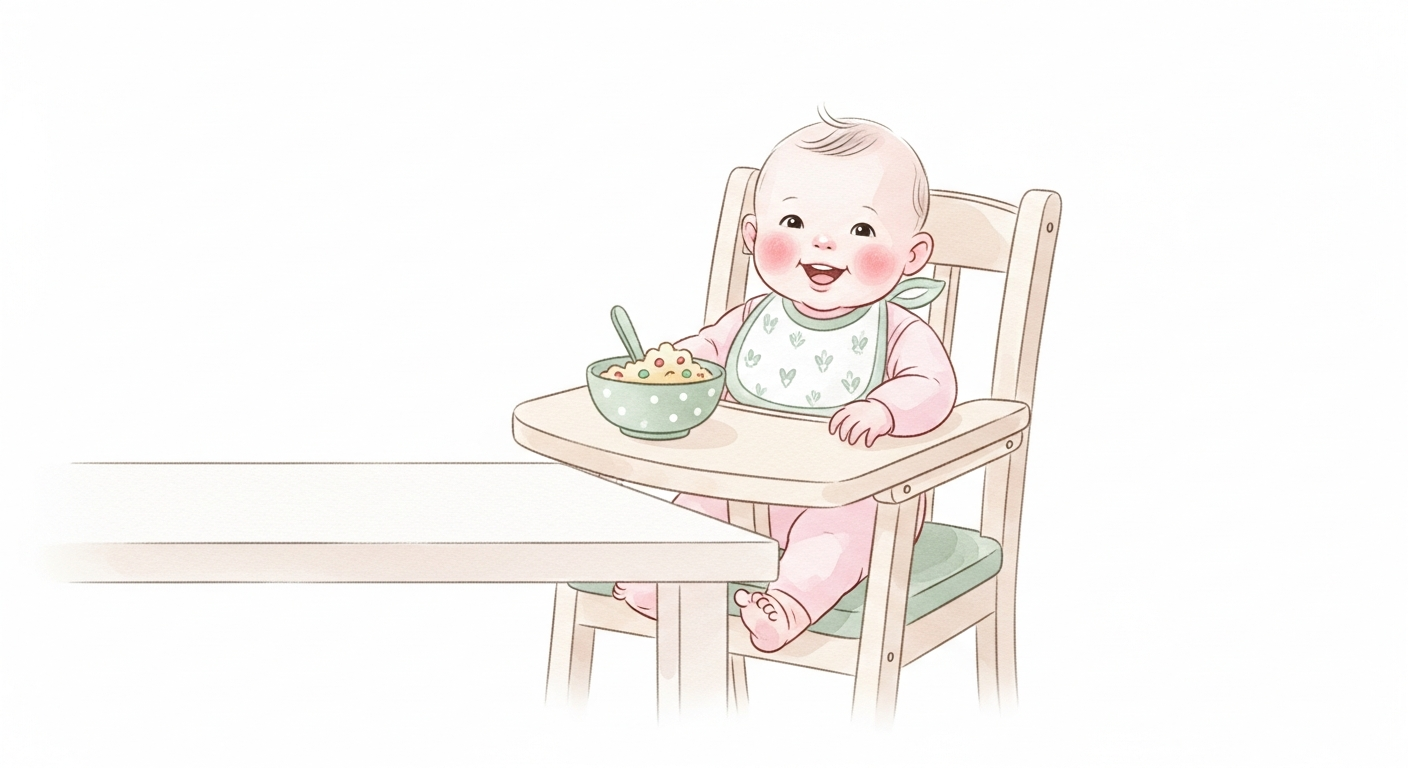
The Best Non-Toxic Highchairs (2026): Safe Seats for Mealtime

Quick Answer
Looking for a non-toxic highchair? We reviewed the safest options free from flame retardants, BPA, PVC, and harmful finishes for your baby.
Updated for 2025. All products independently researched. Some links are affiliate links — we earn a small commission at no cost to you.
Your baby will sit in their highchair for hundreds of meals. That’s hundreds of hours of skin contact, mouthing the tray edges, and breathing whatever the chair off-gasses. Most parents obsess over what food to put ON the tray but never think about what the tray itself is made of.
Here’s what to look for in a non-toxic highchair — and our top picks at every price point.
What Makes a Highchair “Non-Toxic”?
- No flame retardants in seat pads or cushions
- BPA/BPS-free tray — especially important since baby will gnaw on the edges
- No PVC in the seat cover or straps
- Low-VOC or water-based finishes on wood chairs
- GREENGUARD Gold certified is the gold standard for off-gassing
- No lead or heavy metals in paint or coatings
Our Top Picks
Best Overall: Stokke Tripp Trapp
Price: $259-$299 | Material: European beech wood | Certifications: Water-based paint, meets EU safety standards
The Tripp Trapp has been the gold standard for 50+ years. Solid European beech wood with water-based, non-toxic lacquer. No plastic tray (you use the table), no seat cushion needed (no flame retardants to worry about), and it grows with your child from 6 months to adult. Yes, it’s expensive upfront, but this is genuinely a buy-once, use-for-15-years chair.
Best Budget: IKEA Antilop
Price: $20-$25 | Material: Polypropylene (BPA-free) | Certifications: Meets IKEA chemical standards
Hear me out: the $20 IKEA Antilop is actually one of the safest highchairs you can buy. It’s made from a single piece of BPA-free polypropylene — no cushions (no flame retardants), no paint (no lead), no fabric (no PFAS). It’s the minimalist approach to non-toxic. Every pediatric feeding therapist I’ve spoken to recommends it.
Best Mid-Range: Abiie Beyond
Price: $180-$220 | Material: European beech wood | Certifications: GREENGUARD Gold, ASTM certified
If you want the Stokke look at a lower price, the Abiie Beyond delivers. GREENGUARD Gold certified (the highest standard for chemical emissions), solid beech wood, and it includes a removable BPA-free plastic tray. Grows from 6 months to 250 lbs.
Best Portable: Inglesina Fast Table Chair
Price: $65-$75 | Material: Steel frame, polyester seat | Good for: Restaurants, travel, small spaces
Clamps to any table edge. The fabric seat is OEKO-TEX certified, which means it’s been tested for harmful substances. No tray to worry about (baby eats directly off the table). Folds flat for travel.
Highchairs We Don’t Recommend
We specifically avoid recommending highchairs with:
- Heavily padded fabric seats (almost always treated with flame retardants)
- Vinyl/PVC seat covers (contain phthalates and chlorine)
- Brightly painted plastic with no certification info (lead risk in imported models)
- Complex plastic mechanisms with lots of crevices (harbor mold, impossible to fully clean)
When in doubt, simpler is safer. The fewer materials and finishes involved, the fewer chemicals your baby is exposed to.
— Angela Grace
Our Favorite High Chairs
| Product | Best For | Price | |
|---|---|---|---|
| Regalo High Chairs | Best Overall | $34.99 | View |
| BIERUM 15-in-1 Baby High Chair and Activity Play | Best Value | $129.99 | View |
| Ktaxon 6-in-1 Portable Baby High Chair with Removable | Editor's Pick | $59.99 | View |
| 3 in 1 Baby High Chair, Adjustable Convertible | Great Choice | $63.99 | View |
| Gofirst 6 in 1 Convertible Baby High Chair | Great Choice | $109.99 | View |
| Convertible Baby 6-in-1 High Chair, Gray | Great Choice | $66.66 | View |
BEST OVERALL 
Regalo High Chairs
$34.99
- Safe and Secure: The five-point harness ensures your baby is snugly secured, allowing you to focus on mealtime without worry.
- Easy to Clean: The oversized tray is removable and wipes down effortlessly, making post-meal cleanup a breeze.
- Lightweight and Portable: Perfect for families on-the-go, this high chair is easy to assemble and move from room to room or even to family gatherings.
- Compact Design: With dimensions of 27.5" L x 22.6" W x 33.9" H, it fits well in smaller spaces without sacrificing functionality.
- Durable Construction: The all-metal frame provides stability and longevity, ensuring this high chair can withstand the rigors of daily use.
BEST VALUE 
BIERUM 15-in-1 Baby High Chair and Activity Play Center
$129.99
- 15 Different Modes: Easily transforms from a high chair to a toddler chair, booster seat, or activity center, fitting seamlessly into your family’s routine.
- Dual-Child Functionality: Split design allows two children to enjoy their own experiences at mealtime and playtime, making it perfect for siblings or twins.
- Engaging Activity Center: A 360-degree rotating seat with interactive toys fosters cognitive development and motor skills while keeping your child entertained.
- Dynamic Table & Chair Set: The reversible tabletop supports both mealtime and creative play, transforming into a perfect space for snacks or art projects.
- Safety First: Equipped with a secure 5-point harness, ensuring your child is safe during mealtime and play.
EDITOR'S PICK 
Ktaxon 6-in-1 Portable Baby High Chair with Removable Tray
$59.99
- Adjustable Design: With two height adjustments and a three-position reclining backrest, this high chair grows with your child, making it suitable for different stages of feeding.
- Enhanced Safety: The 5-point safety harness and sturdy steel frame provide peace of mind while your little one enjoys their meals.
- Multi-Functional Use: Effortlessly switch between high chair and gentle rocking mode, allowing for easy transitions during feeding and playtime.
- Easy Cleanup: Featuring a wipe-clean plastic tray and a waterproof PU seat that can be removed and machine-washed, making post-meal cleanups a breeze.
- Space-Saving Portability: The foldable design and locking casters allow you to move it around your home easily, making it perfect for families on the go.

3 in 1 Baby High Chair, Adjustable Convertible Chair
$63.99
- Two adjustable height positions allow for easy customization to fit your dining table or counter height, ensuring comfort for both you and your child.
- The convertible design transforms seamlessly from a high chair to a play chair and even a booster seat, extending its usability as your child grows.
- Easy-to-clean features like a detachable plate and waterproof PU seat cover mean less stress and more time enjoying moments with your baby.
- A robust pyramid structure ensures stability, minimizing any risk of tipping over during active mealtimes.
- The secure 5-point safety harness keeps your little one snug and safe, allowing you to focus on feeding rather than constantly worrying about their safety.

Gofirst 6 in 1 Convertible Baby High Chair
$109.99
- Multifunctionality: With six different modes, it easily transforms from a traditional high chair to a toddler booster seat, kids' table and chair, and more.
- Adjustable Tray: The high chair features a 4-level adjustable tray that can be removed for easy cleaning, ensuring maximum convenience during feeding times.
- Safety First: Equipped with a high-quality 5-point harness, this chair keeps your baby securely in place, giving parents peace of mind.
- Durable Materials: Made from eco-friendly food-grade PP and PE, it’s built to withstand toddlers’ habits while being completely non-toxic.
- Stable Design: Passed rigorous safety tests, it ensures stability and durability, making it a reliable choice for everyday use.

Convertible Baby 6-in-1 High Chair, Gray
$66.66
- Six versatile modes: easily converts from a full-sized high chair to a toddler chair, small dining chair, kids chair, and even a building block table.
- Reversible tabletop: features a grooved side for creative play and a smooth side perfect for meals and learning activities.
- Safe and sturdy design: constructed with a robust pyramid shape and anti-slip footpads to prevent tipping.
- Convenient adjustments: a removable, double-layer tray can be adjusted to three positions to accommodate your growing child.
- Easy maintenance: both the cushion and tray are removable and easy to clean, ensuring a hygienic environment after every use.
As an Amazon Associate we earn from qualifying purchases. We only recommend products we'd use ourselves — we're never paid for placement.