- Angela’s Picks
- Shop by Age
- Shop by Category
- Shop by Values
- Montessori Toys
- Sensory Toys
- Teething Toys
- Wooden Toys
- Educational Toys
- Stacking & Sorting Toys
- Baby Bottles
- Sippy Cups
- Plates & Bowls
- Bibs
- Baby Utensils
- Deals
- High Chairs
- Breastfeeding & Nursing
- Snack Containers
- Crib Mattresses
- Bassinets
- Sleep Sacks & Swaddles
- Baby Blankets
- Baby Monitors
- Cribs & Nursery Furniture
- Baby Shampoo & Wash
- Baby Lotion & Oil
- Baby Sunscreen
- Bath Tubs & Seats
- Towels & Washcloths
- Diaper Cream & Balm
- Eco-Friendly Diapers
- Baby Wipes
- Potty Training
- Changing Pads
- Cloth Diapers
- Baby Thermometers
- Baby Proofing
- Baby Gates
- Humidifiers
- First Aid & Grooming
- Onesies & Bodysuits
- Sleepers & Pajamas
- Hats & Mittens
- Nursing Pads
- Breast Pumps & Accessories
- Postpartum Care
Baby Developmental Milestones: Month-by-Month (0-12 Months)

Quick Answer
A month-by-month guide to baby developmental milestones from 0-12 months – motor, social, and language skills, plus how to support development and when to ask your doctor.
Watching your baby discover the world — that first social smile, the first wobbly sit, the first “mama” — is one of the great joys of parenthood. This month-by-month guide covers what to generally expect across the first year. Remember: milestones happen across wide, normal ranges. Your baby is on their own timeline, and skipping or reordering a few is common.
Month-by-Month Milestone Overview
| Age | Typical new skills |
|---|---|
| 1 month | Lifts head briefly during tummy time; focuses on faces 8–12 in away; responds to sound. |
| 2 months | First social smiles; coos; follows objects with eyes; holds head up more steadily. |
| 3–4 months | Pushes up on forearms; grasps and brings hands to mouth; laughs; tracks across midline. |
| 5–6 months | Rolls both ways; sits with support; reaches and grabs; babbles; explores with mouth. |
| 7–8 months | Sits without support; passes objects hand to hand; responds to name; may start crawling. |
| 9–10 months | Pulls to stand; cruises along furniture; pincer grasp; waves; understands “no.” |
| 11–12 months | Stands alone briefly; may take first steps; says 1–2 words; points; plays peek-a-boo. |
The Four Areas of Development
- Gross motor — big movements: head control, rolling, sitting, crawling, standing, walking.
- Fine motor — hands and fingers: grasping, transferring, the pincer grasp.
- Language & communication — cooing, babbling, gestures, first words.
- Social & emotional — smiling, bonding, stranger awareness, play.
How to Support Your Baby’s Development
- Tummy time from day one (a few minutes, several times a day) builds neck, back, and core strength for rolling and crawling.
- Talk, read, and sing constantly. Narrate your day — this is how language wires in. Reading together daily is one of the highest-impact things you can do.
- Offer open-ended, screen-free play. Simple Montessori-style toys, stacking cups, and non-toxic toys invite exploration far more than flashy electronics.
- Respond to cues. Serve-and-return interaction — you respond to their coo, they respond back — builds the brain’s social architecture.
- Safe floor time. A clean, padded space (a non-toxic play mat) lets them practice big movements freely.
When to Talk to Your Pediatrician
Milestone ranges are wide, but trust your instincts and check in with your doctor if your baby:
- Isn’t making eye contact or smiling socially by ~3 months.
- Has stiff or very floppy muscle tone, or isn’t holding their head up by ~4 months.
- Isn’t babbling or responding to sounds by ~7 months.
- Isn’t sitting with support by ~9 months or bearing weight on legs.
- Loses skills they previously had at any age.
Early support makes a real difference, and your pediatrician would always rather you ask. There’s no such thing as a silly question here.
Milestone Play Picks
| Product | Best For | Price | |
|---|---|---|---|
| Nuby Wacky Waterworks Pipes Bath Toy | Best Overall | $14.99 | View |
| Wooden Alphabet Puzzle Set | Best Value | $11.99 | View |
| Infinno Inflatable Tummy Time Mat for Infants and | Editor's Pick | $9.99 | View |
| LORAIA® Non-Toxic Foam Climbing Blocks for Toddlers 1-3 | Great Choice | $139.99 | View |
| Eascrozn Silicone Teething Toys for Babies | Great Choice | $7.95 | View |
| UIIOPJIOM Dinosaur Color Sorting Sensory Toys for Toddlers | Great Choice | $6.95 | View |
BEST OVERALL 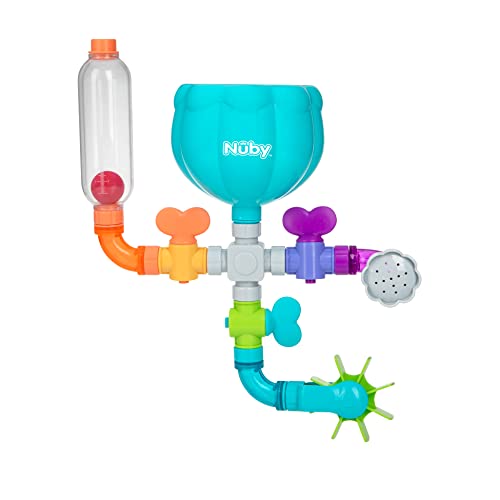
Nuby Wacky Waterworks Pipes Bath Toy
$14.99
- Interactive Play: Your child can control water flow by twisting valves, offering endless combinations for exploration.
- Skill Development: Helps build hand-eye coordination and fine motor skills through engaging play.
- Bright & Colorful: The vibrant colors and playful characters stimulate visual senses, making bath time exciting.
- Easy Setup: Simple to assemble and attaches securely to the shower wall with included suction cups.
- Cause & Effect Learning: Engages children by demonstrating the relationship between actions and outcomes.
BEST VALUE 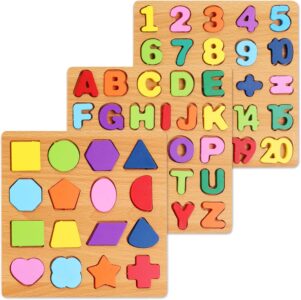
Wooden Alphabet Puzzle Set
$11.99
- Interactive Learning: The puzzle encourages children to match letters and numbers with colorful illustrations, making education feel like play!
- Enhances Fine Motor Skills: The smooth, rounded pieces are designed to stimulate dexterity as children grasp and manipulate them.
- Fosters Cognitive Development: This matching game supports logical thinking and memory, helping children learn through self-correction.
- Durable and Long-Lasting: Made from high-quality wood, the sturdy pieces will withstand enthusiastic playtime and remain vibrant.
- Perfect Gift Idea: Whether for a birthday or holiday, this puzzle is an excellent way to spark curiosity and creativity in young minds!
EDITOR'S PICK 
Infinno Inflatable Tummy Time Mat for Infants and Toddlers
$9.99
- Encourages sensory exploration with colorful sea creatures that spark curiosity and engagement.
- Supports head, neck, and shoulder muscle development during tummy time, essential for later milestones.
- Enhances hand-eye coordination and fine motor skills as babies reach for floating toys inside the mat.
- Completely leak-proof and made from durable materials, ensuring worry-free playtime.
- Portable and easy to store, perfect for playdates or family outings.

LORAIA® Non-Toxic Foam Climbing Blocks for Toddlers 1-3
$139.99
- Safe Exploration: Designed with interlocking pieces and a secure non-slip base, ensuring stability during playtime.
- Durable Materials: Made from high-quality EPE foam and vegan PU leather, making it easy to clean and maintain.
- Developmentally Beneficial: Encourages gross motor skills, hand-eye coordination, and social interaction through active play.
- Versatile Fun: Can be rearranged for various play scenarios, from climbing gyms to cozy storytime spots.
- Stylish Aesthetic: The light grey pastel color blends beautifully with modern home decor.
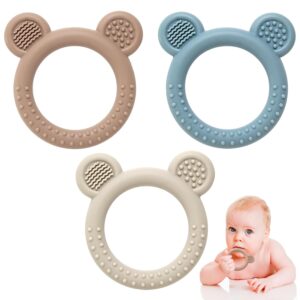
Eascrozn Silicone Teething Toys for Babies
$7.95
- Perfectly sized for tiny hands, enabling babies to grasp and manipulate the toys with ease.
- Soft textures help alleviate discomfort from teething, providing a comforting outlet for sore gums.
- Made from food-grade silicone, ensuring that the toys are safe for chewing and mouthing.
- Easy to clean; just toss them in the dishwasher or wash them with soap and water for quick sanitization.
- Bright colors and fun shapes stimulate your baby's visual and tactile senses, making playtime enjoyable.

UIIOPJIOM Dinosaur Color Sorting Sensory Toys for Toddlers
$6.95
- Promotes color recognition through playful sorting, making learning fun.
- Encourages fine motor skills as toddlers squeeze and press colorful beads into the correct positions.
- Supports early math skills by introducing counting and sorting in a tactile, enjoyable way.
- Stimulates sensory development with varying textures and bright colors.
- Fosters independent play, allowing parents to enjoy a moment of peace while kids are actively engaged.
As an Amazon Associate we earn from qualifying purchases. We only recommend products we'd use ourselves — we're never paid for placement.
Frequently Asked Questions
Are milestone ages exact?
No. Milestones describe a typical range, not a deadline. Healthy babies reach them at different times, and many normal babies are a month or two “ahead” or “behind” on any given skill. The overall pattern of steady progress matters more than any single date.
Does skipping crawling mean something is wrong?
Not usually. Some babies scoot, roll, or bottom-shuffle and go straight to pulling up and walking. As long as your baby is mobile and progressing, skipping classic crawling is generally fine — mention it at your well-visit if you have concerns.
How can I help my baby reach milestones?
Lots of tummy time, talking and reading throughout the day, responsive interaction, and plenty of safe, open-ended floor play give your baby everything they need. You don’t need fancy gadgets — engaged caregivers and a safe space are what matter most.
When do babies start walking?
Most babies take their first independent steps between 9 and 15 months, with around 12 months being average. Cruising along furniture usually comes first. Walking later within this window is completely normal.
This guide is for general educational purposes and is not medical advice. Every baby develops at their own pace. Always consult your pediatrician about your child’s sleep, feeding, and development.
Angela's Recommended Resources
Guides and courses I personally recommend:
Children Learning Reading
Phonics-based reading program for young children. Simple 15-minute daily lessons that work.
* Affiliate links. We may earn a commission at no extra cost to you.