- Angela’s Picks
- Shop by Age
- Shop by Category
- Shop by Values
- Montessori Toys
- Sensory Toys
- Teething Toys
- Wooden Toys
- Educational Toys
- Stacking & Sorting Toys
- Baby Bottles
- Sippy Cups
- Plates & Bowls
- Bibs
- Baby Utensils
- Deals
- High Chairs
- Breastfeeding & Nursing
- Snack Containers
- Crib Mattresses
- Bassinets
- Sleep Sacks & Swaddles
- Baby Blankets
- Baby Monitors
- Cribs & Nursery Furniture
- Baby Shampoo & Wash
- Baby Lotion & Oil
- Baby Sunscreen
- Bath Tubs & Seats
- Towels & Washcloths
- Diaper Cream & Balm
- Eco-Friendly Diapers
- Baby Wipes
- Potty Training
- Changing Pads
- Cloth Diapers
- Baby Thermometers
- Baby Proofing
- Baby Gates
- Humidifiers
- First Aid & Grooming
- Onesies & Bodysuits
- Sleepers & Pajamas
- Hats & Mittens
- Nursing Pads
- Breast Pumps & Accessories
- Postpartum Care
Is Polyester Safe for Baby Clothes? An Honest, Plain-Language Guide

Quick Answer
Is polyester safe for baby clothes? An honest, non-alarmist look at breathability, chemical finishes, microplastics, and when natural fibers win.
If you’ve ever flipped over a tiny onesie, squinted at the fabric tag, and thought “wait, is polyester safe for babies?” — you’re asking exactly the right question, and you’re in good company. I’m Angela, and as the founder of 1 Stop Baby, this is probably the fabric question I get most. So let me give you the honest answer up front, then we’ll dig into the nuance together.
Here’s the short version: polyester is not “toxic” in the dramatic, scary sense. Your baby is not going to be harmed by wearing a polyester jacket or sleeping under a fleece blanket. But polyester is a plastic-based synthetic fiber, and that comes with real, practical trade-offs that matter most for clothing worn right against your baby’s skin. It’s less breathable than natural fibers, so it can trap heat and moisture (which ties directly into rashes and overheating). It may carry chemical finishes and dyes from manufacturing. And it sheds tiny plastic fibers, called microplastics, every time you wash it. None of that makes it an emergency — but it does mean that for base layers, sleepwear, and anything against sensitive skin, organic cotton is the smarter default. For warm outer layers, polyester and poly-blends are genuinely useful. Let’s walk through why.
Breathability, Heat, and Why It Matters for Safe Sleep
The single most practical reason I steer parents toward natural fibers for skin-contact clothing is breathability. Babies don’t regulate their own temperature well yet — they overheat far more easily than we do, and they can’t kick off a blanket or tell you they’re too warm. Natural fibers like cotton are more breathable and do a better job moving moisture away from the skin. Polyester, being plastic-based, tends to hold heat and trap sweat against the body.
This is why I care most about fabric in two situations: sleep and skin folds. Overheating is something pediatric safe-sleep guidance takes seriously, so for sleepwear and swaddles I lean firmly toward breathable natural fibers. And in those adorable chubby neck, wrist, and thigh creases, trapped moisture from a non-breathable fabric is exactly the kind of warm, damp environment that leads to heat rash and general fussiness. A breathable base layer simply keeps your baby more comfortable.
Chemical Finishes and Dyes: Where Certifications Earn Their Keep
Here’s a piece most fabric articles skip. The fiber itself is only part of the story — what gets added to fabric during manufacturing matters just as much, and this applies to both synthetics and conventional cotton.
Baby Sleep Miracle
Help baby sleep through the night naturally
Get It →Textiles are often treated with finishes to make them wrinkle-resistant, stain-resistant, or “easy care.” Some wrinkle-resistant treatments have historically relied on formaldehyde-based resins. Fabrics also carry dyes, and cheaper dyeing processes can leave residues behind. None of this is cause for panic — but it’s a reasonable thing to want to minimize on clothing that sits against thin baby skin all day.
This is exactly where independent certifications become genuinely useful rather than just marketing. Two worth knowing:
- OEKO-TEX (Standard 100): tests the finished fabric for a long list of potentially harmful substances. It doesn’t tell you the fiber is organic, but it does tell you the material has been tested for chemical residues — and it can apply to synthetics too.
- GOTS (Global Organic Textile Standard): the stricter one for natural fibers. It covers organic fiber content and restricts the chemicals, dyes, and finishes used along the way. When you see GOTS-certified organic cotton, you’re getting reassurance about both the fiber and the processing.
My honest take: a certification label is worth more than a vague “natural” or “pure” claim on the front of the package, because those front-of-package words aren’t regulated the way a third-party certification is.
The Microplastic Question
Because polyester is essentially a fine plastic, washing it releases microscopic plastic fibers into the water — and over the garment’s life, into the air too. This is an area where the science is still developing, and I’m not going to pretend we have all the answers about what it means for human health. What I can say plainly: it’s a real phenomenon, it’s one more reason I prefer natural fibers for the clothes we wash constantly (and babies generate a lot of laundry), and choosing cotton for everyday basics is a small, low-effort way to cut down on it. If you do wash synthetics, a microfiber-catching laundry bag is an easy step.
When Polyester Is Perfectly Fine (and When to Skip It)
I’m not here to tell you to throw out every synthetic in the drawer. That’s neither realistic nor necessary. The trick is matching the fabric to the job.
Polyester and poly-blends are genuinely good for: outerwear, rain layers, and fleece for warmth. Fleece is light, cozy, dries fast, and holds heat well — great for a stroller bunting or a winter jacket that isn’t pressed against bare skin all day. Synthetics also tend to be more durable and budget-friendly, which matters when babies outgrow everything in a season.
Reach for natural fibers for: base layers, bodysuits, sleepwear, swaddles, and anything against sensitive or eczema-prone skin. If your little one has reactive skin, the breathable-base-layer rule isn’t just comfort — it can meaningfully reduce irritation. (For skin that’s already struggling, gentle fabric choices pair well with a thoughtful skincare routine; our bath & skincare picks lean toward the gentle end.) A simple rule of thumb I share: the closer the fabric sits to bare skin, and the longer it stays there, the more it’s worth choosing a breathable natural fiber.
How to Actually Read a Fabric Label
The fiber content tag is your best friend, and it’s required by law to be there. Look for the percentage breakdown: “100% cotton” is straightforward, while “60% cotton, 40% polyester” tells you it’s a blend. A small percentage of spandex or elastane (often 5% or so) is what gives leggings and waistbands their stretch — that’s normal and usually nothing to worry about. What you’re really scanning for is whether the main fiber against the skin is natural or synthetic, plus any certification logos like GOTS or OEKO-TEX printed nearby.
What to Look For in Baby Clothing
When you’re shopping, here’s my quick mental checklist — the same one I use when curating pieces for our clothing collection:
- Certifications: look for GOTS (organic fiber + clean processing) or OEKO-TEX (tested for harmful substances) over unregulated “natural” buzzwords.
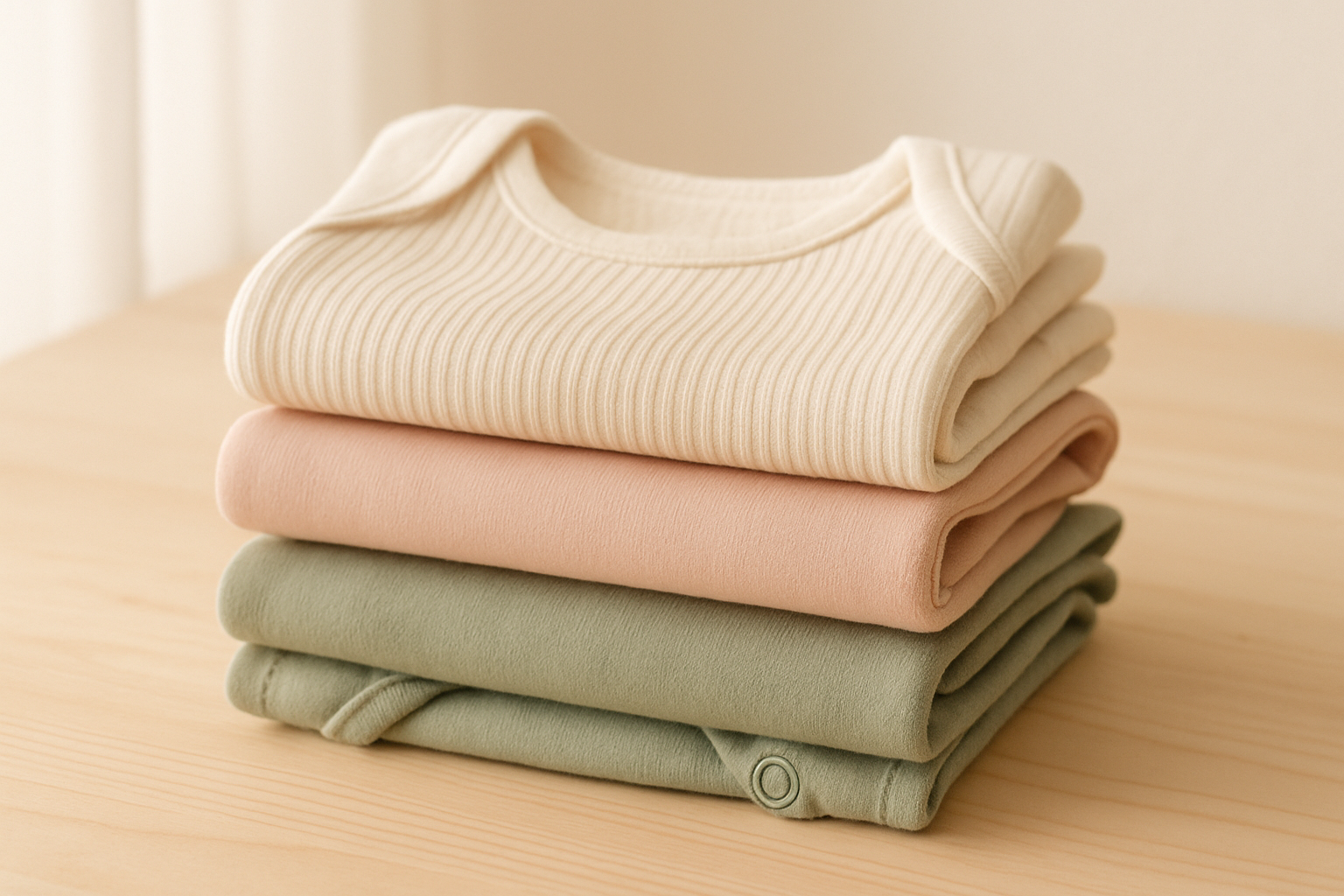
- Natural fibers for base layers: cotton, organic cotton, or bamboo for bodysuits, sleepwear, and anything touching skin all day.
- Tagless or printed labels: they avoid the scratchy neck tag that irritates sensitive skin.
- Nickel-free snaps and fasteners: nickel is a common contact allergen, so nickel-free hardware is a small detail that prevents big rashes.
- Wash before first wear: always launder new clothing before it touches your baby to rinse out manufacturing and dye residues.
- Simple construction: flat seams, minimal stiff appliqués against the skin, and easy diaper-access snaps make daily life better.
If you want to go deeper on non-toxic baby basics beyond clothing, I’ve gathered more guides like this one in our parenting resources hub.
Organic Cotton Baby Basics
| Product | Best For | Price | |
|---|---|---|---|
| mushie Muslin Baby Swaddle Blanket | 100% Organic | Best Overall | $18.99 | View |
| Sweet Charm Organic Burp Cloths - 5 Pack | Best Value | $19.96 | View |
| Yoofoss Baby Girl Organic Cotton Romper | Editor's Pick | $19.99 | View |
| Happiest Baby SNOO Bassinet Fitted Sheet - Organic | Great Choice | $19.95 | View |
| Under His Wings Muslin Swaddle & Baby Hat | Great Choice | $37.99 | View |
| HonestBaby Organic Cotton Fitted Crib Sheets Set | Great Choice | $9.19 | View |
BEST OVERALL 
mushie Muslin Baby Swaddle Blanket | 100% Organic Cotton
$18.99
- Ultra-soft and breathable muslin fabric keeps your baby warm yet comfortable, reducing the risk of overheating during sleep.
- Generous size of 47" x 47" (120 x 120 cm) allows for versatile use—perfect for swaddling, nursing covers, and even as a light blanket.
- Pre-washed for added softness, ensuring it feels gentle against your baby's delicate skin from day one.
- Durable and maintains softness wash after wash, making it a staple in your baby’s daily routine.
- Versatile design fits seamlessly into any nursery decor, combining aesthetics with functionality.
BEST VALUE 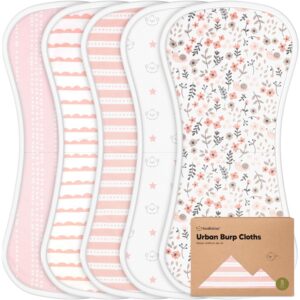
Sweet Charm Organic Burp Cloths - 5 Pack
$19.96
- Generously sized at 21" x 10", providing ample coverage to protect clothing and surfaces.
- Soft and plush feel, making them gentle against your baby's sensitive skin.
- Unisex design that complements any nursery décor, perfect for siblings or future additions.
- Machine washable for easy cleanup and long-lasting use through all your baby's stages.
- Made from organic cotton, offering a safe choice for your little ones.
EDITOR'S PICK 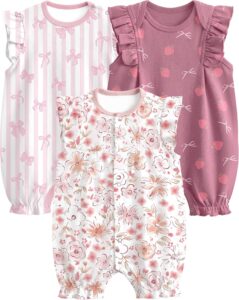
Yoofoss Baby Girl Organic Cotton Romper
$19.99
- Soft and breathable organic cotton that feels gentle against delicate skin.
- Adorable design options that allow your baby to express their personality.
- Durable stitching and quality construction for a piece that lasts through play and wash.
- Easy to put on and take off, making dressing a breeze for busy parents.
- Versatile enough for both casual outings and cozy days at home.
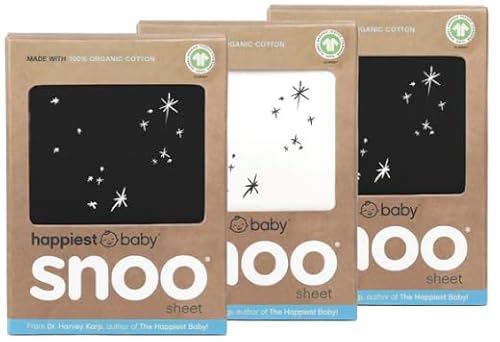
Happiest Baby SNOO Bassinet Fitted Sheet - Organic Cotton
$19.95
- Ultimate Comfort: The premium cotton fabric ensures that your baby stays cozy and comfortable throughout the night.
- Breathable Design: The sheets are breathable, allowing for better air circulation, which is crucial for safe sleep.
- Stylish Options: Available in six beautifully coordinated colors, these sheets can complement any nursery decor.
- Value Pack: Purchasing three sheets instead of one saves you money while providing extra convenience for busy parents.
- Perfect Fit: Designed specifically for the SNOO Bassinet, these sheets fit snugly to prevent bunching and ensure safety.

Under His Wings Muslin Swaddle & Baby Hat Set - Organic Cotton
$37.99
- Versatile Design: The neutral black and white colors make this set suitable for both boys and girls, fitting seamlessly into any nursery decor.
- Multi-Purpose Use: This swaddle isn't just for sleep; it can double as a stroller cover, play mat, or even a backdrop for adorable milestone photos.
- Thoughtful Gift Option: Elegantly packaged in a gift box, it's a lovely choice for baby showers, baptisms, or just to celebrate a new arrival.
- Soft and Snuggly: Crafted from 100% organic unbleached cotton, the fabric is incredibly soft against your baby’s skin, ensuring comfort at all times.
- Bonus Accessory: The included newborn hat adds an extra touch of warmth and style, making this set even more special.

HonestBaby Organic Cotton Fitted Crib Sheets Set
$9.19
- Made from ultra-soft, breathable organic cotton that keeps babies comfortable year-round.
- Extra stretchy elastic surrounds the mattress, ensuring a secure fit that stays in place, no matter how much your little one moves.
- Machine washable for easy care, so you can keep your nursery clean without hassle.
- Available in a variety of adorable prints and colors, making it easy to coordinate with existing nursery decor.
- Versatile size fits standard crib and toddler bed mattresses, growing with your child.
As an Amazon Associate we earn from qualifying purchases. We only recommend products we'd use ourselves — we're never paid for placement.
Frequently Asked Questions
Is polyester bad for newborns?
Polyester isn’t dangerous for newborns in the sense of being acutely toxic, but newborns have especially thin, delicate skin and overheat easily — so for their everyday bodysuits, sleepwear, and swaddles, I’d choose breathable natural fibers like cotton. Save synthetics for outer layers that aren’t pressed against bare skin all day.
Is organic cotton really better than polyester for babies?
For skin-contact clothing, yes, in the ways that count day to day: it’s more breathable, more comfortable in heat, doesn’t shed microplastics in the wash, and when it’s GOTS-certified you also get reassurance about the dyes and finishes used. Polyester still wins on durability, fast drying, and warmth for outerwear — so it’s less “good vs. bad” and more about using each fabric for the right job.
Can polyester cause baby rashes?
It can contribute to them. Because polyester traps heat and moisture against the skin, it can create the warm, damp conditions that lead to heat rash, and it can aggravate already-sensitive or eczema-prone skin. Chemical finishes or dyes may also irritate some babies. If you’re seeing recurring rashes, switching base layers to a breathable natural fiber and washing new clothes before wearing are two easy first steps.
Do I need to throw out all my polyester baby clothes?
Not at all — please don’t stress or toss a whole wardrobe. A practical middle path is to prioritize natural fibers for the items that sit against skin longest (sleepwear and base layers) and keep using polyester where it shines, like jackets and fleece. Small, intentional swaps over time are far more sustainable than an overnight overhaul.
At the end of the day, you don’t have to be perfect — you just have to be a little more informed than you were yesterday, and you already are. Sending you and your little one all my warmth. — Angela
Angela's Recommended Resources
Guides and courses I personally recommend:
Most Popular
Baby Sleep Miracle
Proven gentle method to help your baby sleep through the night naturally. No cry-it-out, science-backed.
* Affiliate links. We may earn a commission at no extra cost to you.