- Angela’s Picks
- Shop by Age
- Shop by Category
- Shop by Values
- Montessori Toys
- Sensory Toys
- Teething Toys
- Wooden Toys
- Educational Toys
- Stacking & Sorting Toys
- Baby Bottles
- Sippy Cups
- Plates & Bowls
- Bibs
- Baby Utensils
- Deals
- High Chairs
- Breastfeeding & Nursing
- Snack Containers
- Crib Mattresses
- Bassinets
- Sleep Sacks & Swaddles
- Baby Blankets
- Baby Monitors
- Cribs & Nursery Furniture
- Baby Shampoo & Wash
- Baby Lotion & Oil
- Baby Sunscreen
- Bath Tubs & Seats
- Towels & Washcloths
- Diaper Cream & Balm
- Eco-Friendly Diapers
- Baby Wipes
- Potty Training
- Changing Pads
- Cloth Diapers
- Baby Thermometers
- Baby Proofing
- Baby Gates
- Humidifiers
- First Aid & Grooming
- Onesies & Bodysuits
- Sleepers & Pajamas
- Hats & Mittens
- Nursing Pads
- Breast Pumps & Accessories
- Postpartum Care
Do Baby Mattresses Off-Gas? What That New Mattress Smell Really Means

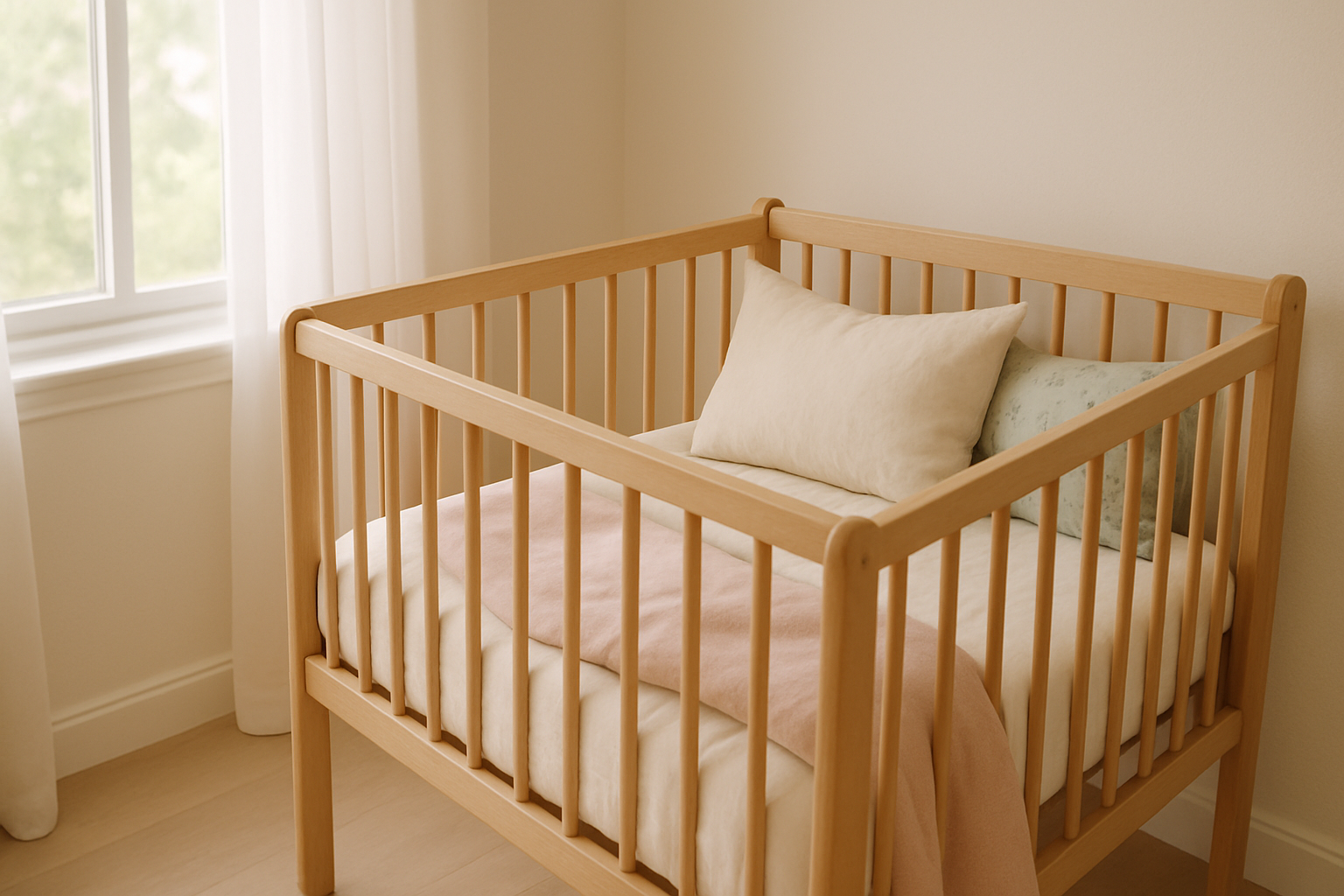
Quick Answer
That new crib mattress smell is usually VOC off-gassing. Learn what's normal, what's not, and how to air it out safely before baby sleeps.
You unwrap a brand-new crib mattress, and within minutes your nursery smells like… well, like a new mattress. A little chemical, a little plasticky. If your stomach dropped a bit and you thought, “Is this safe for my baby to breathe?” — you are asking exactly the right question, and you are not being paranoid.
So let’s answer it plainly: yes, many new baby mattresses do off-gas. That “new” smell is real, and it comes from chemicals called VOCs being released into the air. Polyurethane foam mattresses tend to off-gas the most, while natural materials off-gas far less. The good news — and this matters — is that baby mattress off-gassing is almost always strongest when the mattress is brand new and fades over time. You can reduce your baby’s exposure significantly by airing the mattress out before it goes in the crib, and by choosing certain materials and certifications when you shop. This is a manageable concern, not a reason to panic.
I’m Angela, and I’ve unwrapped more than a few crib mattresses in my time. Let me walk you through what’s actually happening, what’s worth caring about, and what’s just marketing trying to scare you.
What Are VOCs, in Plain Language?
VOC stands for “volatile organic compound.” Don’t let the science-y name throw you. “Volatile” just means the compound evaporates easily at room temperature, so it floats off the material and into the air you breathe. “Organic” here is a chemistry term meaning carbon-based — it has nothing to do with “organic” food or farming.
VOCs are everywhere in modern homes: fresh paint, new carpet, cleaning sprays, scented candles, and yes, new mattresses. When a mattress is manufactured from foam, adhesives, and synthetic covers, tiny amounts of leftover compounds stay trapped in the material. Once you unwrap it, they slowly release — and that release is what you smell. The smell is a signal that off-gassing is happening, but a milder smell generally means fewer VOCs in the air.
Baby Sleep Miracle
Help baby sleep through the night naturally
Get It →Why Do Foam Mattresses Off-Gas More?
Most conventional and budget crib mattresses are built around polyurethane foam. Foam is essentially a petroleum-based product whipped full of air, and its manufacturing involves a chemical reaction plus adhesives to hold layers together. Those processes leave behind compounds that release slowly once the mattress is exposed to air. That’s why foam mattresses are usually the strongest-smelling out of the box.
By contrast, mattresses made from natural materials tend to off-gas far less:
- Natural latex (from rubber trees) has a mild, slightly sweet smell that’s very different from a chemical odor, and it dissipates quickly.
- Organic cotton covers and fillings are breathable and don’t carry the synthetic smell foam does.
- Wool is naturally flame-resistant, which can reduce the need for added flame-retardant chemicals.
- Coconut coir or natural fiber cores are firm, supportive, and low-odor.
None of this means foam is dangerous or that you’ve done something wrong if you have one. It simply means the material your mattress is made from is the single biggest factor in how much it off-gasses and for how long.
What the Certifications Actually Mean (and Don’t)
Mattress labels are covered in seals and badges, and they genuinely do mean something — but it helps to know what each one is promising, because none of them mean “zero chemicals.”
- GREENGUARD Gold tests the finished product for chemical emissions and certifies that it stays under strict limits for low VOC output. It’s an air-quality promise — helpful because it tests what the mattress actually releases into the room, with limits set with children and sensitive people in mind. It does not mean the mattress is organic or made from natural materials.
- CertiPUR-US applies to polyurethane foam specifically. It means the foam was made without certain restricted chemicals and is tested for low VOC emissions. Helpful for a foam mattress — but it’s a standard for foam, so it doesn’t make a foam mattress “natural,” it just makes it a cleaner foam.
- GOTS (Global Organic Textile Standard) certifies organic fibers like cotton and wool, covering how they’re grown and processed. It speaks to the textile being genuinely organic — but it applies to the fabric components, not necessarily every internal layer.
My honest take: a certification is a useful filter, not a magic word. A mattress can be GREENGUARD Gold and still smell faintly when new. A mattress can be “natural latex” and still have a scent at first. Certifications lower your risk and give you verified information — they don’t eliminate off-gassing entirely. Use them as one helpful data point alongside the material itself.
How Long Does a New Baby Mattress Need to Air Out?
Here’s the part you actually came for. Off-gassing is highest right when you unwrap the mattress and tapers off from there. For a low-emission or natural mattress, the noticeable smell often clears within a few hours to a couple of days. For a conventional foam mattress, give it longer — several days to a couple of weeks of airing can make a real difference, and the smell typically keeps fading well after that.
The how matters as much as the how long. Don’t just leave it wrapped in the corner — the plastic traps everything in. Here’s the approach I use and recommend.
How to Reduce Mattress Off-Gassing
- Unwrap it right away in a well-ventilated room — ideally not the closed-up nursery. A garage, spare room, or any space with airflow works.
- Open the windows and let fresh air move across it. Cross-breeze is your best friend here.
- Run a fan pointed at the mattress to speed up the release and carry compounds out of the room.
- Give it time before baby sleeps on it — plan ahead and unwrap it days (not hours) before you need it, especially with foam.
- Let warmth help — a slightly warmer room can speed off-gassing, so airing it out in summer or a sunny room can shorten the process.
- Use a breathable, washable mattress protector once the smell has cleared — and wash your crib sheets before first use.
- Choose low-emission materials next time — if off-gassing concerns you, lean toward natural latex, organic cotton, and wool, or look for verified low-VOC certifications.
- Trust your nose, but give it a window — if a mild smell is still fading day by day, that’s normal. Strong, persistent, or worsening odor is a different story.
Signs Worth Taking Seriously
Most off-gassing is harmless and temporary, but a few things are worth paying attention to. If the smell is overpowering and doesn’t fade at all after a couple of weeks of proper airing, that’s unusual and worth questioning. If you or your baby experience symptoms that seem clearly tied to the new mattress — like persistent watery eyes, coughing, headaches, or skin irritation that eases when you’re out of the room — don’t ignore it. Move the mattress out, ventilate, and reach out to the manufacturer or your pediatrician. Trust your instincts here; you know your baby best.
It’s also worth saying clearly: a faint smell that fades over days is not the same as a hazard. The goal is to reduce exposure sensibly, not to chase a perfectly scent-free, chemical-free ideal that doesn’t really exist in the real world.
Don’t Forget the Safe-Sleep Basics
While we’re talking mattresses, the most important safety factor isn’t the smell — it’s how your baby sleeps on it. A crib mattress should be firm and flat, fit snugly in the crib with no gaps around the edges, and be covered only with a fitted sheet. Keep the sleep space clear: no pillows, blankets, bumpers, or soft toys. A firm, breathable surface with nothing extra is what supports safe sleep, and it’s the foundation everything else builds on.
If you’re building out your nursery and want to start with lower-emission options, our curated sleep products lean toward breathable, baby-friendly materials, and our health & safety collection is where we group the gear that helps you create a cleaner, calmer space. You’ll also find more honest, plain-language guides like this one over in our parenting resources hub.
Low-Emission Crib Mattresses We Love
| Product | Best For | Price | |
|---|---|---|---|
| Babyletto Scoot 3-in-1 Convertible Crib in Natural Walnut | Best Overall | $499.00 | View |
| DaVinci Autumn 4-in-1 Convertible Crib | Best Value | $249.00 | View |
| Delta Children Emery Mini Convertible Baby Crib with | Editor's Pick | $149.99 | View |
| Crib Sheet Set | Toddler Sheet 100% Jersey | Great Choice | $18.99 | View |
| DaVinci Birdie 3-in-1 Convertible Crib | Great Choice | $179.00 | View |
| Dream On Me Full Size Crib | Great Choice | $194.88 | View |
BEST OVERALL 
Babyletto Scoot 3-in-1 Convertible Crib in Natural Walnut
$499.00
- Versatile 3-in-1 Design: Easily converts from crib to toddler bed to daybed, accommodating your child's changing needs.
- Adjustable Mattress Heights: Four height settings ensure you can safely reach your baby during those early months and adjust as they grow.
- Sturdy & Sustainable: Made from 100% sustainably sourced New Zealand pine wood, combining durability with eco-consciousness.
- Stylish Aesthetic: Mid-century modern design with elegant lines and a natural walnut finish that complements any nursery decor.
- Hassle-Free Assembly: Comes with detailed instructions, making setup quick and stress-free for busy parents.
BEST VALUE 
DaVinci Autumn 4-in-1 Convertible Crib
$249.00
- Four Adjustable Mattress Positions: This feature allows you to lower the mattress as your baby learns to sit and stand, ensuring safety and convenience.
- Longevity: The crib easily converts into a toddler bed, daybed, and full-size bed with the purchase of additional conversion kits, making it a lasting investment.
- Eco-Friendly Materials: Crafted from solid New Zealand pinewood and TSCA-compliant engineered wood, this crib is both sturdy and sustainable.
- Safe Finish: Finished with a non-toxic multi-step painting process, it’s free from lead and phthalates, giving you peace of mind.
- Coordinated Nursery: The option to match with other DaVinci Autumn nursery furniture pieces allows for a beautifully cohesive look.
EDITOR'S PICK 
Delta Children Emery Mini Convertible Baby Crib with Mattress
$149.99
- Convertible Crib: Easily transitions from a crib to a twin headboard, ensuring long-term use.
- Adjustable Mattress Height: With two height settings, this crib adapts as your baby learns to sit and stand, enhancing safety.
- Included Mattress: Comes with a 24-inch by 38-inch mattress designed specifically for mini cribs, providing excellent support for your baby.
- Safety First: JPMA certified and thoroughly tested for lead and other harmful substances, ensuring a safe sleep space.
- Eco-Friendly Mattress: The mattress is made from sustainably sourced materials, including a firm fiber core derived from upcycled plastic bottles.

Crib Sheet Set | Toddler Sheet 100% Jersey Cotton 2 Pack
$18.99
- Soft & breathable: Crafted from jersey cotton, these sheets provide a cozy and breathable sleeping environment for your baby.
- Eye-catching designs: The lovely patterns not only add a touch of style to your nursery but also stimulate your child’s visual development.
- Easy to fit: Designed to fit standard crib mattresses, these sheets are easy to put on and take off, making bedtime a breeze.
- Durable & long-lasting: The high-quality fabric resists wear and tear, ensuring these sheets remain a staple in your nursery for years.
- Great gift idea: Packaged beautifully, this set makes for a thoughtful and practical baby shower gift that any new parent will appreciate.
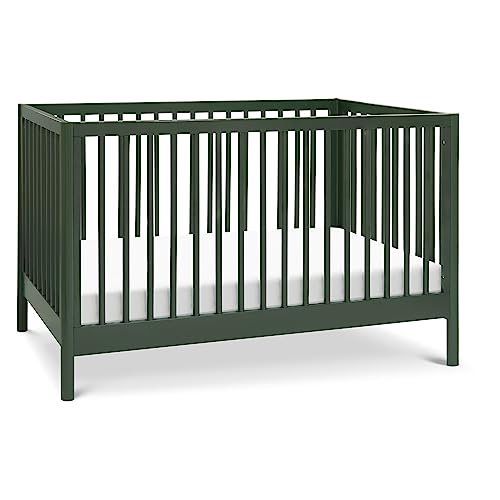
DaVinci Birdie 3-in-1 Convertible Crib
$179.00
- 3-in-1 Versatility: Easily converts from a crib to a toddler bed and daybed, saving you money and space.
- Adjustable Mattress Heights: With four positions, it accommodates your baby’s growth and keeps them safe as they start to sit and stand.
- Durable Construction: Crafted from solid sustainable New Zealand pine, designed to withstand the active play of toddlers and last into their teen years.
- Safety First: Lead and phthalate protected, exceeding ASTM International and U.S. CPSC safety standards for peace of mind.
- Eco-Friendly Choice: Made with non-toxic materials and contributes to cleaner indoor air quality.
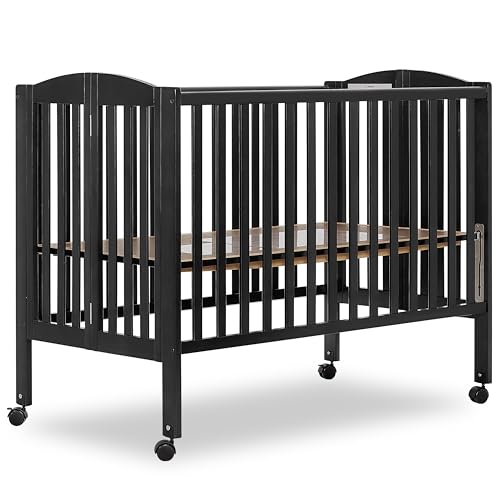
Dream On Me Full Size Crib
$194.88
- Space-Saving Design: Its 2-in-1 folding capability allows you to easily store it when not in use, making it perfect for apartments or smaller homes.
- Mobility: Lightweight and easy to maneuver, this crib can be moved around your home to suit your needs, whether it’s in your bedroom or the living room.
- Safety First: With its non-drop side design and dual safety hooded locking wheels, parents can feel confident that their baby is safe and secure while sleeping.
- Stylish Options: Choose from six elegant finish options to seamlessly blend with your nursery decor, allowing you to maintain your aesthetic without compromising on safety.
- Easy Assembly: All necessary tools for assembly are included, making the setup process straightforward and hassle-free.
As an Amazon Associate we earn from qualifying purchases. We only recommend products we'd use ourselves — we're never paid for placement.
Frequently Asked Questions
Is the smell from a new crib mattress harmful?
For most mattresses, the temporary “new” smell is the result of low-level VOC off-gassing that fades over time and isn’t considered harmful for a healthy baby, especially once you’ve aired it out. The smart move is simply to reduce exposure: unwrap and ventilate the mattress before your baby sleeps on it. If the odor is overpowering, doesn’t fade, or seems to trigger symptoms, treat that as a reason to investigate rather than push through.
How long should I air out a new baby mattress?
It depends on the material. A natural or certified low-VOC mattress may clear in a few hours to a couple of days. A conventional foam mattress benefits from several days up to a couple of weeks of airing in a ventilated space with a fan running. When in doubt, unwrap it early and let your nose guide you — once any smell is faint and steadily fading, it’s in good shape.
Which baby mattresses off-gas the least?
Mattresses made from natural materials — natural latex, organic cotton, and wool — generally off-gas the least and clear their mild scent the fastest. If you prefer or already own a foam mattress, look for low-VOC certifications like GREENGUARD Gold or CertiPUR-US, which verify the foam was tested for lower emissions. The material is your biggest lever, and certifications are a helpful second check.
Can I put my baby to sleep on a mattress that still smells a little?
Ideally, wait until the noticeable smell has mostly faded, since that tells you the heaviest off-gassing has passed. If you’re in a pinch and the scent is already faint, maximize ventilation in the nursery — crack a window, run a fan, and keep airflow moving. But whenever you can, plan ahead and air it out in advance so you’re not making that call at bedtime.
Take a breath, mama — you’re already doing the loving, careful thing just by asking, and that instinct will serve you and your little one well long after this mattress stops smelling new.
Angela's Recommended Resources
Guides and courses I personally recommend:
Most Popular
Baby Sleep Miracle
Proven gentle method to help your baby sleep through the night naturally. No cry-it-out, science-backed.
* Affiliate links. We may earn a commission at no extra cost to you.