- Angela’s Picks
- Shop by Age
- Shop by Category
- Shop by Values
- Montessori Toys
- Sensory Toys
- Teething Toys
- Wooden Toys
- Educational Toys
- Stacking & Sorting Toys
- Baby Bottles
- Sippy Cups
- Plates & Bowls
- Bibs
- Baby Utensils
- Deals
- High Chairs
- Breastfeeding & Nursing
- Snack Containers
- Crib Mattresses
- Bassinets
- Sleep Sacks & Swaddles
- Baby Blankets
- Baby Monitors
- Cribs & Nursery Furniture
- Baby Shampoo & Wash
- Baby Lotion & Oil
- Baby Sunscreen
- Bath Tubs & Seats
- Towels & Washcloths
- Diaper Cream & Balm
- Eco-Friendly Diapers
- Baby Wipes
- Potty Training
- Changing Pads
- Cloth Diapers
- Baby Thermometers
- Baby Proofing
- Baby Gates
- Humidifiers
- First Aid & Grooming
- Onesies & Bodysuits
- Sleepers & Pajamas
- Hats & Mittens
- Nursing Pads
- Breast Pumps & Accessories
- Postpartum Care
Are Foam Play Mats Safe? An Honest Look at EVA Foam & Formamide

Quick Answer
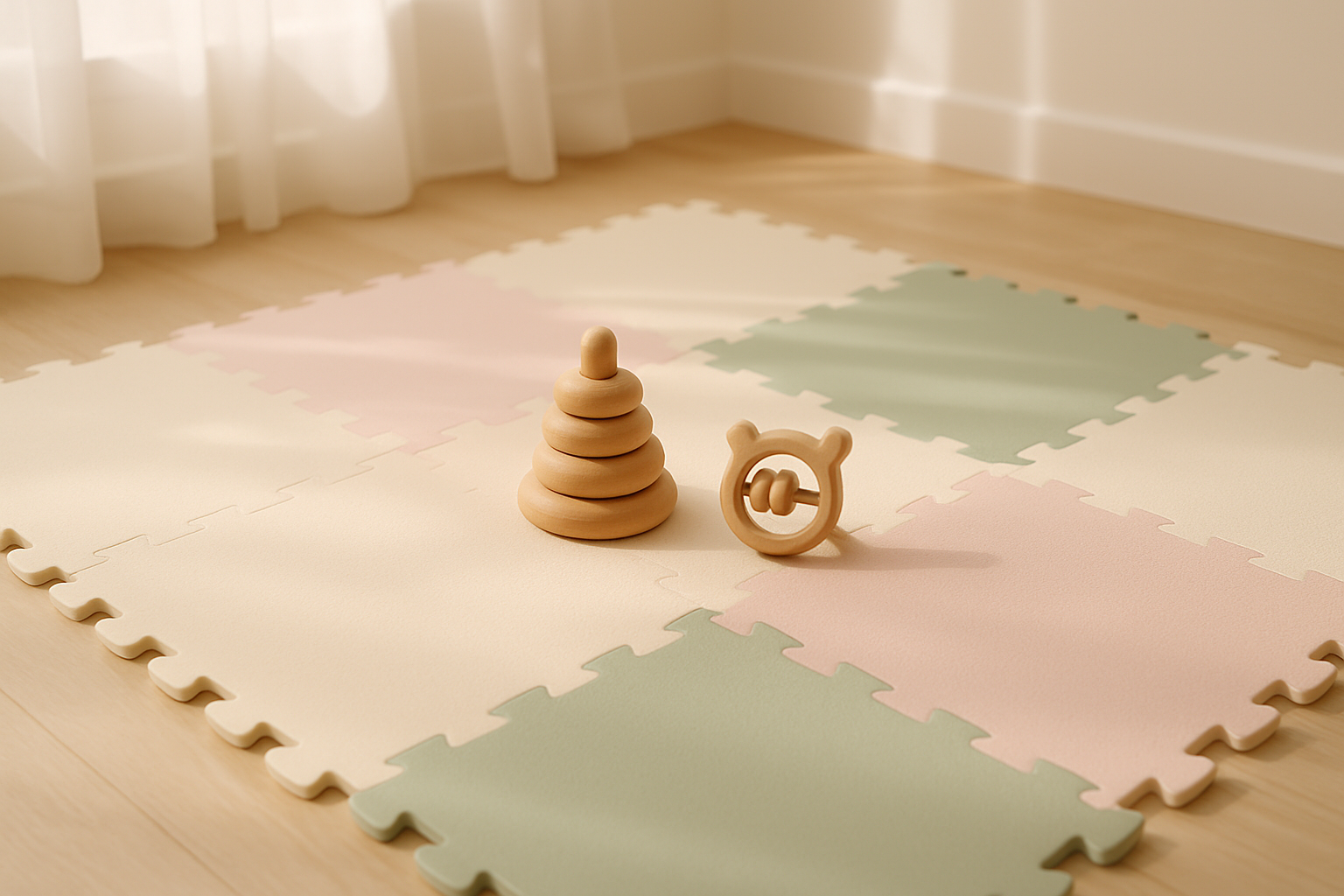
Are foam play mats safe? An honest mom's guide to EVA foam, formamide, that new foam smell, airing out a mat & choosing safer options.
If you’ve ever pulled a brand-new foam play mat out of its packaging, caught that strong chemical smell, and immediately wondered whether you should be putting your baby down on it — you’re not being paranoid. That instinct is worth listening to, and it’s exactly the kind of question I love digging into for you. So let’s answer it honestly.
Here’s the short version: foam play mats are generally considered safe for most families when you choose well. Millions of babies have rolled, crawled, and napped on them without issue. But “generally safe” doesn’t mean “nothing to know,” and I’m not going to hand-wave the real stuff. There are two legitimate things worth understanding before you buy: a softening chemical called formamide that can off-gas from some foam mats (it’s regulated above certain limits in the EU), and the broader question of overall material quality and odor. Once you understand both, you can pick a mat with confidence instead of vague worry.
What Is EVA Foam, Exactly?
EVA stands for ethylene-vinyl acetate. It’s the soft, lightweight, slightly squishy foam you’ll find in those interlocking puzzle-piece play mats, as well as in flip-flops, yoga blocks, and kids’ craft sheets. It’s popular for baby play mats because it’s cushiony enough to soften a tumble, water-resistant, easy to wipe clean, and inexpensive.
EVA itself is not considered a dangerous material in its finished form — it’s used in plenty of everyday products that touch skin. The concerns people raise aren’t usually about EVA the base material, but about what gets added during manufacturing and how well a particular mat is made. That distinction matters, because it’s the difference between “all foam is toxic” (not true) and “some foam mats are made better than others” (very true).
Baby Sleep Miracle
Help baby sleep through the night naturally
Get It →The Formamide Question — and Why That “New Foam Smell” Matters
Formamide is the one term I really want you to know, because it’s the legitimate concern at the center of the foam-mat conversation. It’s a chemical that can be used as a foaming or softening agent to give some EVA foam its light, airy texture. The issue is that formamide can off-gas — meaning it can release into the air as a vapor, especially when a mat is brand new and the material is still “curing.”
This isn’t fringe internet worry. Regulators in the European Union took it seriously enough to set limits on how much formamide is allowed in foam toys and play products, and to require that mats exceeding certain thresholds be aired out before sale or kept off the market. That’s genuinely useful information, because it tells you the concern is real but also manageable and well-studied — not a reason to panic.
So what about that strong “new foam smell”? A noticeable chemical odor is your cue that a mat is off-gassing something. It isn’t proof of formamide specifically — lots of new products have a manufacturing smell — but a strong, lingering, headache-y odor is worth respecting. The sensible takeaway: a mat that smells strongly straight out of the box shouldn’t go directly under your baby that same day. It should be aired out first.
How to Air Out (Off-Gas) a New Foam Mat
Airing out a new mat is the single easiest thing you can do to reduce your baby’s exposure to whatever a foam mat might release early in its life. It costs nothing and takes almost no effort — just a little patience before first use. Here’s how I’d do it:
- Unpack the mat completely and separate any interlocking tiles so air reaches every surface.
- Lay it out in a well-ventilated space — a garage, a spare room, or outdoors on a dry day — away from where your baby sleeps and plays.
- Open windows or run a fan to keep air moving across it.
- Give it several days to a couple of weeks if the smell is strong. Warmth and airflow speed things up.
- Do a sniff test before bringing it into your baby’s space. If there’s still a strong chemical odor after a good airing, trust your nose — that’s a sign of a lower-quality mat, and it may be worth returning.
A well-made mat often has little to no smell to begin with, which brings us to the most important part: choosing a better mat from the start.
How to Choose a Safer Play Mat
You don’t need a chemistry degree to shop smart here. A few practical filters will steer you toward the better-made options and away from the bargain-bin mats that tend to cause problems:
- Look for “formamide-free” claims. Reputable foam-mat makers now often state this directly. It’s the single most relevant label for this specific concern.
- Favor low-odor or no-odor mats. Reviews are gold here — if dozens of parents mention a strong lasting smell, believe them.
- Check for independent non-toxic testing. Look for genuine third-party safety testing against recognized children’s-product standards, rather than vague “eco” or “natural” words with nothing behind them.
- Be skeptical of unbranded, ultra-cheap mats. Price isn’t everything, but rock-bottom foam with no brand, no testing info, and no return policy is where the worst odor complaints tend to cluster.
- Match the material to your comfort level. If foam still doesn’t sit right with you, that’s a perfectly valid reason to choose a fabric-based mat instead (more on that below).
- Always air it out first — regardless of how good the mat is, a pre-use airing is a free safety margin.
Non-Foam Alternatives Worth Considering
If you’d simply rather skip foam, you have lovely options — and they tend to fit beautifully into a non-toxic, natural-materials home.
- Organic cotton play mats and quilts. Soft, washable, breathable, and free of the off-gassing question entirely. They’re less cushioned than thick foam, so pair them with carpet or a rug for extra padding on hard floors.
- Wool mats and pads. Naturally cushioning, temperature-regulating, and durable. Wool is a wonderful natural fiber, though it’s usually a higher-investment choice.
- Natural rubber mats. Some play mats use natural rubber instead of synthetic foam for cushioning. (One note: if your family has a latex allergy, natural rubber is one to avoid.)
None of these is automatically “safer than foam” in every way — each has trade-offs in cushioning, price, and care. The right pick is the one that matches your floors, your budget, and your peace of mind.
However you land, the goal is the same: a clean, comfortable spot for tummy time, rolling, and those first wobbly crawls. If you’d like a hand narrowing things down, the gentle, screened picks in our toys & learning collection and our health & safety collection are chosen with exactly these questions in mind. And if you’re deep in the research-everything stage of parenthood (I see you), our parenting resources hub has more honest guides like this one.
Safer Play Mats We Recommend
| Product | Best For | Price | |
|---|---|---|---|
| Gerber Baby Girls' 4 Pack Sleep 'N Play | Best Overall | $25.95 | View |
| Montessori Farm Animals Toys Set for Toddlers, 20 | Best Value | $24.99 | View |
| Swimways Bluey Floatin' Figures Pool Toys for Kids | Editor's Pick | $9.99 | View |
| Friction Powered Cars Set of 4 Construction Vehicles | Great Choice | $19.99 | View |
| Melissa & Doug Shape Sorting Cube - Wooden | Great Choice | $16.29 | View |
| CÉLLOT 40-Piece Girls Hair Bows Set | Great Choice | $9.97 | View |
BEST OVERALL 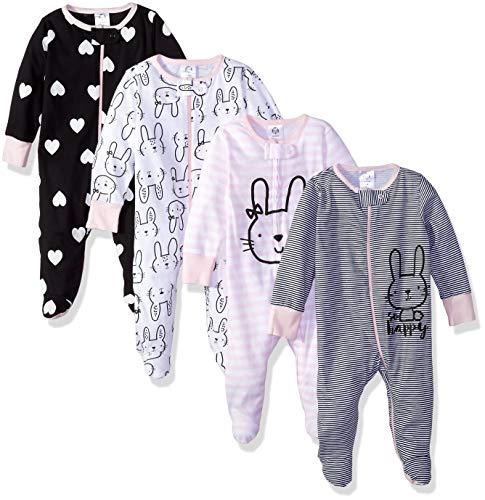
Gerber Baby Girls' 4 Pack Sleep 'N Play Footie
$25.95
- Soft and breathable fabric that keeps baby comfortable all day long.
- Convenient snap closures for quick diaper changes, ideal for busy parents.
- Adorable designs that make your little one look even cuter during sleep or play.
- Durable construction that withstands multiple washes without losing shape or softness.
- Footed design to keep tiny toes warm and cozy, perfect for cooler days.
BEST VALUE 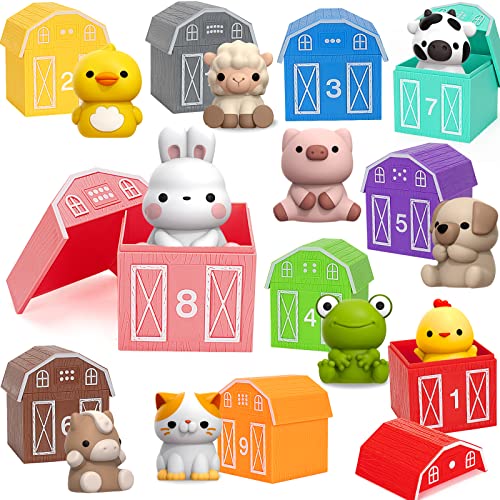
Montessori Farm Animals Toys Set for Toddlers, 20 Pcs
$24.99
- Engaging Play: Each farm animal is designed to captivate toddlers' imaginations, encouraging interactive playtime.
- Fine Motor Development: The animals double as finger puppets, enhancing hand-eye coordination and dexterity through imaginative play.
- Montessori Learning: With numbered barn lids and corresponding dots, children can explore counting, color recognition, and sorting through hands-on activities.
- Safe Materials: Constructed from lightweight, odorless vinyl and child-friendly plastic, these toys ensure worry-free playtime.
- Perfect Gift: This set makes for a thoughtful gift for any occasion, encouraging learning and fun from the very start.
EDITOR'S PICK 
Swimways Bluey Floatin' Figures Pool Toys for Kids 3+
$9.99
- Durable and Fun: These figures are built to withstand the rigors of pool play, ensuring that they won't sink or break easily, making them a perfect addition to your poolside fun.
- Collectible Characters: Kids can collect all the Bluey Floatin' Figures to create their own Heeler squad, fostering imaginative play and storytelling.
- Versatile Play: Not just for the pool! These toys can also be enjoyed at the beach, lake, or even in dry settings, promoting hours of creative role-playing.
- Portable Joy: Lightweight and easy to carry, they make for fantastic pool party favors or travel companions to keep your little ones entertained.
- Themed Gifting: These figures are perfect for birthdays or Bluey-themed parties, delighting any young fan with a vibrant and engaging gift.

Friction Powered Cars Set of 4 Construction Vehicles Toys
$19.99
- Battery-free fun: These friction-powered vehicles do not require batteries, making them easy for children to operate independently.
- Promotes physical development: Pushing the cars helps develop fine motor skills and hand-eye coordination as kids race them around.
- Encourages imaginative play: With four distinct trucks, children can create their own construction sites, fostering creativity and storytelling.
- Bright and engaging colors: The vibrant designs not only attract kids' attention but also aid in visual development and color recognition.
- Safe and sturdy: Made from durable, non-toxic plastic, these toys can withstand the energetic play of toddlers while ensuring a safe play environment.
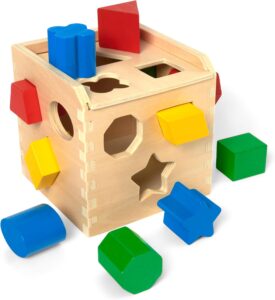
Melissa & Doug Shape Sorting Cube - Wooden Classic Toy
$16.29
- Encourages Cognitive Development: This toy promotes essential skills such as shape and color recognition, fostering early learning in a playful setting.
- Interactive Play: The satisfying ‘clunk’ sound each shape makes as it drops into the cube keeps children engaged and entertained.
- Durable Construction: Made from high-quality hardwood, this shape sorter is designed to withstand the rigors of toddler play, ensuring long-lasting enjoyment.
- Perfect for Screen-Free Fun: This toy offers a creative alternative to screen time, encouraging hands-on exploration and imaginative play.
- Nostalgic Design: This modern classic has an appealing retro charm, making it a delightful addition to any child’s toy collection.
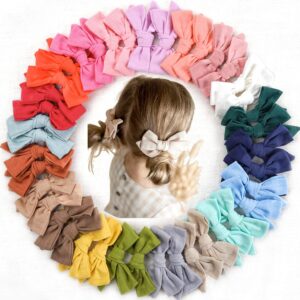
CÉLLOT 40-Piece Girls Hair Bows Set
$9.97
- Variety of Colors: With 40 different bows, your child can match her hair accessories to any outfit, promoting self-expression and creativity.
- Gentle Alligator Clips: The clips are designed to hold securely without tugging or pulling on hair, making them comfortable for all-day wear.
- Versatile Use: Perfect for everyday fun, special occasions, or playdates, these bows add a delightful touch to any hairstyle.
- Safe Materials: Crafted from eco-friendly materials, parents can feel good about their kids wearing these bows.
- Durable Design: The high-quality craftsmanship ensures these bows can withstand the wear and tear of active play.
As an Amazon Associate we earn from qualifying purchases. We only recommend products we'd use ourselves — we're never paid for placement.
Frequently Asked Questions
Is the smell from a new foam mat dangerous?
A faint manufacturing smell that fades quickly is common with many new products and generally not a cause for alarm. What deserves more respect is a strong, lingering chemical odor — that’s a sign of meaningful off-gassing and lower-quality material. You don’t need to panic, but you also shouldn’t put your baby straight onto a mat that reeks. Air it out first, and if a heavy smell won’t go away after a thorough airing, return it.
How long should you air out a foam play mat?
There’s no single magic number, because it depends on the mat and how strong the odor is. As a practical rule, give a new mat at least a few days of ventilation before first use, and up to a couple of weeks if it still smells. Warmth and good airflow help it cure faster. Let your nose be the final judge — once it’s essentially odorless, it’s ready.
Are foam play mats or fabric play mats safer?
Neither is automatically safer across the board. A well-made, formamide-free, properly aired foam mat is a reasonable, safe choice for most families. Fabric mats — like organic cotton or wool — sidestep the off-gassing question entirely, which is why some parents prefer them, but they offer less cushioning and often cost more. It comes down to which set of trade-offs fits your home and your comfort level.
Does formamide-free mean a foam mat is completely safe?
“Formamide-free” addresses the most-discussed specific concern, which is great — but it’s one factor, not a magic guarantee. Overall build quality, honest third-party testing, and low odor still matter. Think of formamide-free as an important green flag to look for, alongside the other choosing tips above, rather than the only box to check.
At the end of the day, you know your baby and your gut better than any label does — so trust your nose, choose with care, and give yourself permission to feel good about whatever you pick. You’ve got this. — Angela
Angela's Recommended Resources
Guides and courses I personally recommend:
Most Popular
Baby Sleep Miracle
Proven gentle method to help your baby sleep through the night naturally. No cry-it-out, science-backed.
Children Learning Reading
Phonics-based reading program for young children. Simple 15-minute daily lessons that work.
* Affiliate links. We may earn a commission at no extra cost to you.