- Angela’s Picks
- Shop by Age
- Shop by Category
- Shop by Values
- Montessori Toys
- Sensory Toys
- Teething Toys
- Wooden Toys
- Educational Toys
- Stacking & Sorting Toys
- Baby Bottles
- Sippy Cups
- Plates & Bowls
- Bibs
- Deals
- Baby Utensils
- High Chairs
- Breastfeeding & Nursing
- Snack Containers
- Crib Mattresses
- Bassinets
- Sleep Sacks & Swaddles
- Baby Blankets
- Baby Monitors
- Cribs & Nursery Furniture
- Baby Shampoo & Wash
- Baby Lotion & Oil
- Baby Sunscreen
- Bath Tubs & Seats
- Towels & Washcloths
- Diaper Cream & Balm
- Eco-Friendly Diapers
- Baby Wipes
- Potty Training
- Changing Pads
- Cloth Diapers
- Baby Thermometers
- Baby Proofing
- Baby Gates
- Humidifiers
- First Aid & Grooming
- Onesies & Bodysuits
- Sleepers & Pajamas
- Hats & Mittens
- Nursing Pads
- Breast Pumps & Accessories
- Postpartum Care
Best Non-Toxic Teethers Buying Guide: How to Choose Safe Materials

Quick Answer
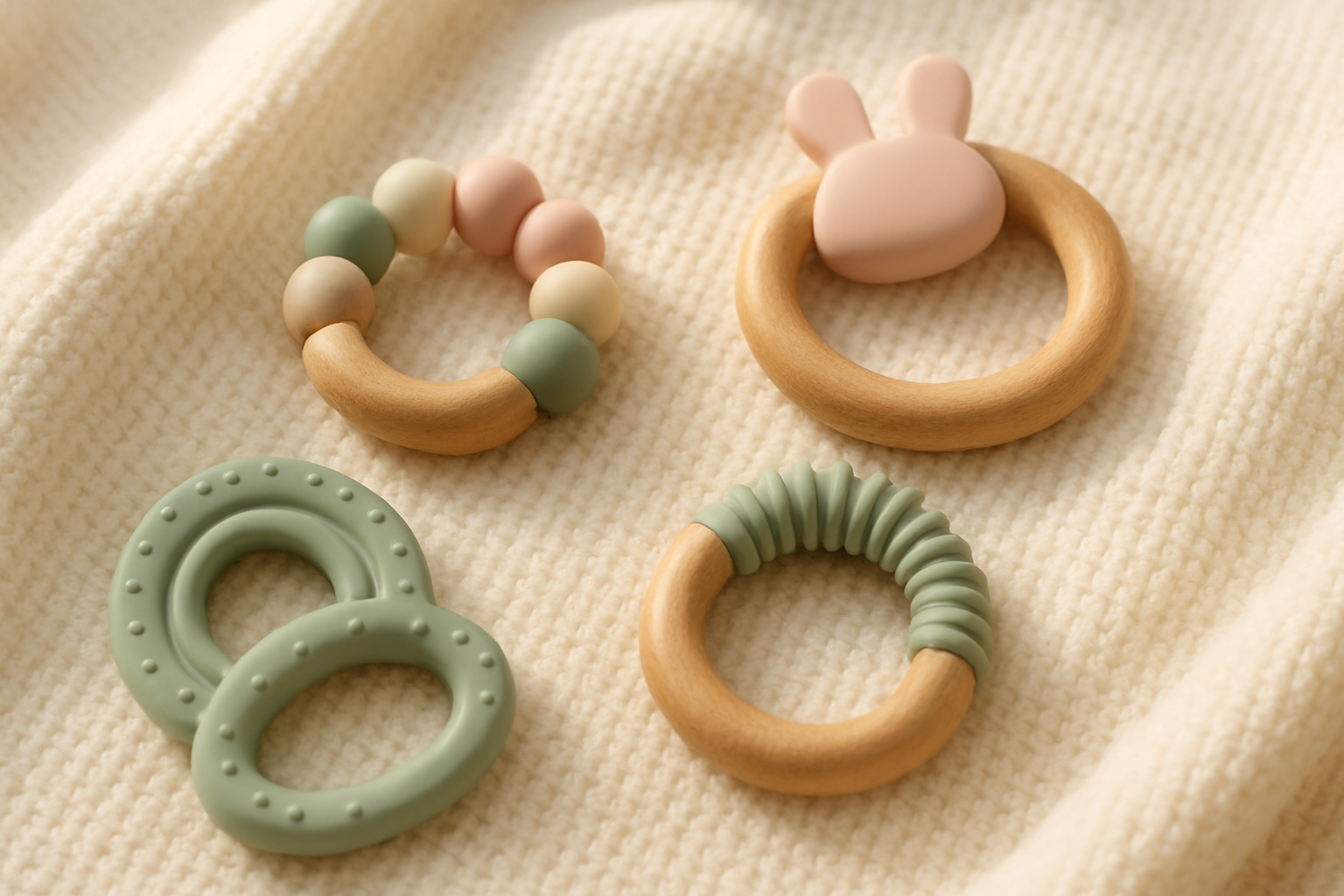
Our non toxic teethers buying guide covers safe materials — food-grade silicone, natural rubber, untreated wood — plus what to avoid: BPA, PVC, and gel fill.
The safest non toxic teethers are made from food-grade silicone, natural rubber, or untreated wood with plant-based finishes — and free of BPA, PVC, phthalates, and lead. That’s the short answer, and if it’s all you have time for, you already know more than most of the marketing you’ll scroll past. Here’s the reasoning behind it: a teether is the one baby product designed to live inside your baby’s mouth, all day, every day, for months. It gets gummed, drooled on, dropped, and gummed again. So unlike a stroller or a swing, where features matter most, with a teether the material is the product. Get the material right and almost everything else falls into place.
A genuinely safe teether comes down to a few non-negotiables. It should be one solid piece (or firmly fused parts) with no small bits that could detach and become a choking hazard. It should have no liquid or gel fill, because that fill can leak if the surface is punctured by a new tooth. It should skip painted or lacquered finishes in favor of nothing at all, or a food-safe plant-based oil. And it should be large enough that it physically cannot pass into the throat. That’s the whole framework. Below, I’ll walk through each material we trust, the ones we steer families away from, how design keeps things choke-safe, and how to actually clean each type without wrecking it.
The Safest Teether Materials
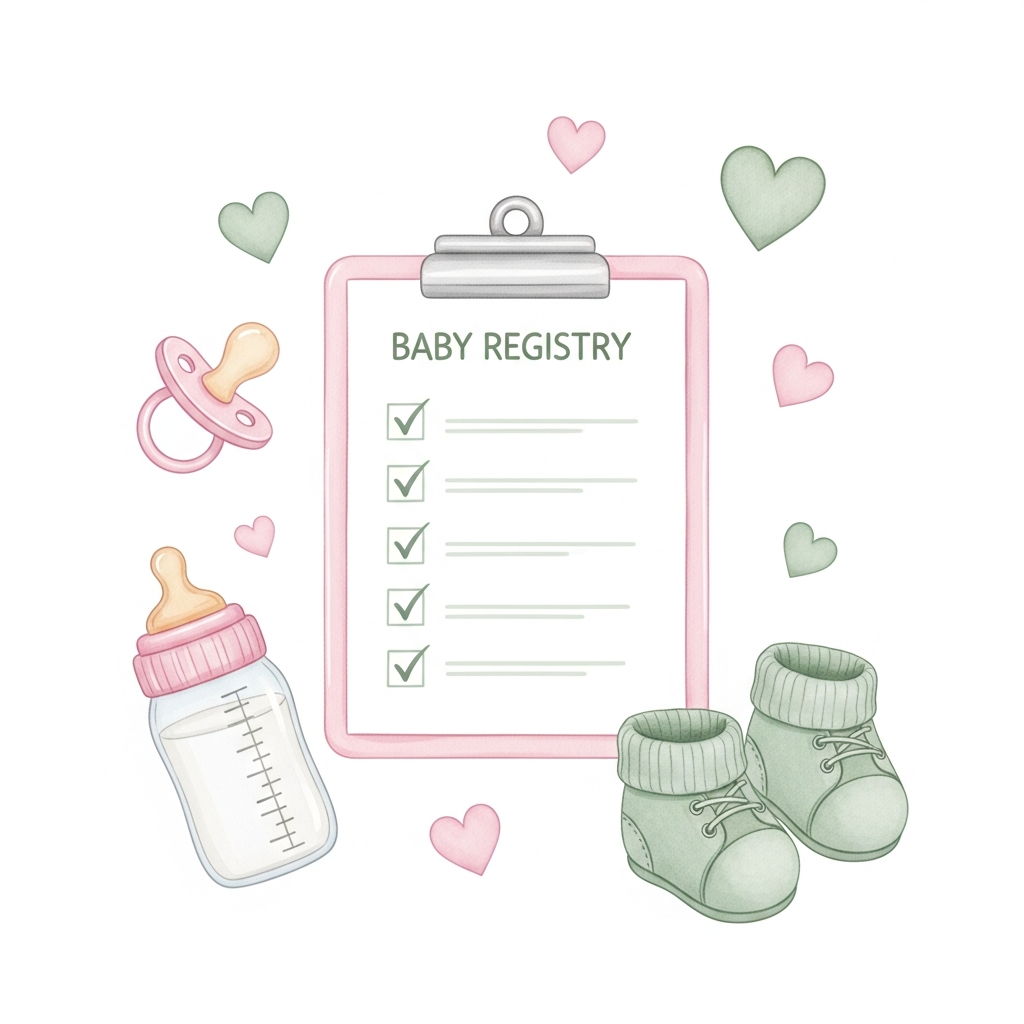
Three materials do the heavy lifting in the non-toxic teether world, and each has its own personality.
Food-grade silicone. This is the workhorse. Good silicone is soft enough to soothe sore gums, springs back to shape, doesn’t harbor odors, and shrugs off boiling water for sanitizing. Look specifically for the words “food-grade” or “medical-grade” silicone — that language signals the maker is thinking about what touches the mouth, not just what looks cute. A quick at-home tell for cheap filler: pinch and twist a hidden spot. If a white streak appears, the silicone may be cut with lower-grade material, and I’d pass. Silicone is naturally free of BPA and phthalates, which is a big part of why it’s become the default for mouth-safe baby gear.
Baby Sleep Miracle
Help baby sleep through the night naturally
Get It →Natural rubber. The classic one-piece rubber teether has been around for generations, and for good reason. It’s harvested from the sap of the rubber tree, so it’s plant-derived and fully vegan — which matters a lot to families in our community. It’s pleasantly soft, warms to the touch, and molds are typically cast in one seamless piece with no glued parts. One honest caveat: natural rubber is a form of latex. For the vast majority of babies this is a total non-issue, but if there’s a known latex allergy in your family, mention it to your pediatrician and lean toward silicone or wood instead.
Untreated or organic wood. Wooden teethers are beautiful, naturally firm for babies who want counter-pressure, and inherently free of the plastics conversation entirely. The two things to verify: that the wood is a hardwood like maple or beech (dense, less likely to splinter), and that any finish is a food-safe plant-based oil rather than a varnish, lacquer, or paint. Many of the loveliest wooden options are simply sanded smooth and left bare, which is exactly what you want. A quick note for our vegan families — some wooden teethers are finished with beeswax, which we skip; look for ones sealed with a plant oil or left unfinished.
What to Avoid
Knowing what to skip is half the battle, and a few red flags let you eliminate a lot of options fast.
- PVC and vinyl. Soft, squishy plastic is often PVC, which historically relied on phthalate softeners. If a listing won’t clearly tell you the material, treat that silence as an answer and move on.
- Gel- or liquid-filled teethers. The freezer-gel kind can leak if a sharp new tooth punctures the surface. A solid one-piece design removes that risk entirely — and you can still chill a silicone or rubber teether in the fridge for the same soothing effect.
- Painted, lacquered, or varnished finishes. Anything glossy and coated on a surface headed for the mouth is worth questioning. Bare wood or food-safe plant oil is the safer route.
- Small detachable parts. Clip-on beads, snap-off rings, or decorative bits that can pop loose are a choking concern. Favor one continuous piece.
- Vague “non-toxic” claims with no material named. The word alone isn’t regulated. What you actually want is a named material — silicone, natural rubber, maple — you can evaluate on its own terms.
If you want to go deeper on how we think about mouthing-age products in general, our non-toxic toys safety guide unpacks the same materials logic across the whole toy shelf.
Design & Choke Safety
Once the material passes, design is the next filter, and it mostly comes down to shape and size. The gold standard is a one-piece build with no seams that can split and no components that can work themselves loose. Size is the quiet hero here: a teether needs to be big enough that it simply can’t fit fully into a baby’s mouth. As a rough home check, if an object can pass through a cardboard toilet-paper tube, it’s small enough to be a choking risk. Teethers should be comfortably larger than that.
I also love designs that give little hands something to grip — a ring, a loop, an easy-to-hold shape — because a teether baby can actually hold is a teether that does its job. Skip long cords or ribbons for attaching teethers to cribs or car seats; anything that loops around a neck is a strangulation concern. If you like keeping a teether tethered to a highchair, use a short, purpose-made clip rated for the job and only under supervision. You’ll find our full lineup of mouth-safe options in the toys & learning and health & safety collections.
Cleaning by Material
A teether is only as safe as it is clean, and each material likes to be cared for a little differently. Getting this right also makes them last through teething’s long haul.
- Silicone. The easiest to sanitize. Most food-grade silicone teethers can be washed in warm soapy water, boiled for a few minutes, or run through the dishwasher’s top rack. Always confirm the maker’s heat guidance first, then let it fully air-dry.
- Natural rubber. The one exception to the “submerge and boil” rule. Rubber doesn’t love prolonged soaking or boiling, which can break it down and shorten its life. Instead, wipe it with a cloth dampened in warm soapy water, rinse the cloth, wipe again, and dry thoroughly.
- Wood. Never soak or boil wood — it swells, cracks, and can raise the grain. Wipe with a barely-damp cloth, dry right away, and if the surface starts to look dry over time, refresh it with a food-safe plant oil.
Across every material, inspect regularly. At the first sign of a tear, split, crack, or a piece starting to separate, retire the teether. Damaged surfaces are harder to clean and can create small parts that weren’t there when it was new.
A quick safety note before we get to picks: teething relief is a supervised activity. Give a teether while your baby is awake and within sight, keep it out of the crib during sleep, and follow the age guidance on the packaging. If your little one is uncomfortable enough that you’re reaching for anything beyond a clean teether and a chilled cloth, check in with your pediatrician — they know your baby best. And if you’re also weighing soothing tools for fussy moments, our roundup of the best non-toxic pacifiers and teethers is a helpful companion read.
Below are the non-toxic teethers that passed our screen.
Non-Toxic Teethers We Love
| Product | Best For | Price | |
|---|---|---|---|
| Itzy Ritzy Itzy Lovey with Teether - Highland | Best Overall | $12.99 | View |
| Dr. Brown's Baby Teether, BPA Free, 3m+ | Best Value | $5.34 | View |
| Dr. Brown's AquaCool Water-Filled Baby Teether, 2 Pack | Editor's Pick | $6.99 | View |
| ROBBEAR Baby Teething Toy - Silicone Fire TV | Great Choice | $5.50 | View |
| Happy Family Organic Teethers Organic Teething Wafers | Great Choice | $9.99 | View |
| BEBECAN Teething Sticks for Babies - Soft Silicone | Great Choice | $9.99 | View |
BEST OVERALL 
Itzy Ritzy Itzy Lovey with Teether - Highland Cow
$12.99
- Soft and Plush: Made from ultra-soft sherpa and minky fabric, it’s perfect for snuggling and comforting your little one.
- Teething Relief: The textured silicone teether helps soothe sore gums, making it a must-have during those challenging teething phases.
- Sensory Exploration: Textured ribbons and crinkle material engage babies’ senses, promoting tactile and auditory development.
- Interactive Design: The playful dangle arms invite babies to reach and play, enhancing their motor skills and curiosity.
- Versatile Use: Suitable for playtime, nap time, or soothing moments, this lovey is a versatile companion for your baby.
BEST VALUE 
Dr. Brown's Baby Teether, BPA Free, 3m+
$5.34
- 3-in-1 functionality: Effectively soothes during all stages of tooth development.
- Fun cactus shape: Designed to safely reach all areas of the mouth, making teething a playful experience.
- Easy to clean: Top-rack dishwasher and sterilizer safe for hassle-free maintenance.
- Durable and soft: Made from high-quality silicone, ensuring it's gentle on delicate gums.
- Lightweight and easy to grasp: Perfectly sized for tiny hands, encouraging independent exploration.
EDITOR'S PICK 
Dr. Brown's AquaCool Water-Filled Baby Teether, 2 Pack
$6.99
- Quick cooling relief: The water-filled interior provides an immediate cooling sensation, helping to soothe inflamed gums.
- Durable design: Made for even the toughest chewers, the firm surfaces resist wear and tear, making it a long-lasting teething companion.
- Engaging shapes: Featuring bright colors and playful Pineapple and Apple designs, it grabs your baby’s attention and stimulates their senses.
- Easy to grip: The solid leaves are designed for tiny hands to hold comfortably, even when chilled, promoting independent exploration.
- Hygienic and easy to clean: Simply hand wash the teether in warm, soapy water to keep it safe and ready for use.

ROBBEAR Baby Teething Toy - Silicone Fire TV Remote Teether
$5.50
- Made from food-grade silicone that is BPA-free, ensuring a safe chewing experience for your baby.
- Soft and flexible material reduces the risk of oral injuries while effectively soothing teething discomfort.
- Bright colors and various textures engage your baby’s senses and stimulate their tactile development.
- Compact size (1.7"×5.5") is easy for little hands to grasp, promoting hand-eye coordination.
- Can double as an ice cube mold for fun sensory experiences during hot days.

Happy Family Organic Teethers Organic Teething Wafers
$9.99
- Gentle on Gums: The soft texture of these wafers dissolves easily, making them a safe choice for your baby's tender gums.
- Organic Ingredients: Crafted from jasmine rice flour and organic fruits and vegetables, these wafers are free from artificial flavors, ensuring a clean snack for your baby.
- First Snack Experience: They're designed to be the perfect introductory snack, helping your baby transition to solid foods with ease.
- Convenient and Portable: These wafers are easy to take on the go, making snack time hassle-free whether you’re at home or out and about.
- Happy Tummies: Many parents report that their little ones love the taste, resulting in happy faces and satisfied bellies!

BEBECAN Teething Sticks for Babies - Soft Silicone Teethers
$9.99
- Instant Relief: The unique textured design effectively targets your baby’s sore gums, providing immediate comfort.
- Soft and Gentle: Made from food-grade silicone, these teethers are soft enough for delicate gums while also discouraging thumb-sucking and nail-biting.
- Easy to Clean: Each teether comes with three brushes that make internal cleaning hassle-free, ensuring that your baby’s toy remains hygienic.
- Perfect for Tiny Hands: The contoured design fits snugly in your baby’s grasp, making it easy for them to hold and chew.
- Safety First: BPA-free and temperature resilient, these teethers are made with your child’s safety in mind.
As an Amazon Associate we earn from qualifying purchases. We only recommend products we'd use ourselves — we're never paid for placement.
Frequently Asked Questions
Are silicone teethers safe for babies?
Food-grade or medical-grade silicone is one of the most reliably mouth-safe materials for teethers. It’s naturally free of BPA and phthalates, easy to sanitize, and soft on sore gums. Just choose a one-piece design with no gel fill, and confirm the material is clearly labeled “food-grade” rather than an unspecified “silicone.”
Are natural rubber teethers vegan?
Yes. Natural rubber is harvested from the sap of the rubber tree, so it’s entirely plant-derived and vegan-friendly. The one thing to know is that natural rubber is a type of latex, so if there’s a known latex allergy in your family, ask your pediatrician and consider silicone or untreated wood instead.
Should I avoid gel or liquid-filled teethers?
We steer families away from them. A fill can leak if a new tooth punctures the surface, and you don’t always know what that fill is. A solid one-piece silicone or rubber teether gives you the same soothing chill straight from the fridge, without the leak risk.
How do I clean a wooden teether?
Never soak or boil it. Wipe wooden teethers with a barely-damp cloth and dry them immediately so the wood doesn’t swell or crack. If the surface starts looking dry over the months, refresh it with a food-safe plant oil to keep the grain smooth and sealed.
Teething is one of those seasons that feels endless while you’re in it and then, one day, it’s simply over. Choosing a teether you trust — the right material, a smart one-piece design, an easy clean — takes one worry off your plate so you can focus on the sweeter parts. Pick something honest, keep it clean, watch those little gums, and you’re doing beautifully. You’ve got this, and we’re right here whenever you need a second opinion.
Angela's Recommended Resources
Guides and courses I personally recommend:
Most Popular
Baby Sleep Miracle
Proven gentle method to help your baby sleep through the night naturally. No cry-it-out, science-backed.
Children Learning Reading
Phonics-based reading program for young children. Simple 15-minute daily lessons that work.
* Affiliate links. We may earn a commission at no extra cost to you.