- Angela’s Picks
- Shop by Age
- Shop by Category
- Shop by Values
- Montessori Toys
- Sensory Toys
- Teething Toys
- Wooden Toys
- Educational Toys
- Stacking & Sorting Toys
- Baby Bottles
- Sippy Cups
- Plates & Bowls
- Bibs
- Baby Utensils
- Deals
- High Chairs
- Breastfeeding & Nursing
- Snack Containers
- Crib Mattresses
- Bassinets
- Sleep Sacks & Swaddles
- Baby Blankets
- Baby Monitors
- Cribs & Nursery Furniture
- Baby Shampoo & Wash
- Baby Lotion & Oil
- Baby Sunscreen
- Bath Tubs & Seats
- Towels & Washcloths
- Diaper Cream & Balm
- Eco-Friendly Diapers
- Baby Wipes
- Potty Training
- Changing Pads
- Cloth Diapers
- Baby Thermometers
- Baby Proofing
- Baby Gates
- Humidifiers
- First Aid & Grooming
- Onesies & Bodysuits
- Sleepers & Pajamas
- Hats & Mittens
- Nursing Pads
- Breast Pumps & Accessories
- Postpartum Care
Is Calendula Safe for Babies? A Gentle Skincare Guide

Quick Answer
Is calendula safe for babies? Yes—this marigold botanical soothes dry skin & diaper irritation. Patch-test tips, fragrance-free & vegan plant-wax picks.
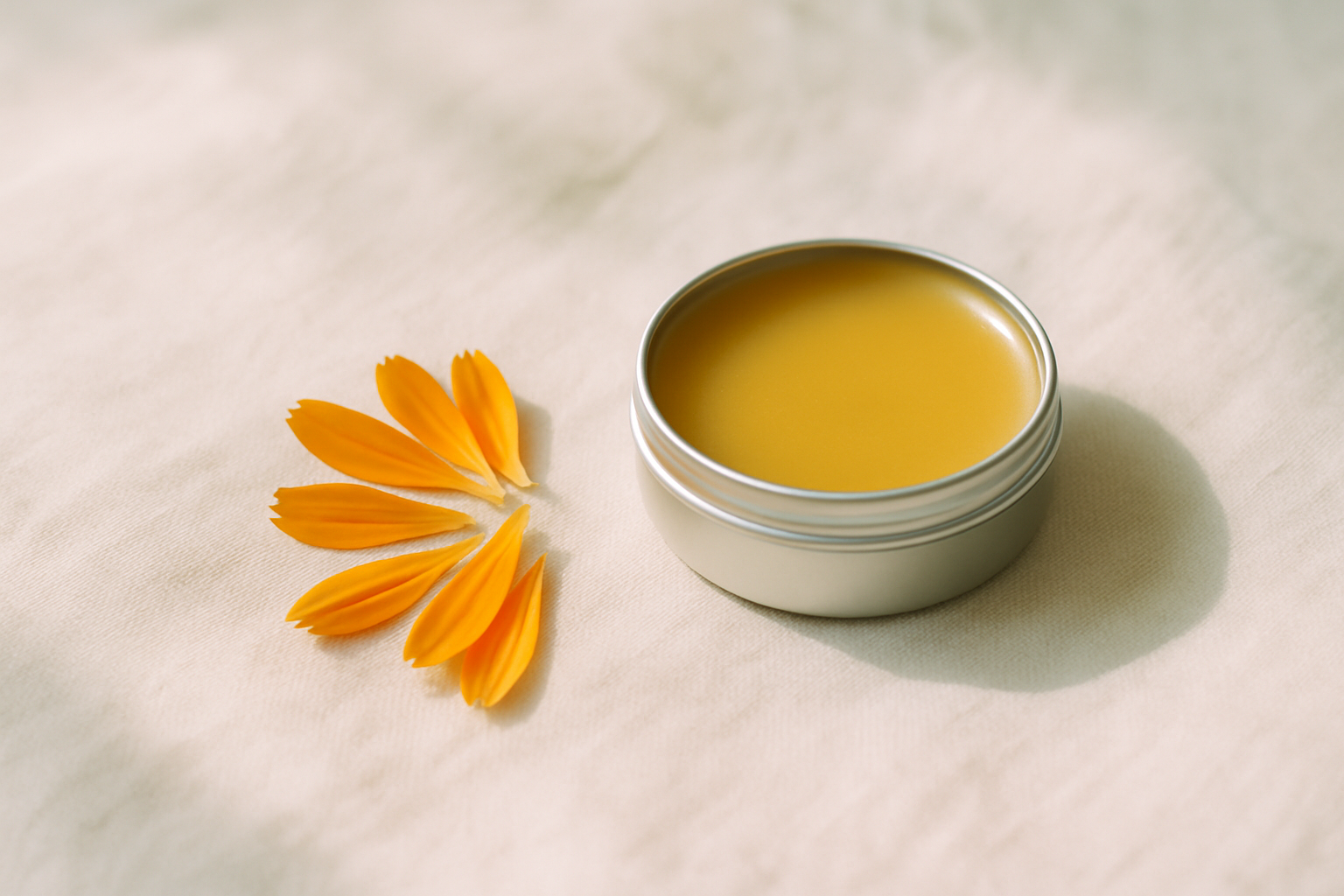
If you’ve been eyeing that soft orange balm on the shelf and wondering, is calendula safe for babies, here’s the short, reassuring answer: yes, generally it is. Calendula is an extract of the marigold flower (specifically Calendula officinalis), and it’s one of the most widely used plant-derived botanicals in gentle baby balms and creams. Parents reach for it to soothe dry patches, chapped cheeks, and the kind of everyday diaper-area redness that comes with the territory. It’s plant-based, it’s time-tested, and it tends to be very well tolerated on delicate newborn skin.
That said, “generally safe” comes with a couple of thoughtful caveats worth knowing before you slather it on. Calendula belongs to the same botanical family (Asteraceae) as daisies, ragweed, and chrysanthemums, so if your little one has a known family history of those allergies, a quick patch test is smart. You’ll also want to choose a fragrance-free formula, since added scent—not the calendula itself—is usually the ingredient most likely to irritate. And here’s the one that trips up a lot of vegan families: calendula the plant is 100% vegan, but calendula balms are very often made with beeswax. If you’re keeping things plant-based, you’ll want a version made with candelilla or carnauba wax instead. We’ll walk through all of it below so you can shop with total confidence.
What Calendula Actually Is (and Why It’s in So Many Baby Balms)
Calendula is an infusion or extract made from the bright golden-orange petals of the pot marigold. For centuries, it’s been a go-to botanical in traditional skincare, and it earned its spot honestly—it’s gentle, soothing, and comforting on skin that’s feeling dry or a little raw. In modern baby products, you’ll usually see it as “calendula extract,” “Calendula officinalis flower extract,” or as a calendula-infused oil (often infused into olive, sunflower, or coconut oil).
Because it’s a plant, calendula fits beautifully into a non-toxic, minimal-ingredient routine—which is exactly why we love steering parents toward it over synthetic-heavy alternatives. It plays well in short, clean ingredient lists, and it pairs naturally with other soothing botanicals like chamomile and shea. When you’re reading a label, calendula near the top of a short list is usually a very good sign.
Common Ways Parents Use Calendula on Baby
Calendula is wonderfully versatile, which is part of why it shows up in so many nursery cabinets. Here are the everyday uses that make it such a staple:
- Diaper-area comfort: Calendula balms are a favorite for calming the ordinary redness and chapping that come with wet diapers. A thin layer at changes creates a gentle, soothing barrier.
- Dry, flaky skin: Those little dry patches on cheeks, elbows, and shins? A dab of calendula cream helps soften and comfort them.
- Cradle cap support: Many parents gently massage a calendula-infused oil into the scalp to help loosen the flaky buildup of cradle cap before a bath, then softly brush it away.
- Post-bath moisture: A light application after a warm bath helps skin hold onto moisture, especially in dry-air winter months.
A simple rule of thumb: use a small amount, apply it to clean skin, and give it a moment to absorb. You don’t need to layer it on thickly for it to do its job. If you want to go deeper on building a full gentle routine, our guide to the best organic baby skincare walks through what to look for start to finish.
The Allergy Nuance: When to Patch-Test First
Here’s the honest, non-alarmist truth: true calendula allergies are uncommon, but they aren’t impossible. Because calendula is in the Asteraceae (daisy) family—alongside ragweed, chamomile, and chrysanthemums—a baby with a known sensitivity to those plants could theoretically react to calendula too.
The easy safeguard is a patch test. Dab a tiny amount on a small area, like the inside of the forearm, and wait about 24 hours. If you don’t see redness, bumps, or irritation, you’re very likely in the clear to use it more broadly. This is a good habit with any new baby product, not just calendula—newborn skin is still figuring out the world, and a quick test gives you peace of mind. If you ever notice a reaction, simply stop use and check in with your pediatrician.
The Vegan Catch: Calendula vs. Beeswax Balms
This is the detail we care about most here, because it’s so easy to miss. The calendula itself is a flower—fully plant-based and vegan. But the balm it’s carried in needs a wax to hold that solid, glide-on texture, and the default choice for a lot of brands is beeswax. That instantly makes an otherwise-botanical product non-vegan.
The good news: you have genuinely lovely plant-based alternatives. Look for candelilla wax (from the candelilla shrub) or carnauba wax (from palm leaves). Both deliver that same protective, balmy feel without any animal-derived ingredients. When you’re scanning a label, the calendula can be front and center—just flip to the wax and make sure it says candelilla or carnauba rather than beeswax. If you want the full breakdown on why we steer clear of the latter, our explainer on whether beeswax is safe for babies covers the safety-versus-vegan distinction in detail. For soft-textured leave-on options, our roundup of the best non-toxic baby lotion picks is a great companion read.
One More Reminder: Go Fragrance-Free
If there’s a single tip that prevents the most irritation, it’s this: choose fragrance-free. Added scent—whether it’s labeled “fragrance,” “parfum,” or even a heavy dose of essential oils—is far more likely to bother baby’s skin than the calendula ever would. A quality calendula balm has a faint, naturally earthy-floral note all on its own; it doesn’t need anything added. When the label reads “fragrance-free” and the ingredient list is short, you’re looking at exactly the kind of gentle formula we screen for.
Below are the gentle, plant-based calendula and botanical balms that passed our screen.
Gentle, Plant-Based Botanical Balms
| Product | Best For | Price | |
|---|---|---|---|
| Aquaphor Baby Healing Balm Stick, 0.65 Oz | Best Overall | $10.39 | View |
| Earth Mama Nipple Butter & Diaper Balm Bundle | Best Value | $27.59 | View |
| Babo Botanicals Soothing Miracle Balm for Sensitive Skin | Editor's Pick | $17.00 | View |
| Bumco Diaper Cream Spatula - BPA-Free Flexible Applicator | Great Choice | $6.99 | View |
| Organic Nipple Butter for Breastfeeding Mothers | Great Choice | $15.95 | View |
| Organic Nipple Butter™ Breastfeeding Cream by Earth Mama | Great Choice | $13.97 | View |
BEST OVERALL 
Aquaphor Baby Healing Balm Stick, 0.65 Oz
$10.39
- Multi-Purpose Relief: This balm is clinically proven to soothe, protect, and help heal dry, sensitive skin, making it a versatile addition to your baby care routine.
- Gentle on Skin: Enriched with nourishing avocado oil and shea butter, the balm provides deep hydration without irritating delicate skin.
- Convenient Application: The mess-free stick format glides on smoothly, allowing for quick and easy application, perfect for busy parents on the go.
- Family Friendly: Although made for babies, this product is suitable for the entire family, making it a versatile skin care option for everyone.
- Hypoallergenic Formula: Free from fragrances and parabens, the balm is designed to minimize allergic reactions and is safe for everyday use.
BEST VALUE 
Earth Mama Nipple Butter & Diaper Balm Bundle
$27.59
- Organic Ingredients: Both the nipple butter and diaper balm are made with USDA Certified Organic ingredients, ensuring that you’re using only the best for your family.
- Multi-Purpose Use: The Nipple Butter isn’t just for breastfeeding; it can also be applied to dry lips or cuticles, while the Diaper Balm works wonders on baby’s bum and even on adult skin irritations.
- EWG Verified: Parents can rest easy knowing that the Diaper Balm is EWG Verified, indicating it meets high safety standards for skincare products.
- Free from Worrisome Additives: Neither product contains petroleum, preservatives, or artificial fragrances, making it an excellent choice for sensitive skin.
- Gift-Ready Bundle: This set makes a thoughtful gift for expecting moms, perfect for baby registries or hospital bags.
EDITOR'S PICK 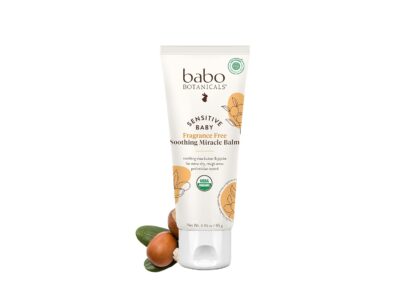
Babo Botanicals Soothing Miracle Balm for Sensitive Skin
$17.00
- Fragrance-free formula ensures no irritation for sensitive skin.
- Made with organic ingredients like olive oil and shea butter to deeply moisturize.
- Ideal for soothing extra-dry areas, providing quick relief from discomfort.
- Gentle and non-toxic, making it safe for babies and young children.
- Moms appreciate its multitasking abilities—perfect for everything from chapped cheeks to dry elbows.

Bumco Diaper Cream Spatula - BPA-Free Flexible Applicator
$6.99
- Mess-Free Application: The original mom-invented design keeps your hands clean, eliminating the sticky mess that typically comes with applying diaper cream.
- Soft & Gentle: Made from soft, flexible silicone, this spatula is gentle enough for your baby's delicate skin, ensuring comfort with every use.
- Convenient Suction Base: The built-in suction cup keeps the spatula upright on any flat surface, preventing it from tipping over and getting dirty during diaper changes.
- Perfect Size: At 6.25 inches, it fits comfortably in your hand and easily scoops from any diaper cream jar, making it a must-have for on-the-go parents.
- Easy to Clean: Simple to rinse off or wipe down after each use, this spatula promotes hygiene and convenience during busy diaper changes.

Organic Nipple Butter for Breastfeeding Mothers
$15.95
- Delivers immediate relief to sore, dry, and chapped nipples, allowing for a more comfortable breastfeeding experience.
- Completely safe for baby, eliminating the need to wash off before feeds—your little one won’t even notice it’s there!
- Versatile use as a moisturizer for other dry areas like lips, heels, and cuticles, making it a multitasking essential.
- Unscented and tasteless, catering to sensitive skin while avoiding any potential irritation from fragrances.
- Formulated with clean, plant-based ingredients recommended by healthcare professionals for gentle yet effective skin care.
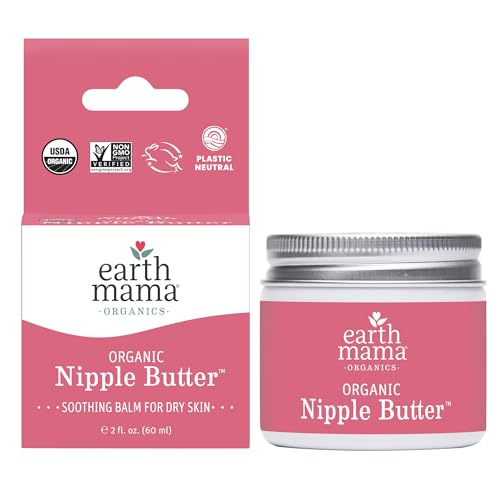
Organic Nipple Butter™ Breastfeeding Cream by Earth Mama
$13.97
- Extra Gentle Formula: Made with a blend of organic herbs and oils, this butter is crafted to soothe and hydrate even the most sensitive skin.
- Baby Safe: There's no need to wipe it off before nursing, thanks to its non-toxic, non-GMO formulation that’s free from petroleum and preservatives.
- Hospital Recommended: Trusted by healthcare professionals, this nipple butter is often found in hospital NICUs—proof of its effectiveness and safety.
- Multi-Purpose Use: Not just for nipples! You can also apply it to dry lips, cuticles, and other areas needing extra moisture.
- Perfect Gift: Ideal for baby showers, this nourishing balm is a thoughtful addition to any new mom's care package.
As an Amazon Associate we earn from qualifying purchases. We only recommend products we'd use ourselves — we're never paid for placement.
Frequently Asked Questions
Is calendula safe for newborns?
Calendula is generally gentle enough for newborns and is a common ingredient in balms made for the youngest babies. Because a newborn’s skin is so new, do a small patch test first, choose a fragrance-free formula, and check in with your pediatrician if you have any specific concerns about your baby.
Can calendula help with diaper rash?
Many parents use calendula balms to soothe everyday diaper-area redness and chapping, and it can be comforting as a gentle barrier at changes. For persistent, worsening, or blistering rashes, though, skip the DIY approach and talk to your pediatrician to rule out a yeast or bacterial cause.
Is calendula vegan?
The calendula extract itself is fully vegan—it comes from the marigold flower. The catch is the balm around it: many calendula balms use beeswax, which is not vegan. Look for versions made with candelilla or carnauba wax to keep your routine fully plant-based.
How do I choose a good calendula balm?
Aim for a short ingredient list with calendula near the top, a fragrance-free label, and a plant-based wax if you’re vegan. You can browse vetted options in our bath and skincare collection, where we’ve screened for exactly these qualities.
This article is for general informational purposes only and is not a substitute for medical advice; please consult your pediatrician about your baby’s specific needs.
Here’s the bottom line, friend: calendula is one of those gentle, plant-powered botanicals that genuinely earns its place in the nursery. Vet it the way you’d vet anything new—patch-test, go fragrance-free, and choose a plant-wax formula if you’re keeping it vegan—and you’ll have a soothing little helper for dry cheeks, cradle cap, and everyday diaper-area comfort. You’ve got this, and we’re right here to help you shop smarter every step of the way.