- Angela’s Picks
- Shop by Age
- Shop by Category
- Shop by Values
- Montessori Toys
- Sensory Toys
- Teething Toys
- Wooden Toys
- Educational Toys
- Stacking & Sorting Toys
- Baby Bottles
- Sippy Cups
- Plates & Bowls
- Bibs
- Baby Utensils
- Deals
- High Chairs
- Breastfeeding & Nursing
- Snack Containers
- Crib Mattresses
- Bassinets
- Sleep Sacks & Swaddles
- Baby Blankets
- Baby Monitors
- Cribs & Nursery Furniture
- Baby Shampoo & Wash
- Baby Lotion & Oil
- Baby Sunscreen
- Bath Tubs & Seats
- Towels & Washcloths
- Diaper Cream & Balm
- Eco-Friendly Diapers
- Baby Wipes
- Potty Training
- Changing Pads
- Cloth Diapers
- Baby Thermometers
- Baby Proofing
- Baby Gates
- Humidifiers
- First Aid & Grooming
- Onesies & Bodysuits
- Sleepers & Pajamas
- Hats & Mittens
- Nursing Pads
- Breast Pumps & Accessories
- Postpartum Care
Is Baby Powder Safe? Talc vs. Cornstarch, Explained Calmly

Quick Answer
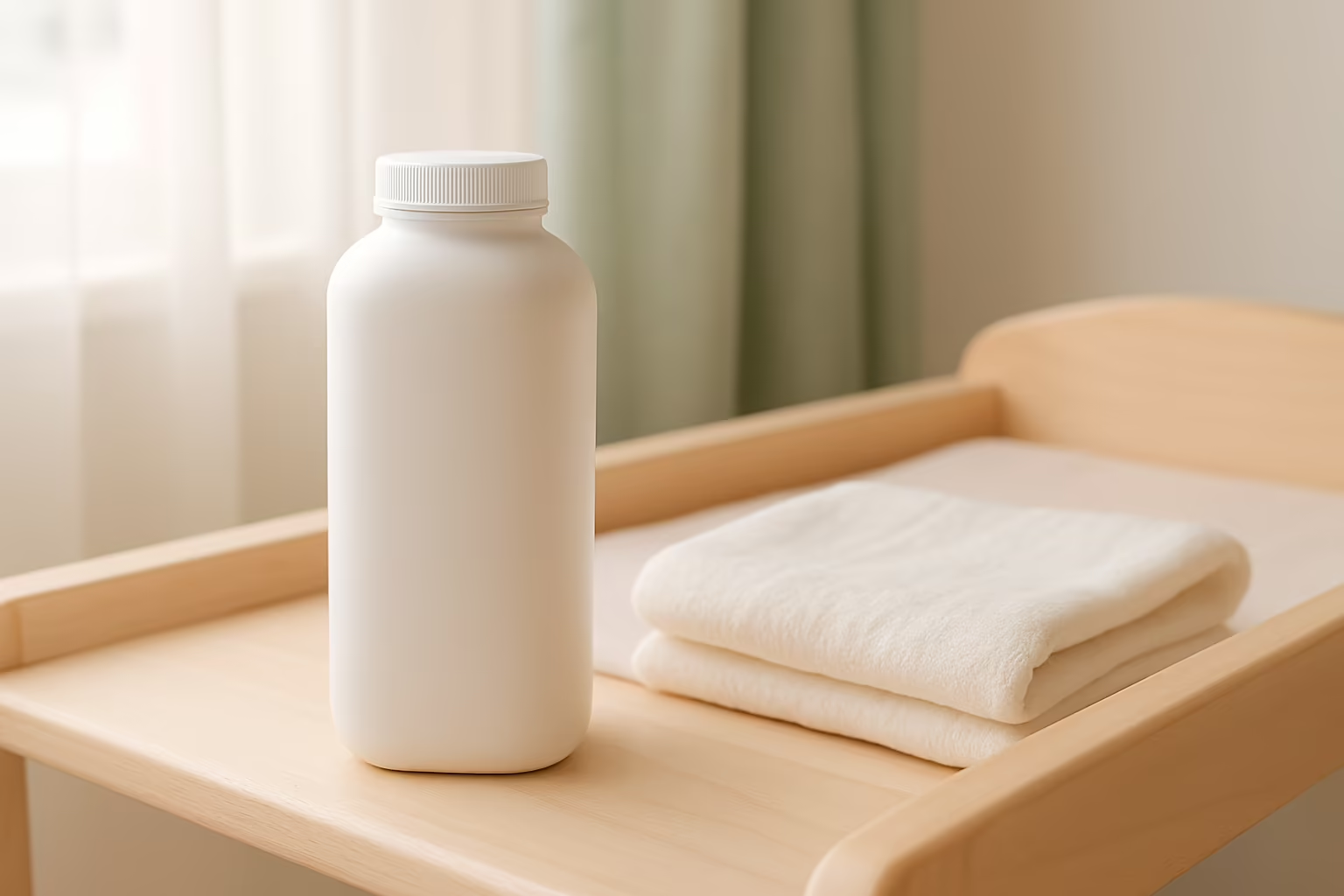
Is baby powder safe? The honest answer on talc vs. cornstarch, the inhalation caution every parent should know, and safer ways to keep baby comfy.
If you’ve stood in the baby aisle wondering is baby powder safe, here’s the short, honest answer: it mostly comes down to the type of powder and how you use it. Talc-based powders are the ones that have drawn real safety concern over the years, so most safety-minded parents skip talc entirely. Cornstarch-based powders are the plant-based alternative many families reach for instead. But here’s the nuance nobody puts on the front of the bottle: any loose powder, talc or cornstarch, carries an inhalation caution for little lungs. So the smartest move is knowing when to use it, how to use it gently, and when to skip it altogether.
I’m Angela, and vetting this kind of thing is my whole job here. Let’s walk through it calmly, no scare tactics, just the stuff worth knowing before you dust anything onto that adorable little bottom.
Talc vs. Cornstarch: What’s Actually Different
Baby powders generally fall into two camps, and they’re not the same thing at all.
Talc is a naturally mined mineral. It feels silky and absorbs moisture beautifully, which is exactly why it was the classic baby-powder ingredient for generations. The concern with talc has two threads. First, because it’s mined, there have historically been questions about the purity of the raw material and whether it could be contaminated with other minerals. Second, and more relevant to everyday use, talc grinds into extremely fine particles that float easily into the air, which brings us straight to the lung question below. Because of that combined history, a lot of cautious parents and many baby brands have simply moved away from talc.
Cornstarch is the plant-based alternative, made from corn. It’s naturally vegan, it absorbs moisture, and it doesn’t carry the mineral-purity history that talc does. That’s why “talc-free” and “cornstarch-based” have become the default choice for families who still want a powder in the rotation. It’s a genuinely better-feeling option for most people.
Baby Sleep Miracle
Help baby sleep through the night naturally
Get It →One fair note so I’m not overselling it: cornstarch isn’t magic. It’s a food starch, and in the specific case of an active yeast-type diaper rash, some pediatric guidance suggests powders aren’t the right tool. So cornstarch is the friendlier pick overall, but it’s not a cure-all, and it comes with the same airborne caution any fine powder does.
The Inhalation Caution: Why It Matters for Little Lungs
This is the part I most want you to walk away with, because it applies to every loose powder, not just talc.
When you shake or puff powder near a baby, a cloud of very fine particles goes airborne. A newborn’s airways and lungs are tiny and still developing, and they’re much more sensitive to breathing in fine dust than an adult’s are. Babies also can’t turn their heads away, cough it out, or tell you something feels off. Breathing in a puff of powder can irritate those little airways, which is exactly the scenario pediatric guidance is built to avoid.
This is why the safety conversation isn’t only “talc bad, cornstarch good.” Cornstarch particles can float and be inhaled too. The single most protective habit is keeping any powder cloud away from your baby’s face, which is entirely within your control and takes zero extra money or gear.
How to Use Baby Powder Safely (If You Use It)
If you’ve decided a talc-free powder has a place in your routine, a few small habits make it dramatically safer:
- Shake into your hand first, never straight onto baby. Move away from your little one, tap a small amount into your palm, then apply gently. This keeps the airborne cloud far from that tiny face.
- Keep it away from the face, always. Apply low, at the diaper area, and never near the nose or mouth.
- Use a little, not a lot. A light dusting does the job. Caking it on just creates more dust and more clumping in skin folds.
- Store the bottle up high and closed. Curious toddlers can grab an open bottle and get a face full of powder in a heartbeat. Treat it like any other “keep out of reach” item.
- Skip it on broken or already-irritated skin. If there’s an active rash, a barrier cream is usually the better call.
None of this is complicated. It’s really just “keep the dust down and away from the face,” and you’ve handled the main risk.
Do You Even Need Baby Powder? (The Honest Answer)
Here’s the thing a lot of us don’t hear until we’re a few months in: for most babies, powder isn’t necessary at all. Pediatric guidance often points out that good diapering habits do the real work, and a simple barrier product handles the rest.
The everyday routine that keeps most bottoms happy looks like this: change diapers promptly, let the skin dry fully before the next diaper goes on, and use a barrier cream (think zinc-oxide-style creams) when you want extra protection against wetness and rubbing. That barrier layer is what actually shields the skin, and it doesn’t create an inhalable cloud. If you’re dealing with redness, our guide on diaper rash treatment and prevention walks through the gentle, non-toxic approach step by step.
If you love the fresh-and-dry feeling a powder gives, that’s completely fair, and a talc-free, plant-based option used carefully is a reasonable choice. Just go in knowing it’s a nice-to-have for comfort, not a must-have for skin health. For the bigger picture on what we look for in everything that touches baby’s skin, our roundup of the best organic baby skincare is a good companion read.
Below are the talc-free, plant-based baby powders that passed our screen.
Talc-Free Baby Powders We Love
| Product | Best For | Price | |
|---|---|---|---|
| Johnson's Aloe Vitamin E Baby Powder and for | Best Overall | $4.98 | View |
| Gold Bond Ultimate Comfort Body Powder | Best Value | $5.51 | View |
| Johnson's Baby Powder and for Skin | Editor's Pick | $2.00 | View |
| Era Organics USDA Organic Baby Powder - 3oz | Great Choice | $9.99 | View |
| Color Noise Sound Machine with 10 Colors and | Great Choice | $23.99 | View |
| Sound Machine with 30 Soothing Sounds and Night | Great Choice | $17.99 | View |
BEST OVERALL 
Johnson's Aloe Vitamin E Baby Powder and for of Skin oz
$4.98
- Hypoallergenic & Dermatologist Tested: Designed for sensitive skin, this powder minimizes the risk of allergic reactions.
- Natural Moisture Absorption: The cornstarch formula quickly absorbs moisture, keeping your baby's skin dry and comfortable.
- Lavender Scent: Infused with lavender, it not only soothes but also provides a calming aroma for both baby and parent.
- No Harsh Additives: Free from parabens, phthalates, dyes, and sulfates, ensuring a gentle touch for delicate skin.
- Versatile Use: Great for grown-ups too! Use it at the beach to remove sand or as a dry shampoo alternative.
BEST VALUE 
Gold Bond Ultimate Comfort Body Powder
$5.51
- Talc-Free Formula: Parents can rest easy knowing this powder avoids talc, opting instead for safer alternatives that protect sensitive skin.
- Soothing Ingredients: The inclusion of aloe and chamomile helps to calm any irritation while providing moisture control.
- Effective Moisture Control: This powder actively absorbs moisture, ensuring your baby stays dry and comfortable, especially in those warm, sticky months.
- Versatile Use: Perfect for use after baths, during diaper changes, or for daily freshness, making it a versatile addition to your baby care routine.
- Safe for Daily Use: Gentle enough to be used as directed on a daily basis, offering peace of mind for parents.
EDITOR'S PICK 
Johnson's Baby Powder and for Skin
$2.00
- Gentle Moisture Control: The cornstarch formula quickly absorbs excess moisture, helping to prevent irritation and keep your baby's skin smooth.
- Dermatologist-Tested: With over 125 years of experience, Johnson's has crafted a product that is dermatologist-tested and specifically designed for infants.
- No Harsh Additives: Free from parabens, phthalates, dyes, and sulfates, this powder prioritizes your baby's safety and comfort.
- Multi-Use Versatility: Perfect not only for babies but also for adults, it can be used at the beach to remove sand or as a dry shampoo alternative.
- Easy Application: The powder can be easily applied with a gentle shake, ensuring it goes where it's needed without creating a mess.
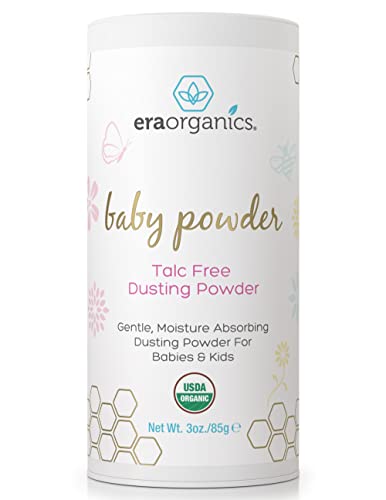
Era Organics USDA Organic Baby Powder - 3oz
$9.99
- Made from organic arrowroot powder and cornstarch, it naturally absorbs moisture while keeping skin soft and dry.
- Talc-free formulation ensures safety, making it ideal for sensitive skin and for use with cloth diapers.
- Infused with gentle calendula and rosemary extracts, it helps soothe and protect irritated or chapped skin.
- Free from fragrances and artificial additives, it’s perfect for parents concerned about toxic ingredients.
- Versatile use: great for diaper rash, chafing, or even as a freshening powder for shoes.
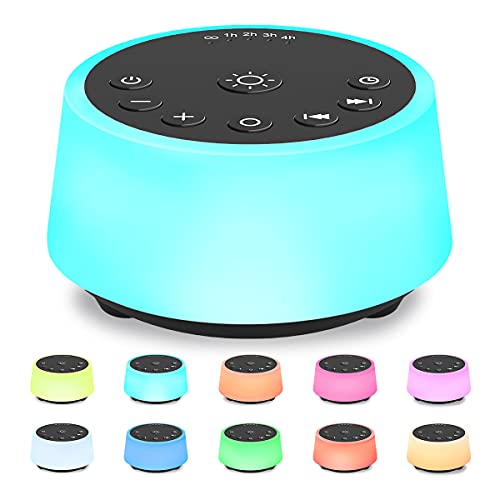
Color Noise Sound Machine with 10 Colors and 25 Soothing Sounds
$23.99
- 25 High-fidelity Sounds: From white noise to ocean waves, this machine offers a variety of sounds that adapt to your baby's relaxation needs.
- 10 Adjustable Night Lights: With 10 colors and adjustable brightness, create the perfect ambiance for nighttime feedings or diaper changes.
- Customizable Timer Settings: Choose from 5 timer options to fit your schedule, allowing the machine to gradually fade out for a gentle sleep transition.
- Lightweight & Portable: Its compact design and easy-to-use controls make it perfect for home or travel, ensuring comfort wherever you go.
- Memory Function: The sound machine remembers your volume, brightness, and sound preferences, making it quick and easy to set up each night.

Sound Machine with 30 Soothing Sounds and Night Light
$17.99
- Diverse Sound Options: With 30 soothing sounds, including white, brown, and pink noise, as well as nature sounds and lullabies, this machine caters to various preferences and needs.
- Customizable Night Light: The machine features 12 colors and adjustable brightness, providing just the right light for comfort during nighttime routines without disturbing sleep.
- Volume Control: With 32 levels of volume, parents can easily find the perfect sound level to block out unwanted noise from the environment.
- Timer Function: Choose between 1, 2, or 3 hours of sound play, allowing for uninterrupted sleep while also conserving energy.
- Memory Function: This machine remembers your last settings for volume, brightness, and sound type, making it easy to return to your family's preferred sleep routine.
As an Amazon Associate we earn from qualifying purchases. We only recommend products we'd use ourselves — we're never paid for placement.
Frequently Asked Questions
Is cornstarch baby powder safe for newborns?
Cornstarch avoids the mineral-purity history of talc and is plant-based, which is why many parents prefer it. That said, it’s still a fine powder, so the inhalation caution applies just the same. For newborns especially, many families skip powder altogether and rely on prompt changes and a barrier cream instead. If you do use it, shake into your hand away from baby and keep it far from the face.
Why do so many brands say “talc-free” now?
Because of talc’s combined history: questions about the purity of the mined mineral, plus how easily its fine particles go airborne. As parents grew more cautious, brands responded by reformulating around cornstarch and labeling clearly. “Talc-free” is essentially a signal that a powder sidesteps that particular set of concerns.
What should I use for diaper rash instead of powder?
A barrier cream is usually the better tool. It creates a protective layer against moisture and friction without producing an inhalable cloud. Pair it with frequent changes and full drying time. You can browse gentle options in our diapers and potty and bath and skincare collections.
Is it ever okay to use baby powder?
Yes, plenty of families use a talc-free, plant-based powder safely by keeping the amount small, applying it low and away from the face, and shaking it into a hand first. It’s a comfort choice more than a necessity, so use it if you like it, and skip it with a clear conscience if you’d rather not.
This article is for general information and isn’t a substitute for personalized medical advice. For questions about your baby’s skin or health, please check with your pediatrician.
So, is baby powder safe? With a talc-free, plant-based powder used gently and kept away from that little face, it can be, but it’s genuinely optional. If you take one thing from all this, let it be the calm, money-free habits: change often, dry fully, protect with a barrier cream, and keep any powder cloud far from baby’s breathing. You’ve got this, and I’m right here whenever you want a second set of eyes on what goes near your little one. — Angela
Angela's Recommended Resources
Guides and courses I personally recommend:
Most Popular
Baby Sleep Miracle
Proven gentle method to help your baby sleep through the night naturally. No cry-it-out, science-backed.
* Affiliate links. We may earn a commission at no extra cost to you.