- Angela’s Picks
- Shop by Age
- Shop by Category
- Shop by Values
- Montessori Toys
- Sensory Toys
- Teething Toys
- Wooden Toys
- Educational Toys
- Stacking & Sorting Toys
- Baby Bottles
- Sippy Cups
- Plates & Bowls
- Bibs
- Baby Utensils
- Deals
- High Chairs
- Breastfeeding & Nursing
- Snack Containers
- Crib Mattresses
- Bassinets
- Sleep Sacks & Swaddles
- Baby Blankets
- Baby Monitors
- Cribs & Nursery Furniture
- Baby Shampoo & Wash
- Baby Lotion & Oil
- Baby Sunscreen
- Bath Tubs & Seats
- Towels & Washcloths
- Diaper Cream & Balm
- Eco-Friendly Diapers
- Baby Wipes
- Potty Training
- Changing Pads
- Cloth Diapers
- Baby Thermometers
- Baby Proofing
- Baby Gates
- Humidifiers
- First Aid & Grooming
- Onesies & Bodysuits
- Sleepers & Pajamas
- Hats & Mittens
- Nursing Pads
- Breast Pumps & Accessories
- Postpartum Care
Is Lanolin Safe for Babies? An Honest, Vegan-Friendly Guide

Quick Answer
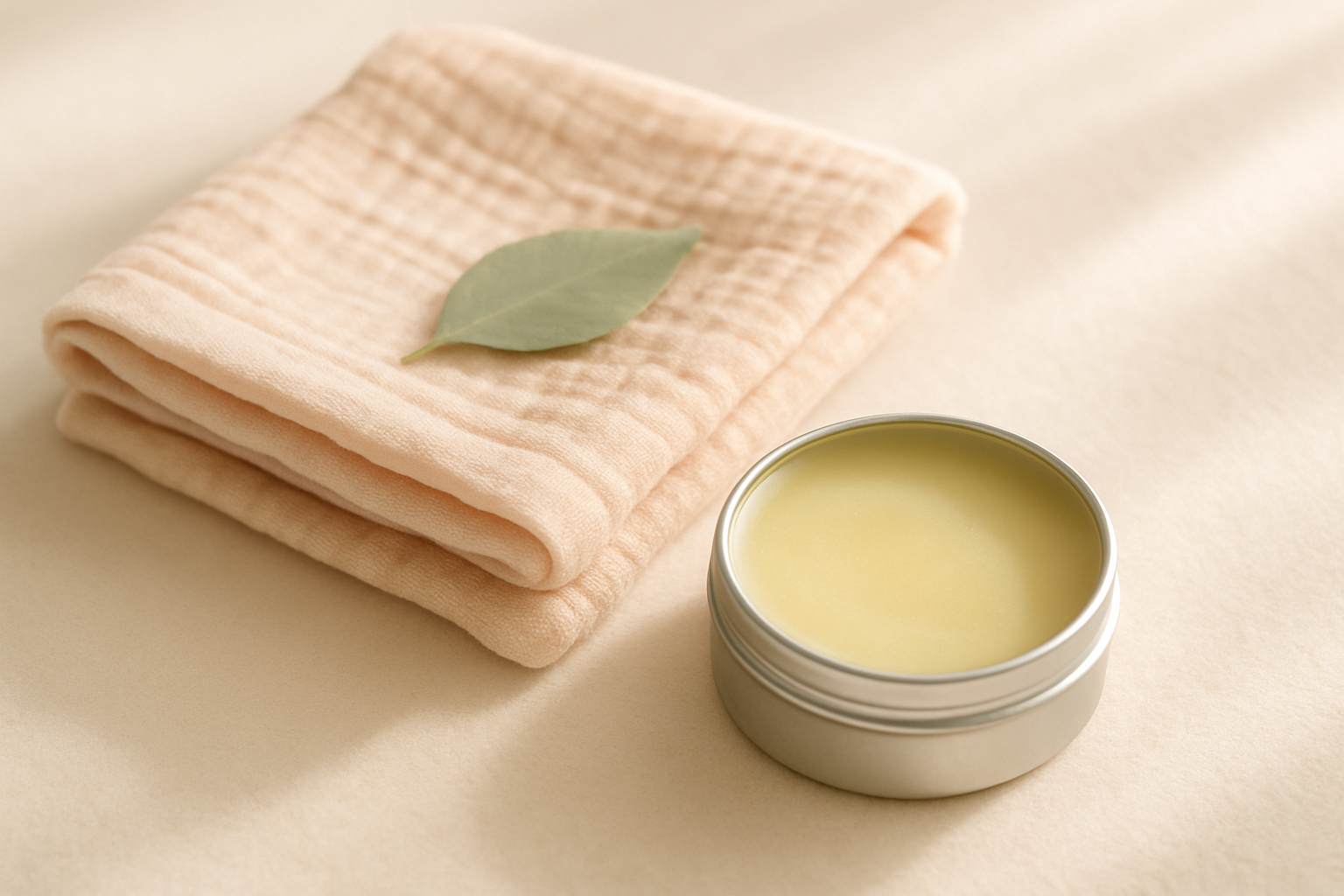
Is lanolin safe for babies? Yes, purified lanolin is generally safe, but here’s the honest vegan take plus plant-based swaps you’ll love.
If you’ve been rubbing a tube of nipple cream between your fingers wondering, is lanolin safe for babies, here’s the short, honest answer: yes, highly purified, medical-grade lanolin is generally considered safe for babies and for nursing parents. It’s one of the most common ingredients in nipple creams and dry-skin balms, and the refined versions sold for infant care are made to be low-residue and gentle. That’s the reassuring part, and I want you to feel it before we get into the nuance.
Now the honest caveats, because that’s what you came here for. Lanolin is animal-derived. It’s an oil that comes from sheep’s wool, which means it isn’t vegan. A small number of babies and parents have wool sensitivities and can react to it. And purity genuinely varies from brand to brand, so the grade matters. If any of that gives you pause, the good news is that plant-based balms do the same job beautifully, and I’ll walk you through those too. This isn’t a scare piece. It’s a “here’s everything, you decide” piece.
What Lanolin Actually Is (and Where It Shows Up)
Lanolin is a waxy substance that sheep produce to condition and waterproof their own wool. When wool is cleaned, that oil is collected and refined. Because it’s so good at sealing in moisture and creating a protective barrier, it landed in the baby-care aisle decades ago and never really left.
You’ll most often run into lanolin in three places:
- Nipple creams. This is the big one. Many classic breastfeeding balms are essentially pure lanolin, marketed because they don’t need to be wiped off before the next feed.
- Baby lotions and diaper balms. It’s used as a barrier ingredient to help protect against chafing and moisture loss.
- Lip and cheek balms. Those weather-protection sticks for chapped little cheeks in winter often lean on lanolin for that same seal-in effect.
So if you’ve used any of these, you’ve almost certainly met lanolin already. It’s not some obscure additive; it’s a workhorse.
The Safety Picture: What “Purified” Really Means
Here’s where the label does a lot of heavy lifting. The lanolin used in reputable baby and nursing products is refined to remove impurities, and you’ll often see it described as “highly purified,” “ultra-purified,” or “medical grade.” Those words matter. Raw, unrefined wool grease can carry residues, including traces of whatever the sheep was exposed to, like pesticides. The purification process is specifically designed to strip those out, which is why the grade on the tube is worth reading.
For most families, purified lanolin is low-risk. It sits on the skin as a barrier rather than soaking deep in, and it’s been used in infant feeding for a very long time. The nuance worth knowing is wool sensitivity. Because lanolin comes from wool, the small group of people who react to wool can sometimes react to lanolin too, usually as localized redness or irritation where it’s applied. It’s not common, but it’s real, and it’s the single best reason to patch-test any new balm on a small area first.
If your little one is already prone to sensitive, reactive skin, it’s worth being extra thoughtful about every new ingredient, not just this one. Our guide on baby eczema causes, triggers, and treatment walks through how to introduce products slowly and spot a reaction early. And if you’re unsure whether lanolin is right for your baby specifically, especially with any known allergy history, your pediatrician is the right person to ask.
Vegan and Plant-Based Alternatives to Lanolin
Here’s where I’ll be upfront about who we are. 1 Stop Baby is a vegan store, so we don’t stock lanolin. That’s a values choice, not a claim that lanolin is dangerous. Plenty of parents use it happily. But if you’re avoiding animal-derived ingredients, or you simply want a swap that skips the wool-sensitivity question entirely, plant-based balms are a genuinely excellent option that do the same barrier-and-moisture job.
The ingredients I’d point you toward:
- Shea butter. Rich, cushioning, and deeply moisturizing. It’s a favorite for dry cheeks, elbows, and general soothing balms.
- Cocoa butter. Creates a similar protective seal to lanolin and melts nicely into skin at body temperature.
- Coconut oil. Light, absorbs well, and easy to find in clean formulations. A go-to for gentle daily moisture.
- Olive oil-based balms. A time-tested, gentle base that’s often blended with the butters above for a spreadable, nourishing balm.
For nursing specifically, plant-based nipple balms built from these ingredients are widely available and, like purified lanolin, are formulated to be safe if a trace ends up in baby’s mouth at the next feed. If you’re still finding your rhythm with feeding, our breastfeeding tips for new moms pairs well with choosing a balm that fits your routine.
One more thing worth checking on any balm, lanolin or plant-based: the rest of the label. A “natural” barrier ingredient can still be blended with synthetic fragrance, which is its own conversation. If that’s new to you, read is fragrance in baby products safe before you buy. You can browse everything we’ve screened over in our vegan and cruelty-free collection.
Below are the vegan, lanolin-free balms and nursing picks that passed our screen.
Vegan, Lanolin-Free Nursing Picks
| Product | Best For | Price | |
|---|---|---|---|
| Munchkin® Flow Nipple Shield | Best Overall | $5.00 | View |
| Philips AVENT Anti-Colic Baby Bottle Flow 1 Nipple | Best Value | $11.98 | View |
| Motherlove Nipple Cream Organic Herbal Salve for Breastfeeding | Editor's Pick | $12.99 | View |
| Dr. Brown's 4-Pack Bottle Nipple Collars | Great Choice | $7.99 | View |
| Philips Avent Glass Natural Baby Bottle with Natural | Great Choice | $12.99 | View |
| Silver Nursing Cups Nipple Shields for Breastfeeding Newborn | Great Choice | $23.99 | View |
BEST OVERALL 
Munchkin® Flow Nipple Shield
$5.00
- Patented Design: The built-in channel allows you to see breast milk flowing, making feedings more engaging.
- Comfort for Sore Nipples: Crafted from soft-touch silicone, it offers a soothing experience for mothers experiencing nipple discomfort.
- Travel-Friendly: The included case doubles as a steam sterilizer, ensuring cleanliness on the go.
- Multiple Sizes: Available in 20mm and 24mm, allowing for a custom fit to suit your needs.
- Award-Winning: Recognized with the 2025 Parents’ Picks and NAPPA Award, a testament to its quality and effectiveness.
BEST VALUE 
Philips AVENT Anti-Colic Baby Bottle Flow 1 Nipple
$11.98
- Clinically proven design that minimizes colic, helping babies feel more comfortable after feeding.
- Innovative nipple structure prevents collapse, ensuring a secure latch for uninterrupted feeding sessions.
- Available in multiple flow rates (1-4) to accommodate your baby’s changing needs as they grow.
- BPA-free materials provide peace of mind for health-conscious parents.
- Easy to clean and assemble, making your feeding routine smoother and stress-free.
EDITOR'S PICK 
Motherlove Nipple Cream Organic Herbal Salve for Breastfeeding
$12.99
- Soothes and repairs sore, chapped nipples with natural ingredients.
- Lanolin-free, making it safe for use before and during nursing.
- Rich infusion of marshmallow and calendula calms sensitive skin.
- Thickened with beeswax and shea butter for an effective barrier against moisture loss.
- Unscented formula avoids overwhelming fragrances, perfect for sensitive noses.

Dr. Brown's 4-Pack Bottle Nipple Collars
$7.99
- Includes four collars to meet your daily needs and easy replacements.
- Compatible with both glass and plastic Dr. Brown's bottles for versatility.
- Durable PP material that won't break or deform, ensuring long-lasting use.
- Easy to clean and dishwasher safe, so you can focus on what matters most—your baby.
- Creates a perfect seal with original bottle accessories, preventing leaks and keeping milk fresh.

Philips Avent Glass Natural Baby Bottle with Natural Response Nipple.
$12.99
- Natural Feeding Experience: The wide, breast-shaped nipple mimics the softness and shape of a breast, making transitions between breast and bottle feeding smoother.
- No-Drip Design: The innovative nipple design helps prevent messes by minimizing lost milk, giving parents peace of mind during feeding time.
- Anti-Colic Feature: With an anti-colic valve, this bottle is engineered to reduce discomfort by directing air away from your baby's tummy.
- Durable and Safe: Made from high-quality borosilicate glass, it's not only BPA-free but also resistant to heat and thermal shock, ensuring safe storage and use.
- Easy to Clean: The bottle is designed for effortless cleaning and sterilization, making it convenient for busy parents.
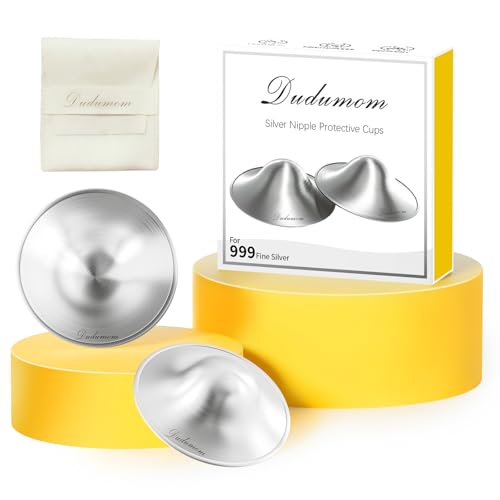
Silver Nursing Cups Nipple Shields for Breastfeeding Newborn
$23.99
- Ultra-Lightweight: Weighing only 0.18 oz, these nursing cups reduce pressure and discomfort, allowing you to nurse without feeling weighed down.
- Ergonomic Comfort: Designed to fit securely without bulk, they maintain your natural bust shape while protecting sensitive areas.
- Hypoallergenic Materials: Made from nickel-free, BPA-free silver, these shields are safe for even the most sensitive skin, ensuring no harmful residues affect your baby.
- Moisture-Activated Relief: The scientific design helps release ions (Ag+) that enhance the soothing properties of silver, effectively relieving irritation and friction.
- Convenient & Easy to Use: No creams or lotions needed—just clean, natural relief that’s simple to store and maintain.
As an Amazon Associate we earn from qualifying purchases. We only recommend products we'd use ourselves — we're never paid for placement.
Frequently Asked Questions
Is lanolin safe for a baby to ingest while nursing?
Purified, medical-grade lanolin used in nursing creams is formulated so it doesn’t need to be wiped off before feeding, and a trace ingested this way is generally considered safe. If you’d rather not have any animal-derived residue at feeds, a plant-based nipple balm gives you the same peace of mind without the question mark. When in doubt, check with your pediatrician or a lactation consultant.
Is lanolin vegan?
No. Lanolin is an oil harvested from sheep’s wool, so it’s an animal-derived ingredient and isn’t vegan. The sheep aren’t slaughtered for it, but because it comes from an animal, it doesn’t meet a vegan standard. If a vegan label matters to you, look for balms built on shea, cocoa butter, coconut, or olive oil instead.
What can I use instead of lanolin nipple cream?
Plant-based nipple balms made from shea butter, cocoa butter, and coconut or olive oil are the most popular swap. They soothe and protect the same way and are formulated to be safe at the next feed. Expressed breast milk gently patted on and air-dried is another simple, free option many parents lean on between applications.
How do I know if my baby is sensitive to lanolin?
Patch-test first. Apply a small amount to one little spot, wait about 24 hours, and watch for redness, bumps, or irritation at that spot. Wool-related sensitivity is uncommon but possible, so if you see a reaction, stop using it and switch to a plant-based balm. Anything beyond mild, short-lived redness is worth a quick call to your pediatrician.
So, is lanolin safe for babies? For most families, purified lanolin is a safe, time-tested choice, and I’d never want you second-guessing a product that’s working for you. My job here isn’t to talk you out of it, it’s to hand you the whole picture: it’s animal-derived, purity matters, and a small number of little ones are sensitive to it. If that lines up with what you want, wonderful. If you’d rather go plant-based, you’ve got beautiful, effective options that do everything lanolin does. Either way, you’re paying attention, and that’s exactly the kind of parent your baby is lucky to have.
Warmly,
Angela Grace
Founder & Lead Product Researcher, 1 Stop Baby
This article is for general educational purposes and isn’t a substitute for medical advice. For questions about your baby’s skin, allergies, or feeding, please talk with your pediatrician or a qualified healthcare provider.