- Angela’s Picks
- Shop by Age
- Shop by Category
- Shop by Values
- Montessori Toys
- Sensory Toys
- Teething Toys
- Wooden Toys
- Educational Toys
- Stacking & Sorting Toys
- Baby Bottles
- Sippy Cups
- Plates & Bowls
- Bibs
- Baby Utensils
- Deals
- High Chairs
- Breastfeeding & Nursing
- Snack Containers
- Crib Mattresses
- Bassinets
- Sleep Sacks & Swaddles
- Baby Blankets
- Baby Monitors
- Cribs & Nursery Furniture
- Baby Shampoo & Wash
- Baby Lotion & Oil
- Baby Sunscreen
- Bath Tubs & Seats
- Towels & Washcloths
- Diaper Cream & Balm
- Eco-Friendly Diapers
- Baby Wipes
- Potty Training
- Changing Pads
- Cloth Diapers
- Baby Thermometers
- Baby Proofing
- Baby Gates
- Humidifiers
- First Aid & Grooming
- Onesies & Bodysuits
- Sleepers & Pajamas
- Hats & Mittens
- Nursing Pads
- Breast Pumps & Accessories
- Postpartum Care
Best Non-Toxic Baby Diapers: How to Choose Clean, Safe Diapers

Quick Answer
A clear, honest guide to the best non toxic baby diapers — what fragrance-free, chlorine-free, and plant-based really mean, plus how to choose.
If you’re shopping for non toxic baby diapers, here’s the short version before we get into the details. The cleanest disposable diapers are fragrance-free, chlorine-bleach-free, and lotion-free, made with plant-based or certified materials and no added dyes. The single label worth looking for is totally chlorine-free (TCF), which tells you the absorbent core was processed without elemental chlorine. And if you’re willing to commit to the laundry, cloth is the lowest-tox, lowest-waste option of all. Everything else below is just helping you read the box with confidence.
I’m Angela Grace, founder and lead product researcher here at 1 Stop Baby, and I spend my days reading ingredient lists and material specs so you don’t have to. My goal with this guide isn’t to scare you — conventional diapers are not going to harm your child overnight — it’s to help you find the best non toxic baby diapers for your family without falling for green-sounding packaging that doesn’t actually mean much.
What to Look For in Non-Toxic Baby Diapers
“Non-toxic” isn’t a regulated term, so the word alone on a package tells you very little. What actually matters is what’s left out and what the diaper is made from. Here are the signals I trust when I’m screening a diaper.
Baby Sleep Miracle
Help baby sleep through the night naturally
Get It →- Fragrance-free. “Fragrance” can hide dozens of undisclosed ingredients, and it sits right against your baby’s skin all day. This is the easiest and most worthwhile thing to skip.
- Totally chlorine-free (TCF) or elemental chlorine-free (ECF). TCF is the stronger claim — it means no chlorine was used to bleach the pulp, which avoids chlorine-bleaching byproducts. If you see one label, make it this one.
- No added lotions or dyes. Some diapers coat the liner in lotion or use colored inks and wetness-indicator dyes. Clean options leave those off or keep them minimal and disclosed.
- Plant-based or certified core. Look for diapers that name their materials — sustainably sourced fluff pulp, plant-based liners, or a bio-based backsheet — rather than staying vague.
- Real absorbency. A “clean” diaper that leaks and leaves skin damp isn’t doing your baby any favors. Absorbency and fit are part of skin health, not separate from it.
- Third-party signals. Look for OEKO-TEX (tested for harmful substances), FSC (responsibly sourced wood pulp), and EWG verification or dermatologist testing. These aren’t all the same thing, but each one means someone independent looked at the product.
What’s Actually in Conventional Diapers Worth Avoiding
Let’s keep this grounded. Modern mainstream diapers are generally considered safe by regulators, and most babies wear them without issue. But a few common additions are easy to avoid once you know to look, and skipping them is a reasonable, low-effort upgrade.
- Added fragrance. The most common irritant, and the one most linked to redness in babies with reactive skin. There’s no functional reason a diaper needs to be scented.
- Chlorine-bleaching byproducts. When wood pulp is whitened with elemental chlorine, trace byproducts can form. TCF processing sidesteps this entirely, which is why the label is worth seeking out.
- Lotions and emollients. Marketed as skin-soothing, but they’re another set of ingredients your baby doesn’t strictly need against the skin all day. If your baby has sensitive skin, fewer inputs is usually better.
- Dyes and inks. Cartoon prints and colored wetness indicators use dyes. They’re mostly cosmetic, and dye-free versions are widely available.
None of these belong on a “panic” list. Think of avoiding them as choosing the plainest, gentlest version of a product your baby will wear thousands of times — small choices that add up.
Eco-Disposable vs. Cloth: A Quick Comparison
Most families land in one of two camps: cleaner disposables for convenience, or cloth for the lowest environmental and chemical footprint. Both are valid, and plenty of parents do a mix — cloth at home, disposables for travel and daycare.
- Eco-disposables are fragrance-free, TCF, and often plant-based, with the grab-and-go ease of any disposable. They cost more than conventional and still create waste, but they’re the simplest clean upgrade.
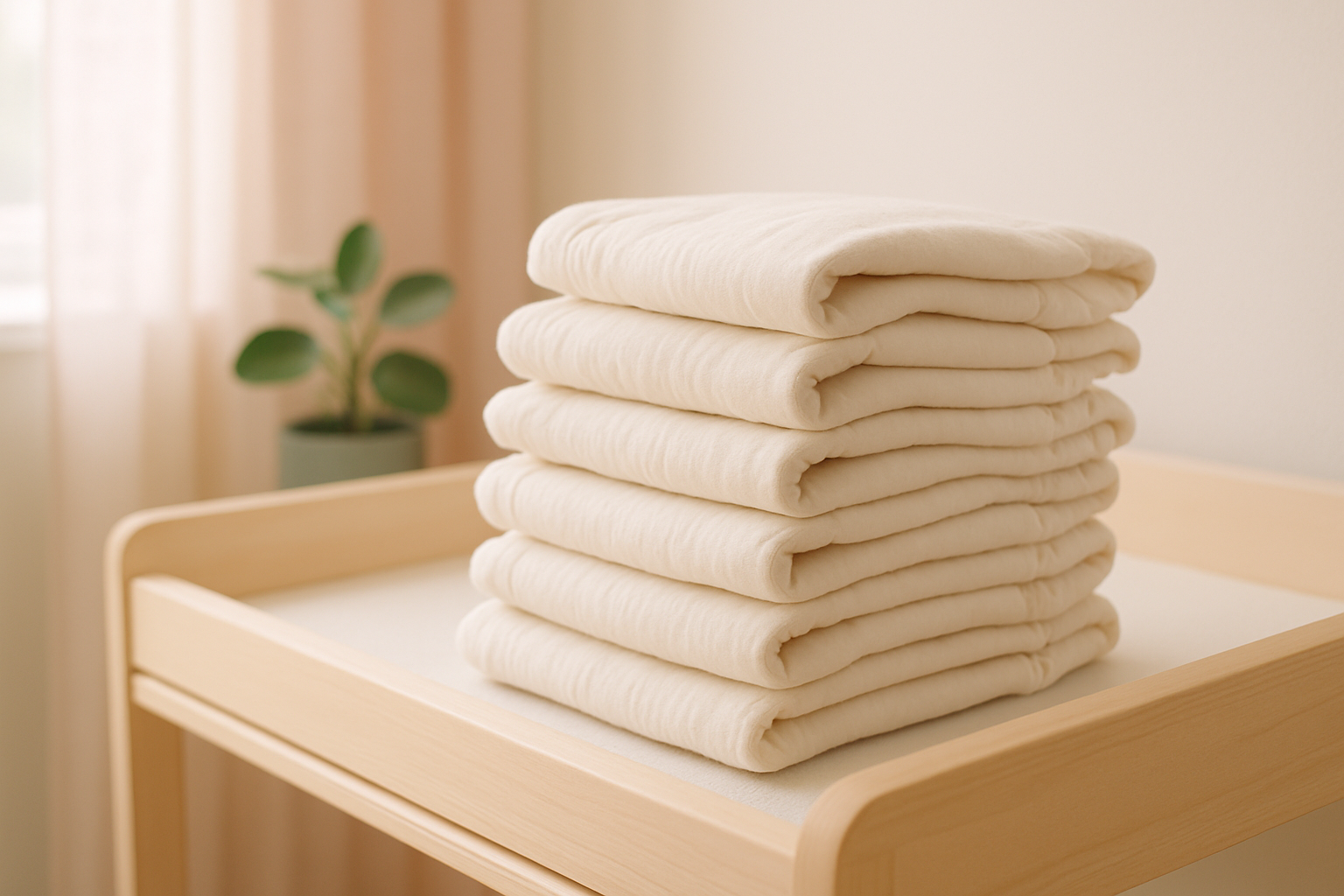
- Cloth diapers have the lowest toxicity and lowest waste if you’ll commit to washing them. Higher upfront cost, more laundry, but the cheapest and cleanest option over time — especially across multiple children.
If you’re weighing the two seriously, I walk through the full trade-offs in our cloth diapers vs. eco-disposables guide. One thing I’ll stress here: when it comes to rashes, fit and absorbency matter more than brand. A perfectly “clean” diaper in the wrong size that leaves skin damp will cause more trouble than a well-fitting one. If redness is your main concern, start with sizing and change frequency before you start swapping brands — our diaper rash treatment and prevention guide covers that in detail.
And if you’re ever unsure whether what you’re seeing in the diaper is normal, our baby poop guide is a surprisingly handy reference for new parents. When you’re ready to browse, our full diapers & potty collection is screened against the criteria above. Below are the non-toxic diapers that passed our screen.
Non-Toxic Diapers That Passed Our Screen
| Product | Best For | Price | |
|---|---|---|---|
| Hello Bello Premium Diapers | Best Overall | $10.99 | View |
| Hello Bello Diapers, Newborn Size, 84 Count, Woodland | Best Value | $25.99 | View |
| Birdseye 30 Pack Cloth Diapers 27 x 27 | Editor's Pick | $39.99 | View |
| Munchkin UV Diaper Pail, Kills Odor-Causing Bacteria | Great Choice | $129.99 | View |
| Pampers Pure Protection Newborn Hypoallergenic Diapers | Great Choice | $28.22 | View |
| Birdseye Diapers and Burp Cloths, Hypoallergenic (6 Pack) | Great Choice | $14.99 | View |
BEST OVERALL 
Hello Bello Premium Diapers
$10.99
- Plant-Based Materials: Crafted from plant-derived fibers, these diapers offer exceptional softness against your baby’s skin.
- Adorable Designs: Forget boring white diapers; Hello Bello features delightful patterns and colors, making diaper changes a little more fun!
- Leak Protection: Designed for optimal containment, these diapers help keep messes at bay, providing worry-free playtime.
- Free from Harsh Chemicals: Made without chlorine processing, parabens, phthalates, and artificial fragrances, ensuring a gentle experience for your little one.
- Affordably Premium: Hello Bello believes that high-quality products should be accessible to all families, making these diapers a great value.
BEST VALUE 
Hello Bello Diapers, Newborn Size, 84 Count, Woodland Animals
$25.99
- Soft & Gentle: Made with super soft materials that are gentle against delicate skin, minimizing the risk of irritation or rashes.
- Absorbent: Engineered to absorb moisture effectively, keeping your baby dry and comfortable between changes.
- Eco-Conscious Design: Crafted with plant-based materials, these diapers represent a step towards a more sustainable future.
- Adorable Prints: Featuring charming woodland animals, they add a fun twist to your baby's wardrobe.
- Giving Back: With every purchase, you're supporting a brand that has donated millions of diapers to families in need.
EDITOR'S PICK 
Birdseye 30 Pack Cloth Diapers 27 x 27 Inch Cotton
$39.99
- Soft & Gentle: Made from tightly woven birdseye cotton, these diapers are incredibly soft against your baby’s delicate skin.
- Generous Size: Measuring 27 x 27 inches, they provide excellent coverage and comfort, making them suitable for growing toddlers.
- Multi-Functional: Beyond diapering, these cloths can be used as burp cloths, dust cloths, or even paperless towels, adding versatility to your parenting toolkit.
- Durable Pins: Each set includes high-quality stainless steel diaper pins that are sturdy and safe, keeping your cloth diapers securely in place.
- Eco-Friendly: Reusable and washable, these cloth diapers are a great alternative to disposable options, promoting sustainability and reducing waste.

Munchkin UV Diaper Pail, Kills Odor-Causing Bacteria
$129.99
- Advanced UV Sterilization: Four powerful UV lights automatically disinfect the internal surfaces and rim every time the lid closes, targeting harmful bacteria like Staph and E. Coli.
- Patented Self-Sealing System: The pail's design keeps the bag sealed whether the lid is open or closed, containing odors and messes efficiently.
- Universal Refill Compatibility: Use it with any Munchkin branded refill rings or the Snap, Seal & Toss bags for hassle-free diaper disposal.
- Easy Maintenance: The included USB cable and adapter allow for straightforward charging, making it convenient to keep your pail operating at peak performance.
- Eco-Friendly Option: By effectively managing diaper waste, this pail helps reduce the environmental impact of disposable diapers while keeping your home clean.
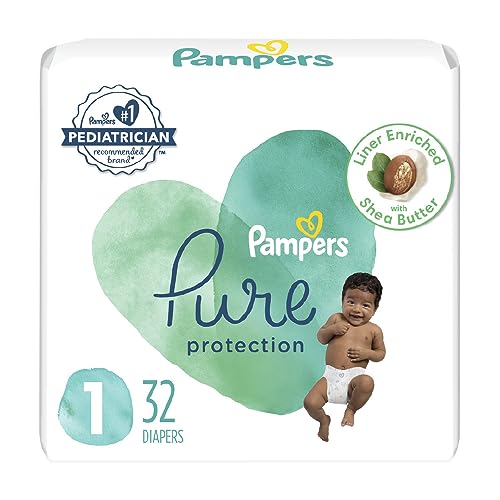
Pampers Pure Protection Newborn Hypoallergenic Diapers
$28.22
- Hypoallergenic design minimizes the risk of diaper rash and skin irritation.
- Ultra-soft materials ensure that your baby's skin remains comfortable and free from harsh chemicals.
- Multiple layers provide excellent absorbency, keeping your baby dry and happy.
- Eco-conscious parents appreciate the reduced environmental impact with more sustainable materials.
- Easy-to-use design allows for quick changes, especially during those hectic newborn days.

Birdseye Diapers and Burp Cloths, Hypoallergenic (6 Pack)
$14.99
- Multi-Functional: Use them as diapers, burp cloths, or cleaning rags—perfect for busy parents!
- Soft & Absorbent: Crafted to be thicker and more absorbent than many standard brands, providing comfort for your baby.
- Customizable Usage: Moms can easily fold these cloths to meet their specific needs during feeding or diaper changes.
- Eco-Friendly Choice: Reusable and washable, contributing to a more sustainable lifestyle and less waste.
- Easy Maintenance: Machine washable and quick-drying, making care a breeze for busy families.
As an Amazon Associate we earn from qualifying purchases. We only recommend products we'd use ourselves — we're never paid for placement.
Frequently Asked Questions
What makes a diaper non-toxic?
Since “non-toxic” isn’t a regulated label, the practical definition is a diaper that leaves out the things most likely to irritate skin or raise questions: added fragrance, chlorine bleaching, lotions, and dyes. The cleanest options go further with plant-based or certified materials and independent testing like OEKO-TEX or dermatologist verification. Focus on what’s left out and what it’s made from, not the marketing word on the front.
Are chlorine-free diapers worth it?
Yes, and it’s one of the easier upgrades to justify. Totally chlorine-free (TCF) processing avoids the byproducts that can form when pulp is whitened with elemental chlorine, and TCF diapers are widely available without a huge price jump. If you’re only going to prioritize one clean feature besides fragrance-free, chlorine-free is a sensible place to spend.
Which diapers are best for sensitive skin?
For reactive or sensitive skin, start with fragrance-free, dye-free, lotion-free diapers — the fewer added ingredients, the fewer possible triggers. Then get the fit right and change often, since trapped moisture is a bigger rash driver than most people expect. Many parents with very sensitive babies find cloth or a certified plant-based disposable works best, but the biggest wins usually come from fit and change frequency, not brand alone.
Are cloth diapers really less toxic than disposables?
Generally, yes — cloth diapers made from organic cotton, bamboo, or hemp have the fewest processing inputs and create the least waste, which is why they top the list for families focused on a clean, low-footprint routine. The trade-off is the laundry and the upfront cost. If that commitment fits your life, cloth is hard to beat; if it doesn’t, a fragrance-free TCF disposable is a genuinely good second choice.
Whatever you choose, know that reading the box thoughtfully already puts you ahead of the game. Pick the cleanest option that fits your real life, get the fit right, and give yourself grace on the rest — you’re doing a wonderful job. — Angela
Angela's Recommended Resources
Guides and courses I personally recommend:
Most Popular
Baby Sleep Miracle
Proven gentle method to help your baby sleep through the night naturally. No cry-it-out, science-backed.
Children Learning Reading
Phonics-based reading program for young children. Simple 15-minute daily lessons that work.
* Affiliate links. We may earn a commission at no extra cost to you.