- Angela’s Picks
- Shop by Age
- Shop by Category
- Shop by Values
- Montessori Toys
- Sensory Toys
- Teething Toys
- Wooden Toys
- Educational Toys
- Stacking & Sorting Toys
- Baby Bottles
- Sippy Cups
- Plates & Bowls
- Bibs
- Baby Utensils
- Deals
- High Chairs
- Breastfeeding & Nursing
- Snack Containers
- Crib Mattresses
- Bassinets
- Sleep Sacks & Swaddles
- Baby Blankets
- Baby Monitors
- Cribs & Nursery Furniture
- Baby Shampoo & Wash
- Baby Lotion & Oil
- Baby Sunscreen
- Bath Tubs & Seats
- Towels & Washcloths
- Diaper Cream & Balm
- Eco-Friendly Diapers
- Baby Wipes
- Potty Training
- Changing Pads
- Cloth Diapers
- Baby Thermometers
- Baby Proofing
- Baby Gates
- Humidifiers
- First Aid & Grooming
- Onesies & Bodysuits
- Sleepers & Pajamas
- Hats & Mittens
- Nursing Pads
- Breast Pumps & Accessories
- Postpartum Care
How to Read Baby Product Labels Like a Pro

Quick Answer
Stop guessing what's in your baby's products. Learn to decode ingredient lists, spot greenwashing, and identify truly safe products in minutes.
Updated for 2025. All products independently researched. Some links are affiliate links — we earn a small commission at no cost to you.
You’re standing in the baby aisle. The bottle says “natural,” “gentle,” and “pure.” There’s a leaf on the label. It MUST be safe, right? Not necessarily. The baby product industry is full of meaningless marketing terms, and learning to see past them takes about 5 minutes of education. Let me give you that education right now.
Marketing Terms That Mean Nothing
These words are not regulated by the FDA, FTC, or any other body when used on baby products:
- “Natural” — Has zero legal definition for cosmetics or baby products. Arsenic is natural.
- “Gentle” — Marketing term. No testing requirement.
- “Pure” — Same as above. A product can be “pure” and still contain synthetic chemicals.
- “Dermatologist tested” — Means a dermatologist looked at it. Doesn’t mean they approved it or that it passed any specific test.
- “Hypoallergenic” — Not regulated by the FDA. Companies can use it freely with no testing.
- “Pediatrician recommended” — Could mean one pediatrician was paid to endorse it.
- “Plant-based” — May contain 1% plant extract and 99% synthetic chemicals.
- “Green” or “Eco” — Not regulated. Pure marketing.
How to Actually Read an Ingredient List
Rule 1: Ingredients are listed by concentration
The first ingredient is the most abundant. If “water” is first and “organic aloe” is last, that product is mostly water with a trace of aloe. The marketing may show aloe leaves all over the bottle, but the ingredient list tells the truth.
Rule 2: “Fragrance” is the biggest red flag
By law, companies can list dozens of chemicals under the single word “fragrance” (or “parfum”) without disclosing any of them. This loophole, called the “fragrance exemption,” means a product could contain phthalates, synthetic musks, and allergens that never appear on the label. If you see “fragrance” in a baby product, put it back.
Rule 3: The shorter the list, the better
A good baby lotion needs 5-10 ingredients. If the list has 25+ ingredients with names you can’t pronounce, that’s usually a sign of unnecessary synthetic additives. Some exceptions exist (certain preservative systems require multiple components), but as a general rule, shorter = simpler = safer.
Rule 4: Use the EWG Skin Deep database
The Environmental Working Group maintains a free searchable database of 90,000+ products rated 1-10 for safety. Search any product or ingredient at ewg.org/skindeep. Look for products rated 1-2 (low hazard). Anything above 3, investigate further.
The 5-Second Label Check
In a rush? Here’s the fastest way to evaluate any baby product in the store:
- Flip to the back. Ignore the front — it’s all marketing.
- Scan for “fragrance” or “parfum.” If you see it, put it back.
- Count the ingredients. Under 10 for skincare? Good sign.
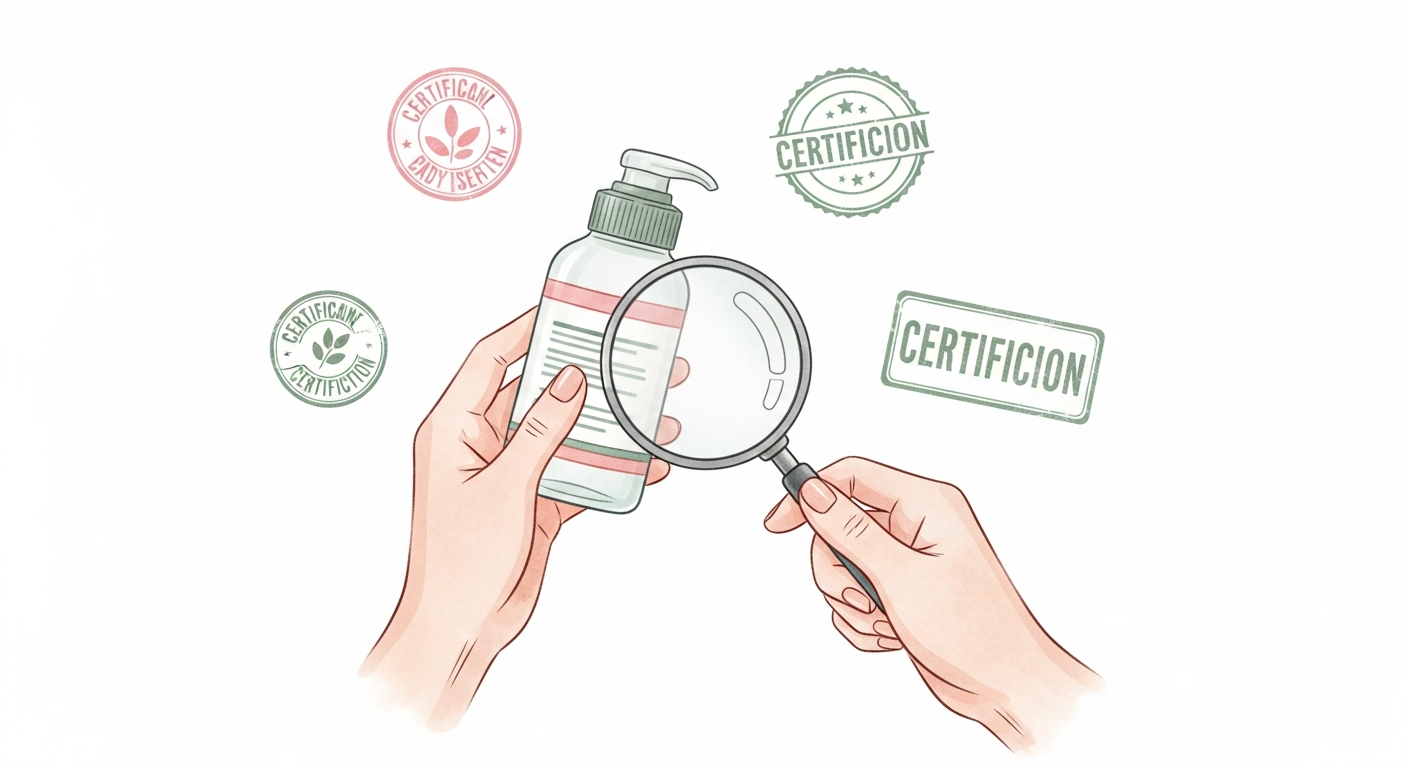
- Look for certifications. EWG Verified, MADE SAFE, or USDA Organic logos on the back (not just marketing claims on the front).
- Check for our banned list. Parabens, phthalates, SLS, formaldehyde releasers, PEGs. If you spot any, pass.
That’s it. Five seconds, and you’ve eliminated 80% of the problematic products on the shelf.
— Angela Grace
Clean-Label Picks
| Product | Best For | Price | |
|---|---|---|---|
| Organic Cotton Footless Newborn Sleepers | Best Overall | $17.98 | View |
| mushie Muslin Baby Swaddle Blanket | 100% Organic | Best Value | $18.99 | View |
| Touched by Nature Baby Girls' Organic Cotton Kimono | Editor's Pick | $21.52 | View |
| Mama Cheetah Organic Cotton Baby Sleep Sack | Great Choice | $14.99 | View |
| Happy Tot Organics Stage 4 Baby Food Pouches, | Great Choice | $27.84 | View |
| LifeTree Organic Cotton Baby Swaddle Blanket, 47 x | Great Choice | $25.90 | View |
BEST OVERALL 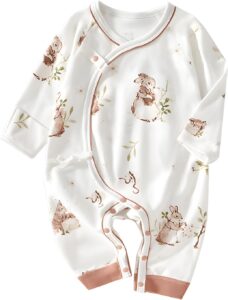
Organic Cotton Footless Newborn Sleepers
$17.98
- Gentle on Baby's Skin: Made from ultra-soft organic cotton, these sleepers are ideal for sensitive newborn skin, reducing the risk of irritation.
- Easy Diaper Changes: With convenient snap closures, dressing and nighttime diaper changes become a breeze, making life easier for tired parents.
- Breathable Fabric: The breathable nature of organic cotton helps regulate your baby's temperature, keeping them comfortable in various climates.
- Stylish Variety: Cherie Kids offers a range of adorable designs, allowing you to choose the perfect look for your little one without compromising on safety.
- Machine Washable: These sleepers are easy to care for—just toss them in the washing machine and they'll be fresh and ready for your baby in no time.
BEST VALUE 
mushie Muslin Baby Swaddle Blanket | 100% Organic Cotton
$18.99
- Ultra-soft and breathable muslin fabric keeps your baby warm yet comfortable, reducing the risk of overheating during sleep.
- Generous size of 47" x 47" (120 x 120 cm) allows for versatile use—perfect for swaddling, nursing covers, and even as a light blanket.
- Pre-washed for added softness, ensuring it feels gentle against your baby's delicate skin from day one.
- Durable and maintains softness wash after wash, making it a staple in your baby’s daily routine.
- Versatile design fits seamlessly into any nursery decor, combining aesthetics with functionality.
EDITOR'S PICK 
Touched by Nature Baby Girls' Organic Cotton Kimono Gowns
$21.52
- Gentle on Skin: Made from organic cotton, these gowns are soft and hypoallergenic, making them perfect for sensitive newborn skin.
- Easy Dressing: The kimono style allows for quick and effortless changing, reducing stress for both you and your little one during diaper changes.
- Breathable Fabric: The lightweight cotton ensures your baby stays comfortable and prevents overheating during sleep.
- Adorable Design: With charming prints and colors, these gowns are as cute as they are practical, making them a lovely addition to any baby's wardrobe.
- Versatile Use: Perfect for both daytime wear and nighttime snuggles, these gowns provide flexibility for various occasions.

Mama Cheetah Organic Cotton Baby Sleep Sack
$14.99
- Designed with a 1.0 TOG rating, it provides optimal warmth for moderate climates, keeping your baby snug without overheating.
- Features practical two-way zippers for effortless diaper changes, saving you time during those midnight wake-ups.
- Built with a safety tab to protect your baby's delicate neck and chin, ensuring a secure and comfortable fit.
- Available in multiple sizes to accommodate your growing baby from newborn to toddler stages, allowing for extended use.
- Promotes a smooth transition from swaddling, helping to establish healthy sleep routines for your child's development.

Happy Tot Organics Stage 4 Baby Food Pouches, Pears & Blueberries
$27.84
- Nutritious Blend: Each pouch combines organic fruits and veggies, ensuring your toddler gets a balanced snack that fuels their energy.
- Stage 4 Ready: Perfectly crafted for toddlers 2 years and up, these flavorful pouches make mealtime enjoyable for even the pickiest eaters.
- Convenient On-the-Go: Easy to pack and consume, these pouches are a hassle-free snack for busy days or family outings.
- Trusted Ingredients: All ingredients are certified USDA organic and made from non-GMO sources, providing peace of mind with every bite.
- Fiber & Protein Boost: The inclusion of fiber and protein helps support your child’s growing body and strengthens their digestive health.

LifeTree Organic Cotton Baby Swaddle Blanket, 47 x 47 Inches
$25.90
- Cozy & Soft: Pre-washed organic cotton provides an extra soft feel, perfect for snuggling.
- Stylish Design: The exquisite lavender floral pattern makes this swaddle both functional and fashionable.
- Breathable Comfort: The unique muslin weave allows for air circulation, keeping your baby warm without overheating.
- Multi-Functional: Ideal for swaddling, nursing, or cuddling, this blanket is versatile for everyday use.
- Durable & Washable: Maintains its softness and quality even after repeated washing, making it perfect for daily use.
As an Amazon Associate we earn from qualifying purchases. We only recommend products we'd use ourselves — we're never paid for placement.
Angela's Recommended Resources
Guides and courses I personally recommend:
Most Popular
Baby Sleep Miracle
Proven gentle method to help your baby sleep through the night naturally. No cry-it-out, science-backed.
* Affiliate links. We may earn a commission at no extra cost to you.