- Angela’s Picks
- Shop by Age
- Shop by Category
- Shop by Values
- Montessori Toys
- Sensory Toys
- Teething Toys
- Wooden Toys
- Educational Toys
- Stacking & Sorting Toys
- Baby Bottles
- Sippy Cups
- Plates & Bowls
- Bibs
- Deals
- Baby Utensils
- High Chairs
- Breastfeeding & Nursing
- Snack Containers
- Crib Mattresses
- Bassinets
- Sleep Sacks & Swaddles
- Baby Blankets
- Baby Monitors
- Cribs & Nursery Furniture
- Baby Shampoo & Wash
- Baby Lotion & Oil
- Baby Sunscreen
- Bath Tubs & Seats
- Towels & Washcloths
- Diaper Cream & Balm
- Eco-Friendly Diapers
- Baby Wipes
- Potty Training
- Changing Pads
- Cloth Diapers
- Baby Thermometers
- Baby Proofing
- Baby Gates
- Humidifiers
- First Aid & Grooming
- Onesies & Bodysuits
- Sleepers & Pajamas
- Hats & Mittens
- Nursing Pads
- Breast Pumps & Accessories
- Postpartum Care
Best Organic Swaddle Blankets: Muslin vs Bamboo (And How Many You Actually Need)

Quick Answer
The best organic swaddle blankets are GOTS-certified muslin or OEKO-TEX bamboo. How many you need, muslin vs bamboo compared, and when to stop swaddling.
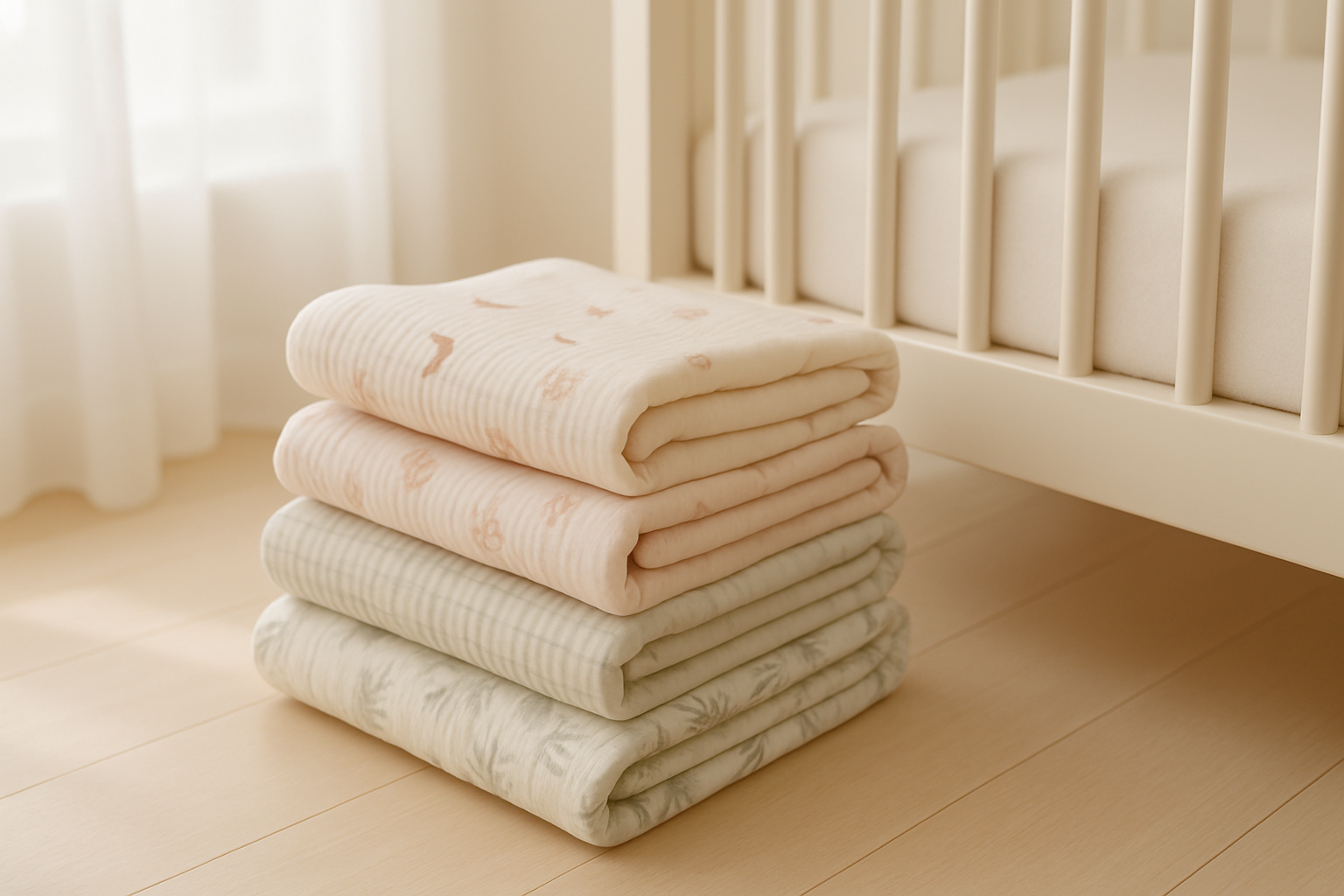
If you want the short answer first, here it is: the best organic swaddle blankets are breathable GOTS-certified organic cotton muslin or OEKO-TEX-tested bamboo viscose, in a true 47×47” size. Plan on 3 to 5 swaddles total — enough to survive a blowout, a spit-up, and a laundry day without a 2am crisis. And the rule that matters more than any fabric choice: swaddling stops the moment your baby shows any sign of rolling, which usually happens somewhere between 2 and 4 months. At that point you transition to a sleep sack, which keeps baby cozy with arms free.
That’s the whole game. Everything else — muslin versus bamboo, stretchy wraps versus velcro pods, which certifications to trust — is about picking the version that fits your baby, your climate, and your patience level at 3am. And that’s where I can actually help.
I’m Angela, and my job at 1 Stop Baby is reading the fine print so you don’t have to. Swaddles are one of the products where the marketing gets fluffy fast — “silky soft,” “cloud-like,” “eco-luxe” — while the label quietly says nothing about how the fabric was grown, processed, or dyed. Since this is a blanket that spends hours pressed against your newborn’s face and gets chewed on the second those hands break free, the fabric sourcing genuinely matters here. Let’s break it all down: the fabrics, the safety rules, the sizing, and the surprisingly long second life a good swaddle has after the swaddling days end.
Muslin vs Bamboo vs Jersey vs Swaddle Pods: An Honest Comparison
There are really four categories of swaddle, and each one has a personality. Here’s how they actually compare on the things that matter: breathability, stretch, ease of wrapping when you’re half asleep, and how they hold up in the wash.
Baby Sleep Miracle
Help baby sleep through the night naturally
Get It →Organic cotton muslin
The classic, and my default recommendation. Muslin is an open-weave cotton that’s exceptionally breathable — air moves through it, which matters because overheating is one of the big things we’re avoiding in the sleep space. Good muslin starts a little crisp and gets softer with every single wash; a well-loved muslin swaddle at month three feels completely different from the one you unboxed. It has almost no stretch, so your wrap technique has to do the work, and it wrinkles like linen. It also dries fast and survives hundreds of washes. When it’s GOTS-certified organic cotton, you also know the fiber was grown without the pesticide load of conventional cotton and processed without a long list of restricted chemicals.
Bamboo viscose
Bamboo swaddles are the silky, drapey ones everyone raves about — noticeably softer than muslin out of the package, with a cool, fluid feel that’s lovely in warm climates and on heat-sensitive babies. Two honest caveats. First, “bamboo fabric” is almost always bamboo viscose, which means the plant went through a chemical process to become fiber — so the “natural bamboo” halo deserves a closer look, and an OEKO-TEX Standard 100 certification on the finished fabric is your reassurance that what actually touches your baby has been tested for harmful substances. I go deeper on this in my guide to whether bamboo baby clothes are safe. Second, bamboo is more delicate: it can pill or thin with rough washing, so cold wash, gentle cycle, low or no heat.
Stretchy jersey wraps
Jersey knit swaddles have built-in stretch, which makes them forgiving for wobbly first-time wraps — the fabric hugs back, so the swaddle stays put even if your technique is a work in progress. The trade-off is warmth: knit is denser than muslin, so a jersey wrap runs warmer and is better suited to cool rooms and winter babies. If you go jersey, go organic cotton and keep a close eye on room temperature.
Velcro and zip swaddle pods
These are the “no origami required” option — a shaped pouch with velcro wings or a zipper. At 3am, with a screaming newborn and one functioning eye, a zip pod is genuinely a gift. They also produce a consistent snugness every time, which some babies clearly prefer. The downsides: velcro shreds other fabrics in the wash (always close the tabs first), sizing is fixed so you may outgrow them quickly, and they have zero second life once swaddling ends — a flat muslin blanket keeps working for years, a pod doesn’t. My honest take: keep one or two pods for the desperate hours and build the rest of your stash from flat organic swaddles.
The Safe-Swaddling Rules (Please Don’t Skip These)
Swaddling is safe when it’s done right, and the rules are short enough to memorize:
- Snug at the chest, loose at the hips. Baby’s legs should be free to bend up and out, frog-style. A swaddle that pins the legs straight and tight can interfere with healthy hip development, so wrap firmly across the arms and chest and leave real room below.
- Back sleep, always. A swaddled baby goes down on their back for every sleep, naps included. No exceptions.
- Stop at the first sign of rolling. Not once baby rolls fully — at the first attempt. A swaddled baby who reaches their tummy can’t use their arms to reposition, and that’s the risk we never take. For most babies this lands between 2 and 4 months.
- Don’t overheat. A light muslin swaddle carries very little warmth on its own; a jersey or double-layer swaddle carries more. Check the back of baby’s neck — sweaty or hot means strip a layer. If you want the full room-temperature-to-layers cheat sheet, my guide on how to dress baby for sleep in any weather walks through TOG ratings in plain English.
- Nothing else in the crib. The swaddle is on the baby; the crib itself stays bare.
Sizes, How Many You Need, and the Second Life of a Good Swaddle
Size matters more than most registries let on. A true swaddling blanket is about 47×47 inches — big enough to get a secure wrap on a growing baby. The cute 30×30” “receiving blankets” that show up in gift sets are too small to swaddle anything but a very fresh newborn, and even then just barely. If it doesn’t say 47 inches (or 120 cm), it’s a burp cloth with ambitions.
How many? Three to five. One on the baby, one in the wash, one in reserve — that’s three. Add one or two if you’re not doing laundry daily or your baby is an enthusiastic spitter. You genuinely don’t need the twelve-pack; swaddling season is short.
Here’s the part that makes a quality organic swaddle one of the best cost-per-use buys in the nursery: the second life. Long after swaddling ends, that same muslin square becomes a burp cloth, a nursing cover, a stroller shade clipped over the canopy on a bright walk, a clean surface for diaper changes on the go, a playmat topper, and eventually a beloved “lovey” blanket. One important exception: never drape a blanket over a car seat or stroller in warm weather — even thin muslin traps heat inside like a greenhouse and blocks your view of baby. Shade comes from a canopy or a clip-on parasol, not a draped blanket. For the toddler years and beyond, our baby blankets collection picks up where swaddles leave off.
What to Look For When You’re Buying
When I screen swaddles for the shop, this is the checklist:
- Real certifications. GOTS for organic cotton (it covers the fiber and the processing), or OEKO-TEX Standard 100 for bamboo viscose and finished fabrics. A vague “made with organic materials” on the front of the package is not the same thing as a certification number you can verify.
- True 47×47” sizing for anything you actually plan to swaddle with.
- Pre-washed softness. Good makers pre-wash their muslin so it arrives soft instead of stiff. Either way, wash before first use.
- Low-impact dyes and no harsh finishes. Muted, water-based prints over neon, and skip anything marketed as wrinkle-free or stain-resistant — those finishes are chemical treatments a newborn doesn’t need against their cheek.
- Honest care instructions. If a swaddle can’t survive a normal wash cycle, it can’t survive a normal newborn.
Every swaddle in our sleep collection has been through that exact screen — certified fabrics, real swaddling dimensions, no sketchy finishes, and nothing that conflicts with our vegan and non-toxic standards. Here are the swaddles that passed:
Swaddles That Passed Our Screen
| Product | Best For | Price | |
|---|---|---|---|
| San Francisco Baby Muslin Swaddle Blankets – 3-Pack | Best Overall | $20.99 | View |
| Bearmoss Muslin Swaddle Blankets, 3 Pack, 40 x | Best Value | $19.69 | View |
| Love to Dream Swaddle Up Self-Soothing Sleep Sack | Editor's Pick | $32.95 | View |
| Copper Pearl Large Premium Knit Baby Swaddle Receiving | Great Choice | $26.95 | View |
| Organic Muslin Swaddle Blankets | Great Choice | $24.99 | View |
| Luvvie Luxuriously Soft Organic Cotton Swaddle Blanket 47x47 | Great Choice | $25.75 | View |
BEST OVERALL 
San Francisco Baby Muslin Swaddle Blankets – 3-Pack
$20.99
- Incredibly Soft: Made from a blend of 70% bamboo rayon and 30% cotton, these blankets offer a plush, cushy feel that’s perfect for delicate baby skin.
- Breathable Design: The open weave of muslin allows for optimal airflow, preventing overheating while your baby sleeps.
- Multi-Functional: Use these blankets for swaddling, as a lightweight stroller cover, or even a breastfeeding cover – they adapt to your needs!
- Stylish Patterns: Featuring charming designs, these swaddles are not only practical but also a delightful addition to your nursery decor.
- Easy to Clean: These blankets are machine washable, making them convenient for everyday use and easy care.
BEST VALUE 
Bearmoss Muslin Swaddle Blankets, 3 Pack, 40 x 38 Inches
$19.69
- Soft and Silky: Crafted from high-quality cotton, these swaddles are incredibly soft, ensuring your baby's comfort during sleep.
- Generously Sized: At 40 x 38 inches, they provide ample coverage to securely wrap your baby, preventing startling movements that can disrupt sleep.
- Versatile Use: These blankets serve multiple purposes, from a receiving blanket to a nursing cover, making them a practical addition to your baby essentials.
- Easy to Care For: Machine washable and durable, these swaddles become even softer with each wash, ideal for everyday use.
- Thoughtful Gift: Handmade and beautifully packaged, they make a perfect gift for baby showers or welcoming a new arrival.
EDITOR'S PICK 
Love to Dream Swaddle Up Self-Soothing Sleep Sack
$32.95
- Encourages self-soothing: The ARMS UP design allows little ones to move their hands freely to their mouths, helping them comfort themselves without the need for external aids.
- Easy swaddling in seconds: The convenient two-way zipper means you can securely wrap your baby with minimal effort, even during late-night diaper changes.
- Safety-focused: Made with stretchy fabric that hugs your baby snugly, reducing the risk of overheating and ensuring a safe sleep environment.
- Hip healthy: Recognized by the International Hip Dysplasia Institute, the Swaddle Up supports healthy hip development while keeping your baby cozy.
- Luxurious feel: Crafted from ultra-light jersey fabric, it's soft against delicate skin, making it a perfect choice for warm rooms.

Copper Pearl Large Premium Knit Baby Swaddle Receiving Blanket Kai
$26.95
- Generously sized: The 46” x 46” dimensions allow this swaddle to grow with your child, from newborn snuggles to toddler cuddles.
- Soft & stretchy: Crafted from a premium blend of polyester and rayon, it offers optimal softness while maintaining durability for everyday use.
- Stylish designs: With trendy prints that complement any nursery decor, it makes a thoughtful and fashionable gift for new parents.
- Lightweight & breathable: Designed to provide warmth without bulk, ensuring your little one stays comfortable no matter the season.
- Multi-functional: Perfect for swaddling, as a stroller blanket, or even a play mat, this blanket adapts to your family’s needs.
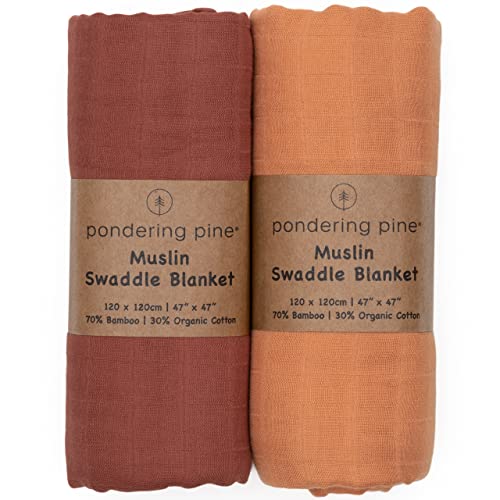
Organic Muslin Swaddle Blankets
$24.99
- Ultra-soft feel: Crafted from a gentle blend of muslin, these blankets are perfect for snuggling your newborn.
- Stylish designs: Featuring a chic eucalyptus leaves pattern alongside a solid sage option, these blankets add a trendy touch to any nursery.
- Generously sized: At 47" x 47", these swaddles give your baby plenty of room to move and grow comfortably.
- Versatile usage: Beyond swaddling, these blankets can be used as a play mat, stroller cover, or nursing shield.
- Perfect gift: An ideal baby shower choice, this two-pack stands out as a thoughtful and practical gift for expecting families.
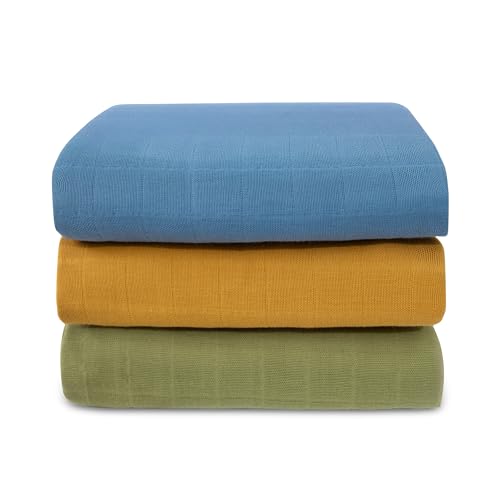
Luvvie Luxuriously Soft Organic Cotton Swaddle Blanket 47x47
$25.75
- Incredible Softness: Pre-washed to enhance its luxurious feel, this swaddle blanket envelops your baby in heavenly softness, making every nap a delightful experience.
- Versatile Use: With a generous size of 47 x 47 inches, it’s perfect not just for swaddling, but also functions beautifully as a nursing cover, stroller blanket, or cuddly companion.
- Promotes Sleep: The lightweight and breathable design mimics the snugness of the womb, helping your baby feel secure and promoting longer sleep periods.
- Timeless Style: Its elegant design features soothing colors that effortlessly complement your nursery decor while keeping your baby cozy.
- Durable & Easy Care: Machine washable and built to withstand the rigors of daily use, this blanket maintains its softness and shape wash after wash.
As an Amazon Associate we earn from qualifying purchases. We only recommend products we'd use ourselves — we're never paid for placement.
Frequently Asked Questions
How many swaddle blankets do I need?
Three to five. Three covers the essential rotation — one in use, one in the laundry, one clean and waiting. Bump to five if laundry happens less often at your house or your baby spits up frequently. Because good flat swaddles keep working as burp cloths, nursing covers, and playmat toppers, you won’t regret the ones you buy — but you also don’t need a mountain of them for a stage that lasts a few months.
When should I stop swaddling my baby?
At the very first sign of rolling — not after the first full roll. For most babies that’s between 2 and 4 months, though some show signs earlier. Rocking to one side, hiking a hip, planting a foot to push: any of those means the swaddle retires that day. From there, move to a sleep sack, which delivers the cozy-and-contained feeling with arms free for safe repositioning.
Is bamboo or cotton better for swaddles?
Both can be excellent; they’re just different personalities. GOTS-certified organic cotton muslin is the workhorse — maximally breathable, durable through endless washes, and softer with age. OEKO-TEX-tested bamboo viscose is silkier and cooler to the touch, which is wonderful for warm climates, but it’s more delicate in the wash and the “natural bamboo” marketing deserves scrutiny since the fiber is chemically processed. If I could only pick one for a registry, I’d pick certified organic cotton muslin and add one bamboo swaddle for hot nights.
Can my baby sleep with a swaddle blanket loose in the crib?
No. A swaddle is only safe when it’s wrapped snugly on the baby. A loose blanket in the crib — muslin, bamboo, or otherwise — is a suffocation hazard for the entire first year. Once your baby outgrows swaddling, the crib stays bare and a sleep sack does the blanket’s job.
Wrapping a wriggly newborn at 3am is a skill nobody feels graceful at on night one — but with the right blanket in your hands, you’ll get there faster than you think. You’ve got this.
Angela's Recommended Resources
Guides and courses I personally recommend:
Most Popular
Baby Sleep Miracle
Proven gentle method to help your baby sleep through the night naturally. No cry-it-out, science-backed.
* Affiliate links. We may earn a commission at no extra cost to you.