- Angela’s Picks
- Shop by Age
- Shop by Category
- Shop by Values
- Montessori Toys
- Sensory Toys
- Teething Toys
- Wooden Toys
- Educational Toys
- Stacking & Sorting Toys
- Baby Bottles
- Sippy Cups
- Plates & Bowls
- Bibs
- Baby Utensils
- Deals
- High Chairs
- Breastfeeding & Nursing
- Snack Containers
- Crib Mattresses
- Bassinets
- Sleep Sacks & Swaddles
- Baby Blankets
- Baby Monitors
- Cribs & Nursery Furniture
- Baby Shampoo & Wash
- Baby Lotion & Oil
- Baby Sunscreen
- Bath Tubs & Seats
- Towels & Washcloths
- Diaper Cream & Balm
- Eco-Friendly Diapers
- Baby Wipes
- Potty Training
- Changing Pads
- Cloth Diapers
- Baby Thermometers
- Baby Proofing
- Baby Gates
- Humidifiers
- First Aid & Grooming
- Onesies & Bodysuits
- Sleepers & Pajamas
- Hats & Mittens
- Nursing Pads
- Breast Pumps & Accessories
- Postpartum Care
Are Bamboo Baby Clothes Safe? An Honest Look at What “Bamboo” Really Means

Quick Answer
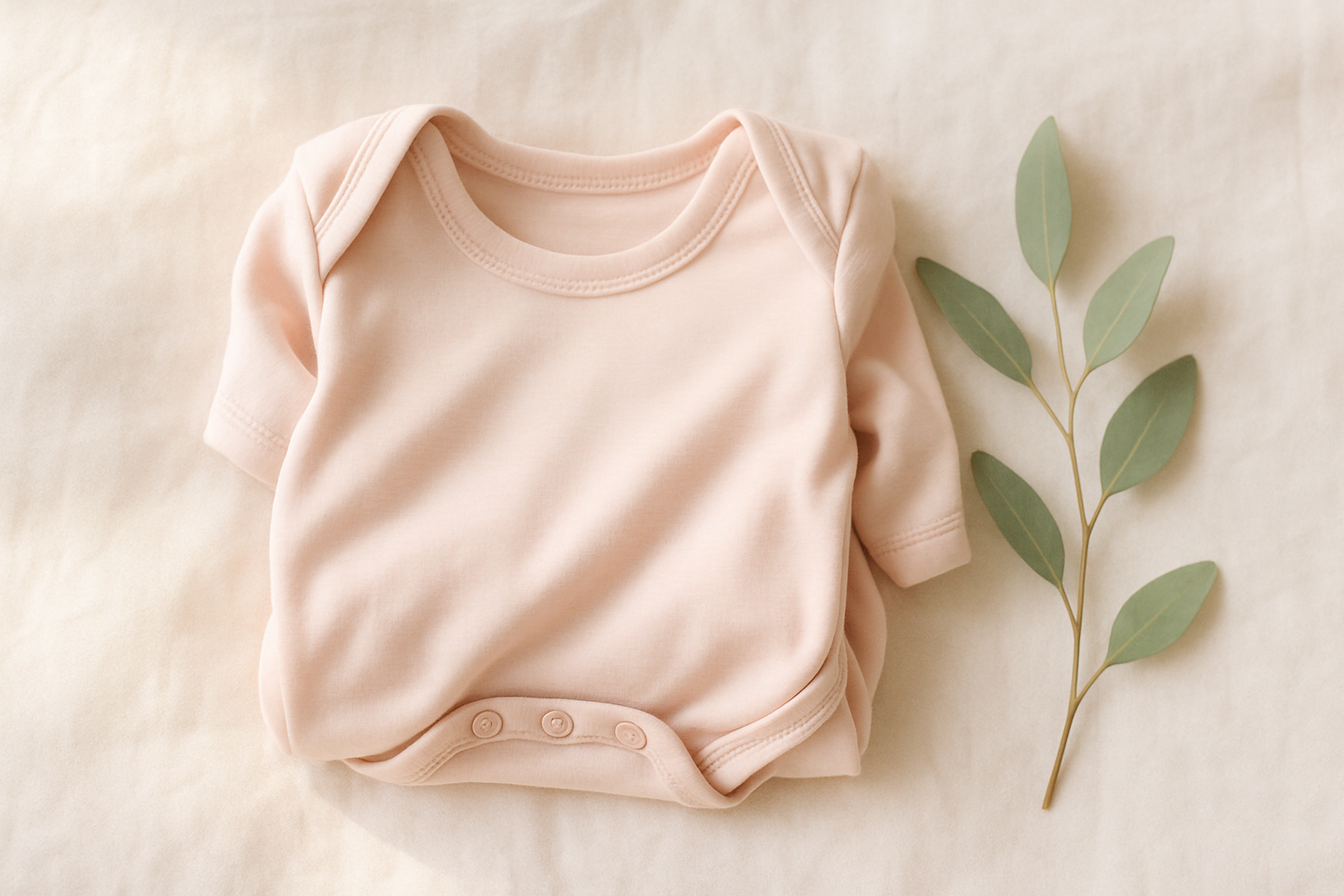
Are bamboo baby clothes safe? Yes, generally, but most bamboo is actually viscose. Here's the honest truth and what to look for.
If you’ve shopped for baby clothes lately, you’ve probably noticed the word “bamboo” everywhere — usually right next to words like natural, eco, and pure. It feels like an easy yes for a mama trying to keep things gentle and non-toxic. So let’s answer the real question you came here for, honestly and without the marketing gloss.
Are bamboo baby clothes safe? In short: yes. Bamboo baby clothes are soft, breathable, and generally safe for your little one to wear every day. But here’s the nuance most brands skip — the vast majority of “bamboo” fabric isn’t a raw, natural fiber spun straight from the plant. It’s bamboo viscose (also called bamboo rayon), which is made by breaking the plant down with chemicals and reforming it into a fiber. The finished fabric is considered safe to wear, and most of those processing chemicals are washed out before it ever reaches you. But it’s not the untouched “natural eco miracle” the label sometimes implies.
The single most useful thing you can do is look for an OEKO-TEX certification, which means the finished fabric has been tested for harmful residues. That one little label does more for your peace of mind than the word “bamboo” ever will. Now let me walk you through the why.
Wait — Bamboo Isn’t Just Bamboo?
This was the part that surprised me too. “Bamboo” on a clothing tag doesn’t tell you how the fabric was made, and the how matters a lot. There are really three different things hiding behind that one word.
1. Bamboo Viscose / Rayon (the most common by far)
Almost every “bamboo” onesie, sleeper, and swaddle you’ll find is bamboo viscose. The bamboo plant is dissolved using chemicals, pushed through tiny holes to form fibers, then spun into thread. It’s a chemical-intensive process, which is why calling the end result “all natural” is a bit of a stretch. The good news: the finished fabric is regulated, the chemicals are largely washed out, and it’s widely considered safe to wear. It’s also what gives bamboo that famously buttery softness.
Baby Sleep Miracle
Help baby sleep through the night naturally
Get It →2. Bamboo Lyocell (the cleaner cousin)
Lyocell is made using a “closed-loop” process, which means the solvents used to break down the plant are captured and reused rather than dumped out. It’s a meaningfully cleaner, lower-waste way to make a similar fabric. It’s less common and usually costs a little more, but if you see “bamboo lyocell” on a label, that’s a genuinely good sign.
3. Bamboo Linen (rare, truly mechanical)
This is the one closest to what people picture when they hear “natural bamboo.” Bamboo linen is made by mechanically crushing and combing the plant fibers — no harsh chemical bath. The catch is it’s labor-intensive, expensive, and tends to feel more textured and crisp than soft. You’ll rarely see it in baby clothes, which is honestly part of the point: when a label just says “bamboo” and feels silky-soft, it’s almost certainly viscose, not linen.
So Why Does Everyone Say “Bamboo Is Eco-Friendly”?
Because part of it is true — and part of it is oversimplified. The plant is genuinely impressive: bamboo grows fast, needs little water, and usually doesn’t require pesticides. That’s a real environmental win at the farming stage.
The oversimplification happens when that “eco” halo gets stretched to cover the entire fabric, processing and all. Turning a tough, woody plant into something silky-soft usually takes a lot of chemistry, and that part isn’t automatically green. So “bamboo equals eco” is true for the crop, fuzzier for the finished cloth. None of this makes bamboo a bad choice — it just means the honest answer is “it depends on how it was made.”
The Genuinely Lovely Things About Bamboo
I don’t want the myth-busting to make bamboo sound like a problem, because it really isn’t. There’s a reason so many parents (me included) keep reaching for it:
- It’s wonderfully soft. That silky hand-feel is gentle against delicate newborn skin and rarely feels scratchy.
- It’s breathable and temperature-regulating. Bamboo fabric tends to feel cool and airy, which is lovely for babies who run warm or for layering in summer.
- It wicks moisture. It moves dampness away from the skin nicely, which can help with that constant baby drool, spit-up, and sweat.
- It’s often kind to sensitive skin. Many parents find it sits gently on eczema-prone or reactive skin because it’s smooth and breathable.
If your little one struggles with redness or flare-ups, soft breathable fabrics are only one piece of the puzzle — what goes on their skin matters just as much. You can find gentle, thoughtfully chosen options in our bath & skincare collection.
Bamboo Viscose vs. Organic Cotton: How Do They Compare?
This is the comparison I get asked about most. Both are great — they just shine in slightly different ways.
GOTS-certified organic cotton is about as transparent as it gets. The GOTS standard covers the whole journey — from how the cotton is grown to how the fabric is processed and dyed — with real limits on the chemicals allowed. It’s a little less silky than bamboo, but it’s sturdy, time-tested, and the certification leaves very little to guess about.
Bamboo viscose wins on pure softness and that cool, drapey feel, and it’s lovely for sensitive skin. The trade-off is that its “eco” story depends heavily on the processing, which a tag rarely spells out. My honest take: there’s no single winner. GOTS organic cotton gives you the cleanest top-to-bottom story; bamboo gives you that unbeatable softness.
What to Look For in Bamboo Baby Clothes
Here’s the cheat sheet I wish someone had handed me. When you’re shopping bamboo, look for:
- OEKO-TEX certification (especially Standard 100). This is the big one. It means the finished fabric was tested for harmful residues — your best signal that what touches baby’s skin is safe.
- “Lyocell” on the label, if you can find it. It points to that cleaner, closed-loop process versus standard viscose.
- A reputable, transparent brand. Companies proud of their sourcing tend to say how the fabric is made instead of just stamping “natural” on the tag.
- Clear fiber content. Look for the actual breakdown (e.g., “bamboo viscose” with any spandex listed) rather than a vague “bamboo.”
- A simple wash-first habit. Washing new clothes before the first wear is always a gentle, smart move.
If you’d rather skip the label-reading homework, that’s exactly why I built our shop the way I did. Everything in our baby clothing collection is chosen with these same gentle, non-toxic standards in mind, so the vetting is already done for you.
Soft Bamboo & Organic Basics
| Product | Best For | Price | |
|---|---|---|---|
| KYTE BABY Unisex Rayon Made From Bamboo Zippered | Best Overall | $37.99 | View |
| Little Sleepies Cloud Blanket, Soft Bamboo Toddler Blanket | Best Value | $79.00 | View |
| Leyl & Ari Bamboo Muslin Swaddle Blanket | Editor's Pick | $18.99 | View |
| HardNok Muslin Bamboo Viscose Baby Blanket, 43 x | Great Choice | $9.49 | View |
| Believe Baby 100% Bamboo Viscose Diapers - 25 | Great Choice | $29.99 | View |
| Ultra Soft Bamboo Viscose Swaddle Blankets for Newborns | Great Choice | $21.99 | View |
BEST OVERALL 
KYTE BABY Unisex Rayon Made From Bamboo Zippered Rompers 0-24 Months
$37.99
- Made from 97% rayon derived from bamboo, providing a soft, luxurious feel against your baby's delicate skin.
- Convenient twin zipper design makes diaper changes a breeze, saving you time and avoiding fuss.
- Fold-over cuffs on preemie and newborn sizes help prevent scratching, keeping your little one safe and comfortable.
- The addition of sole grips for toddlers ages 6-12 months offers extra stability as they begin to explore their surroundings.
- Available in a range of sizes, including preemie for the tiniest of tots, ensuring a perfect fit for every stage of growth.
BEST VALUE 
Little Sleepies Cloud Blanket, Soft Bamboo Toddler Blanket
$79.00
- Generously sized at 50” x 50”, it offers ample coverage for your toddler during nap time, movie nights, or cozying up on the couch.
- Double-sided design featuring a playful print on one side and a coordinating solid on the other, making it versatile for any nursery decor.
- Ideal for multiple uses—perfect as a throw blanket, travel companion, or even for picnics in the park.
- Great for matching! Easily coordinate with your favorite pajamas or bed linens for those adorable family photo opportunities.
- A thoughtful gift option for baby showers or birthdays that is sure to bring smiles and warmth to any toddler.
EDITOR'S PICK 
Leyl & Ari Bamboo Muslin Swaddle Blanket
$18.99
- Multiple Uses: Perfect for swaddling, stroller cover, tummy time, or even as a nursing cover, this blanket adapts to your family’s needs.
- Breathable Fabric: Made from a blend of organic cotton and bamboo, this swaddle prevents overheating, ensuring a cozy sleep environment.
- Soft and Gentle: The muslin weave creates an airy and delicate texture that is gentle against your baby's sensitive skin.
- Trendy Design: Available in stylish, gender-neutral patterns, it complements any nursery decor.
- Thoughtful Gift: This blanket makes a perfect present for baby showers, birthdays, or just to pamper your own little one.
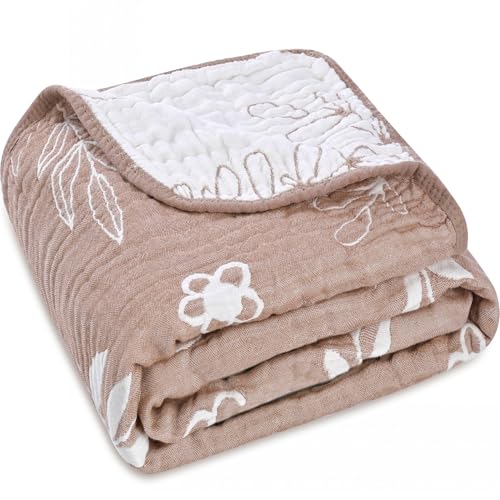
HardNok Muslin Bamboo Viscose Baby Blanket, 43 x 43 Inches
$9.49
- Ultra-Soft Feel: The combination of cotton muslin and bamboo viscose creates a buttery-soft texture that gently embraces your baby's delicate skin.
- Perfect Thickness: With six layers of fabric, this blanket strikes the ideal balance between warmth and breathability, keeping your baby cozy without overheating.
- Durable and Functional: The jacquard process ensures a seamless integration of layers, enhancing its strength and beauty while making it machine washable for busy parents.
- Timeless Design: Available in an elegant pure color series, this blanket adds a touch of understated charm to your nursery while matching various decor styles.
- Thoughtful Gift: Beautifully packaged in Kraft Paper DIY, this blanket makes for a heartfelt gift that new parents will treasure.
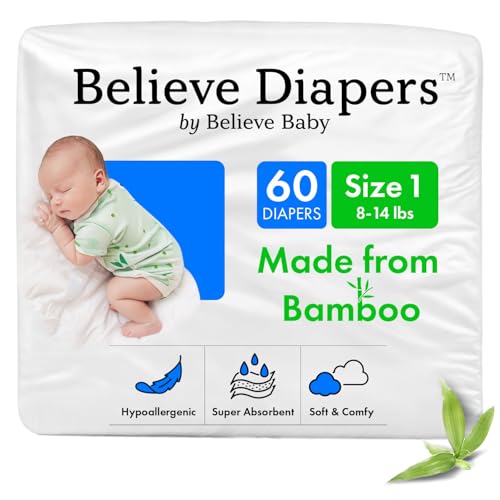
Believe Baby 100% Bamboo Viscose Diapers - 25 Ct
$29.99
- Hypoallergenic and Gentle: Made from 100% bamboo viscose, these diapers are free from harsh chemicals, fragrances, and preservatives, making them perfect for babies with sensitive skin.
- Super Absorbent: The advanced absorbent core locks in moisture, keeping your little one dry and comfortable for longer, which is a game-changer for restful nights.
- Flexible and Secure Fit: Featuring a soft elastic waistband and flexible leg cuffs, these diapers offer a snug fit that moves with your baby, reducing the chances of leaks.
- Belly Button Cutout: Specially designed with a cutout for newborns, these diapers ensure comfort around the umbilical area during those early days.
- Giving Back: With every purchase, Believe Baby donates a diaper to a family in need, making your choice not only smart but compassionate.

Ultra Soft Bamboo Viscose Swaddle Blankets for Newborns
$21.99
- Unmatched Softness: Crafted from 70% bamboo viscose, this blanket feels luxurious against your baby’s skin, promoting a sense of security and comfort.
- Versatile Use: Whether you’re swaddling your newborn, covering up during nursing, or using it as a stroller cover, this blanket adapts to your needs seamlessly.
- Breathable Fabric: The lightweight muslin material allows for proper airflow, helping to maintain your baby's body temperature during sleep.
- Generously Sized: At 47 x 47 inches, this blanket provides ample coverage for swaddling and other uses, ensuring your little one is well wrapped and cozy.
- Easy Care: Machine washable and dryer safe, keeping this swaddle fresh and clean is hassle-free, allowing for more quality time with your baby.
As an Amazon Associate we earn from qualifying purchases. We only recommend products we'd use ourselves — we're never paid for placement.
Frequently Asked Questions
Is bamboo fabric toxic?
No, the finished fabric is not considered toxic to wear. While bamboo viscose is made using a chemical-heavy process, those chemicals are largely washed out of the final product, and certifications like OEKO-TEX exist specifically to test for harmful residues. Choosing certified pieces — and washing them before first wear — gives you solid peace of mind.
Is bamboo or organic cotton better for babies?
Neither is universally “better” — they’re just different. GOTS-certified organic cotton offers the most transparent, top-to-bottom standard for how it’s grown and processed. Bamboo viscose wins on softness and breathability and is often lovely for sensitive skin. Both are wonderful choices when they’re certified.
Is bamboo clothing good for eczema?
It can be a good fit. Bamboo fabric is smooth, breathable, and moisture-wicking, which means less friction and less trapped sweat — both things that tend to irritate eczema-prone skin. That said, fabric is just one factor. Gentle bathing and the right skincare matter too, and it’s always worth checking with your pediatrician about persistent flare-ups.
Does “bamboo” on the label mean it’s natural?
Not necessarily. Unless the label specifically says bamboo linen (a rare, mechanically processed fabric), “bamboo” almost always means bamboo viscose or rayon — a fiber that starts as a plant but is chemically reformed. It’s perfectly safe to wear; it’s just not the untouched natural fiber the word can suggest.
At the end of the day, bamboo baby clothes are a soft, breathable, genuinely lovely choice — you just deserve to know what you’re actually buying, and now you do. Find more honest guides in our parenting resources hub. — Angela
Angela's Recommended Resources
Guides and courses I personally recommend:
Most Popular
Baby Sleep Miracle
Proven gentle method to help your baby sleep through the night naturally. No cry-it-out, science-backed.
* Affiliate links. We may earn a commission at no extra cost to you.