- Angela’s Picks
- Shop by Age
- Shop by Category
- Shop by Values
- Montessori Toys
- Sensory Toys
- Teething Toys
- Wooden Toys
- Educational Toys
- Stacking & Sorting Toys
- Baby Bottles
- Sippy Cups
- Plates & Bowls
- Bibs
- Baby Utensils
- Deals
- High Chairs
- Breastfeeding & Nursing
- Snack Containers
- Crib Mattresses
- Bassinets
- Sleep Sacks & Swaddles
- Baby Blankets
- Baby Monitors
- Cribs & Nursery Furniture
- Baby Shampoo & Wash
- Baby Lotion & Oil
- Baby Sunscreen
- Bath Tubs & Seats
- Towels & Washcloths
- Diaper Cream & Balm
- Eco-Friendly Diapers
- Baby Wipes
- Potty Training
- Changing Pads
- Cloth Diapers
- Baby Thermometers
- Baby Proofing
- Baby Gates
- Humidifiers
- First Aid & Grooming
- Onesies & Bodysuits
- Sleepers & Pajamas
- Hats & Mittens
- Nursing Pads
- Breast Pumps & Accessories
- Postpartum Care
Best Non-Toxic Baby Wipes: A Complete Ingredient Guide (2026)

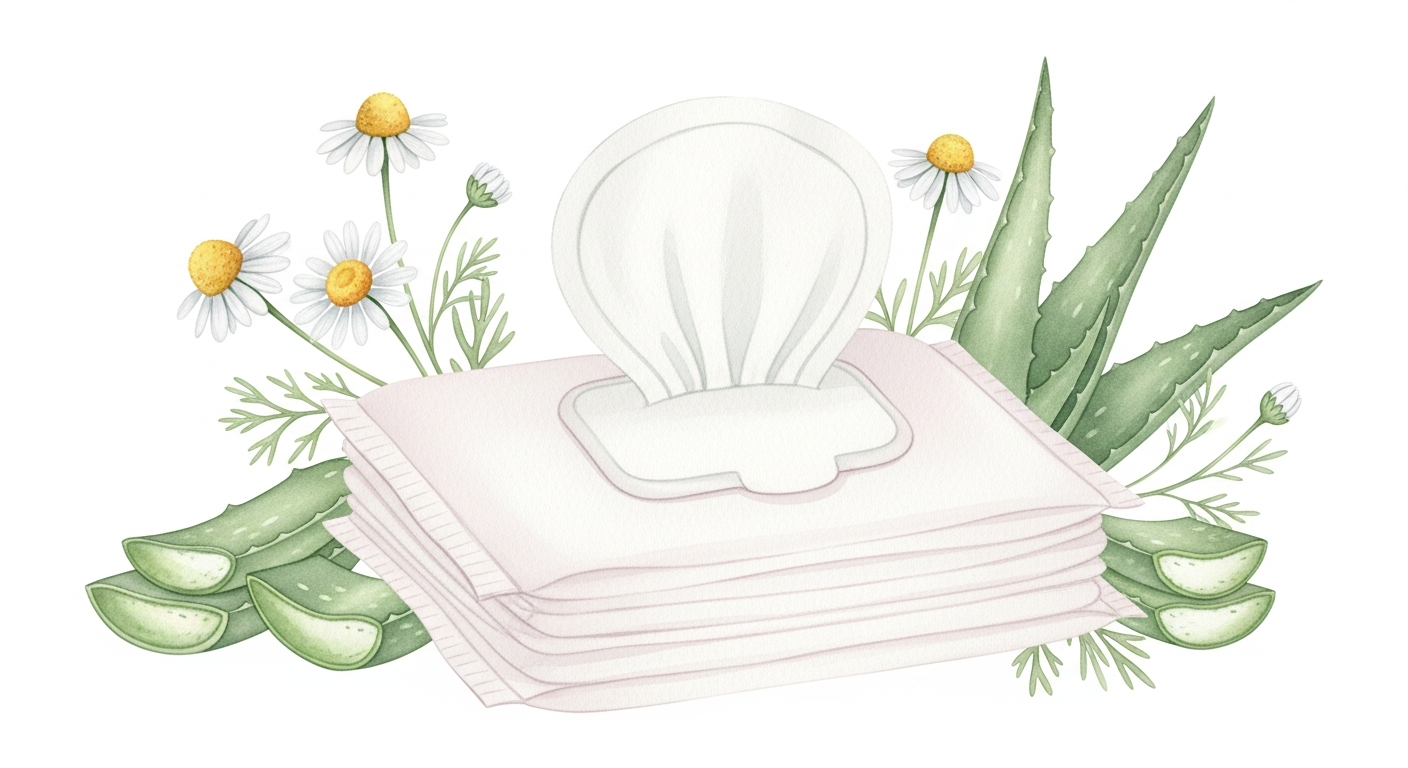
Quick Answer
Compare the safest non-toxic baby wipes without parabens, phthalates, or synthetic fragrances. Plus learn which ingredients to avoid and what to look for.
You will use thousands of baby wipes in your child’s first few years. Thousands. Between diaper changes, messy hands, sticky faces, and everything in between, wipes are one of the most frequently used baby products. And yet, many parents never flip the package over to check what is actually in them.
When I started reading baby wipe ingredient lists, I found preservatives linked to allergic reactions, fragrances made from dozens of undisclosed chemicals, and surfactants that strip the natural oils from baby’s delicate skin. Let me break down what actually matters so you can make a quick, confident choice at the store.
Best Non-Toxic Baby Wipes
| Product | Best For | Price | |
|---|---|---|---|
| WaterWipes Original Baby Wipes, 99.9% Water Based, Unscented | Best Overall | $4.29 | View |
| Amazon Elements Baby Wipes, Sensitive, 80 Count, Flip-Top | Best Value | $20.24 | View |
| Amazon Brand - Mama Bear Saline Nose and | Editor's Pick | $18.67 | View |
| Parasol Co Diapers and Wipes | Great Choice | $30.00 | View |
| Mimorou 45 Pcs Reusable Flannel Baby Wipes 8 | Great Choice | $24.99 | View |
| Pampers Baby Wipes Sensitive Perfume Free Pop-Top Packs | Great Choice | $2.34 | View |
BEST OVERALL 
WaterWipes Original Baby Wipes, 99.9% Water Based, Unscented
$4.29
- Minimal Ingredients: With just water and a drop of fruit extract, these wipes are free from artificial fragrances, parabens, and sulfates.
- Gentle on Sensitive Skin: Ideal for premature, newborn, and sensitive skin, ensuring comfort and safety with every wipe.
- Hypoallergenic & Plant-Based: Being plant-based and hypoallergenic makes them suitable for all skin types, including those prone to allergies and eczema.
- Versatile Use: Not just for babies, they can also be used for adults, pets, and surfaces, making them a practical choice for busy families.
- Dermatologist Approved: Trusted by experts, these wipes are recognized for their safety and efficacy.
BEST VALUE 
Amazon Elements Baby Wipes, Sensitive, 80 Count, Flip-Top Packs-PARNET
$20.24
- Made with naturally derived ingredients and purified water, offering a soft, soothing touch.
- Free from harsh irritants such as fragrances, alcohol, dyes, parabens, and phthalates—ideal for minimizing the risk of skin reactions.
- Pediatrician and dermatologist examined for an extra layer of reassurance.
- Convenient flip-top pack design for easy access and quick clean-up on-the-go.
- Designed to be delicate enough for even the littlest bottoms, giving you peace of mind during diaper changes.
EDITOR'S PICK 
Amazon Brand - Mama Bear Saline Nose and Face Baby Wipes
$18.67
- Gently cleanses your baby's nose and face, making it perfect for daily use.
- Infused with aloe and vitamin E to nourish and hydrate sensitive skin.
- Unscented formula reduces the risk of irritation, suitable for even the most sensitive skin types.
- Hypoallergenic and free from alcohol, parabens, and phthalates, ensuring a safe choice for your baby.
- Convenient reclosable packs keep wipes moist, with multipacks that allow you to have them at home or on the go.

Parasol Co Diapers and Wipes
$30.00
- Ultra-soft and breathable materials that keep your baby's sensitive skin comfortable and dry.
- Absorbent and leak-proof designs provide worry-free protection, day or night.
- Biodegradable wipes that are gentle enough for delicate skin, yet effective for messes.
- Free from harmful chemicals, fragrances, and dyes, ensuring a safe experience for your baby.
- Convenient packaging that makes diaper changes quick and hassle-free, even on the go.

Mimorou 45 Pcs Reusable Flannel Baby Wipes 8 x 8 Inches
$24.99
- Generous Quantity: With 45 wipes in five vibrant colors, you’ll always have a clean one on hand for daily use and emergencies.
- Ultra-Soft Material: Made from high-quality cotton and flannel, these wipes are soft, skin-friendly, and perfect for sensitive baby skin.
- Durable Design: The precise knitting technology used for the color-stitched edges ensures long-lasting quality, so you can use them day after day.
- Travel-Friendly: Lightweight and stackable, these wipes are easy to carry, making them perfect for on-the-go parents and trips.
- Versatile Usage: Not just for diaper changes, these wipes can also be used for cleaning hands and faces, making them a multi-purpose essential.

Pampers Baby Wipes Sensitive Perfume Free Pop-Top Packs
$2.34
- Gentle on Skin: The sensitive formula is designed to be soft and soothing, perfect for newborns or babies with sensitive skin.
- Pop-Top Convenience: The easy-to-use pop-top design allows for quick access and helps keep wipes moist, ensuring you're always ready for any diaper change.
- Alcohol-Free: These wipes are free from harsh alcohol, making them safe for everyday use on your baby's delicate areas.
- Minimal Ingredients: With a focus on simplicity, these wipes contain fewer additives, catering to parents who prioritize minimalism in their baby’s products.
- Dermatologically Tested: Pampers backs their product with testing, giving parents peace of mind regarding the safety and comfort of their little ones.
As an Amazon Associate we earn from qualifying purchases. We only recommend products we'd use ourselves — we're never paid for placement.
Baby Sleep Miracle
Help baby sleep through the night naturally
Get It →Ingredients to Avoid in Baby Wipes
Fragrances
The word “fragrance” on an ingredient list can hide up to 3,000 different chemical compounds. Many are linked to allergies, hormone disruption, and respiratory irritation. Even “unscented” wipes can contain masking fragrances. Look specifically for “fragrance-free” on the label, which means no fragrance chemicals were added at all.
Parabens
Methylparaben, propylparaben, and butylparaben are preservatives that have been detected in human tissue samples and are suspected endocrine disruptors. While the debate about their safety continues in scientific circles, many parents prefer to avoid them entirely, especially on a product used on such sensitive areas.
Phenoxyethanol
This preservative replaced parabens in many “clean” products, but it is not without concerns of its own. The FDA has warned about its potential effects on infant nervous systems at high concentrations. While the amounts in baby wipes are generally considered safe, parents who want to minimize chemical exposure often choose to avoid it.
MIT and CMIT
Methylisothiazolinone (MIT) and chloromethylisothiazolinone (CMIT) are preservatives that became notorious for causing severe allergic contact dermatitis in babies. Many major brands have removed them, but always check the label. These ingredients were responsible for rash outbreaks that led to recalls.
Polyethylene Glycol (PEGs)
PEGs are used as surfactants and skin conditioners, but the manufacturing process can introduce 1,4-dioxane, a probable carcinogen. Look for PEG followed by any number on the ingredient list.
Alcohol
Denatured alcohol or ethanol can dry and irritate baby’s skin. Some wipes use it as a quick-drying agent. Not all alcohols are bad though. Cetyl alcohol and cetearyl alcohol are fatty alcohols that actually moisturize. It is the drying alcohols you want to avoid.
Best Non-Toxic Baby Wipes We Recommend
Best Overall: Water Wipes
With just two ingredients, purified water and a drop of fruit extract, Water Wipes are about as minimal as it gets. They are the world’s purest baby wipes and are recommended by dermatologists and midwives globally. The only downside is they dry out faster than chemical-laden alternatives since there are no synthetic preservatives keeping them moist indefinitely.
Best Plant-Based: MADE OF Organic Baby Wipes
MADE OF uses USDA-certified organic ingredients including aloe, chamomile, and calendula. They are free from all the major offenders: no parabens, phthalates, sulfates, fragrances, chlorine, or alcohol. The bamboo-based cloth is biodegradable, making them an eco-friendly choice too.
Best for Sensitive Skin: Pampers Aqua Pure
If you prefer a mainstream brand with wide availability, Pampers Aqua Pure is a significant step up from regular Pampers wipes. Made with 99 percent pure water and organic cotton, they are free from parabens, fragrance, and alcohol. Available at most grocery stores, which is a real convenience factor.
Best Eco-Friendly: Natracare Organic Baby Wipes
Natracare combines clean ingredients with environmental consciousness. The cloth is made from organic cotton and sustainably sourced wood pulp. They are free from SLS, parabens, MIT, and alcohol. Plus, they are certified by the Soil Association and are plastic-free, which means they actually biodegrade unlike most conventional wipes.
Best Budget: Seventh Generation Free and Clear
For everyday use when you are going through packs at lightning speed, Seventh Generation offers a good balance of clean ingredients and affordability. They are free from fragrance, parabens, and MIT. The cloth contains some polyester, so they are not fully biodegradable, but the ingredient list is solid for the price.
What About DIY Wipes?
Some parents make their own wipes using paper towels or cloth wipes with a homemade solution of water, aloe vera, and a few drops of gentle soap. This gives you complete control over ingredients and can save money long-term. The drawback is convenience since you need to prepare batches regularly, and homemade solutions without preservatives should be used within a few days to prevent bacterial growth.
Reading Baby Wipe Labels Like a Pro
Here is a quick checklist when evaluating any baby wipe. Look for a short ingredient list since fewer ingredients generally means fewer potential irritants. Check for “fragrance-free” not just “unscented.” Verify specific claims with certifications like USDA Organic, OEKO-TEX, or EWG Verified. Avoid wipes that list ingredients you cannot pronounce or find information about. And test new wipes on a small area of your baby’s skin before committing to a full pack.
The Bottom Line
Given how many wipes touch your baby’s skin every single day, switching to a non-toxic option is one of the highest-impact changes you can make. You do not need to spend a fortune either. Even moving from a conventional wipe to a simple water-based option dramatically reduces daily chemical exposure. Start with one pack of a cleaner alternative and see how your baby’s skin responds. Most parents notice softer skin and fewer rashes within the first week.
Angela's Recommended Resources
Guides and courses I personally recommend:
Most Popular
Baby Sleep Miracle
Proven gentle method to help your baby sleep through the night naturally. No cry-it-out, science-backed.
Children Learning Reading
Phonics-based reading program for young children. Simple 15-minute daily lessons that work.
* Affiliate links. We may earn a commission at no extra cost to you.