- Angela’s Picks
- Shop by Age
- Shop by Category
- Shop by Values
- Montessori Toys
- Sensory Toys
- Teething Toys
- Wooden Toys
- Educational Toys
- Stacking & Sorting Toys
- Baby Bottles
- Sippy Cups
- Plates & Bowls
- Bibs
- Baby Utensils
- Deals
- High Chairs
- Breastfeeding & Nursing
- Snack Containers
- Crib Mattresses
- Bassinets
- Sleep Sacks & Swaddles
- Baby Blankets
- Baby Monitors
- Cribs & Nursery Furniture
- Baby Shampoo & Wash
- Baby Lotion & Oil
- Baby Sunscreen
- Bath Tubs & Seats
- Towels & Washcloths
- Diaper Cream & Balm
- Eco-Friendly Diapers
- Baby Wipes
- Potty Training
- Changing Pads
- Cloth Diapers
- Baby Thermometers
- Baby Proofing
- Baby Gates
- Humidifiers
- First Aid & Grooming
- Onesies & Bodysuits
- Sleepers & Pajamas
- Hats & Mittens
- Nursing Pads
- Breast Pumps & Accessories
- Postpartum Care
Best Eco-Friendly Diapers That Actually Work

Quick Answer
Find eco-friendly diapers that actually work. Plant-based, chlorine-free, gentle on baby. Our honest guide to greener diapering.
Let me set the scene: it’s 3 AM, you’re on your fourth diaper change, and you’re wondering if the eco-friendly diapers you bought are going to hold up or create a situation you’ll be cleaning out of the car seat tomorrow. I get it. The fear is real.
Here’s the thing though — eco-friendly diapers in 2025 are not the eco-friendly diapers of 2015. They’ve gotten really, genuinely good. The technology has caught up with the mission. But not all green diapers are created equal, and some are better at marketing than they are at, well, containing things.
Best Eco-Friendly Diapers
| Product | Best For | Price | |
|---|---|---|---|
| Huggies Snug & Dry Size 5 Diapers, 25 | Best Overall | $9.99 | View |
| Amazon Brand Mama Bear Plush Protection Newborn Diapers | Best Value | $11.99 | View |
| NCREDIBLE Overnight Baby Diapers, 80 Count | Editor's Pick | $28.95 | View |
| Gerber 10-Pack Premium Cloth Diaper Prefold 6-Ply | Great Choice | $28.99 | View |
| Bellababy Baby Diaper Pail | Great Choice | $49.99 | View |
| Desitin Maximum Strength Baby Diaper Rash Cream | Great Choice | $7.97 | View |
BEST OVERALL 
Huggies Snug & Dry Size 5 Diapers, 25 Count
$9.99
- 2X Softness: Featuring CloudSoft absorbent layers and a soft waistband for maximum comfort against your baby’s delicate skin.
- Leak Lock Technology: Enjoy up to 100% leakage protection, thanks to the original Leak Lock blowout blocker that keeps messes contained.
- Fragrance-Free Formula: The only leading diaper brand that is completely fragrance-free, avoiding any potential irritation for your baby.
- Curved & Stretchy Fit: Designed for a customizable fit that adapts to your baby's movements, allowing for comfort and flexibility.
- Wetness Indicator: The convenient color-changing wetness indicator helps you know when it’s time for a change, making diaper duty a little easier.
BEST VALUE 
Amazon Brand Mama Bear Plush Protection Newborn Diapers
$11.99
- Ultra-soft core lining that feels velvety against your baby's delicate skin.
- 2X faster absorption than previous versions, reducing the chances of leaks and discomfort.
- FullProtect™ Channel technology actively pulls moisture away from the skin, promoting dryness.
- Stretchy fasteners and an elastic waistband provide a secure, custom fit that adapts to your baby's movements.
- Wetness indicator takes the guesswork out of diaper changes, ensuring your baby is always clean and comfortable.
EDITOR'S PICK 
NCREDIBLE Overnight Baby Diapers, 80 Count
$28.95
- Exceptional Absorbency: Boasting an innovative Dry Web Layer, these diapers effectively lock in moisture for up to 12 hours, giving you peace of mind through the night.
- Soft and Breathable: Made from premium materials, these diapers offer a soft touch that soothes your baby’s delicate skin while providing necessary durability.
- Leak-Proof Design: With reinforced leg gathers and a snug waistband, these diapers prevent leaks and blowouts, keeping your baby clean and dry.
- Skin-Friendly: Free from dyes and perfumes, these diapers are suitable even for the most sensitive skin, ensuring your baby's well-being.
- Eco-Conscious Choice: Crafted from sustainable materials, these diapers reflect your commitment to a healthier planet for future generations.

Gerber 10-Pack Premium Cloth Diaper Prefold 6-Ply
$28.99
- Absorbent Performance: The six layers of cotton provide extraordinary absorbency, perfect for keeping your baby dry during naps and overnight.
- Soft and Gentle: Made from 100% cotton, these prefolds are soft against your baby’s sensitive skin, reducing the risk of rashes and irritation.
- Versatile Usage: These prefolds can be used as diapers, burp cloths, or changing pads, making them an essential item in your baby care arsenal.
- Easy to Clean: Machine washable and dryer friendly, these prefolds simplify laundry day, allowing you to keep them fresh and ready for use.
- Cost-Effective: Using cloth diapers can save you money in the long run while being better for the environment compared to disposable options.
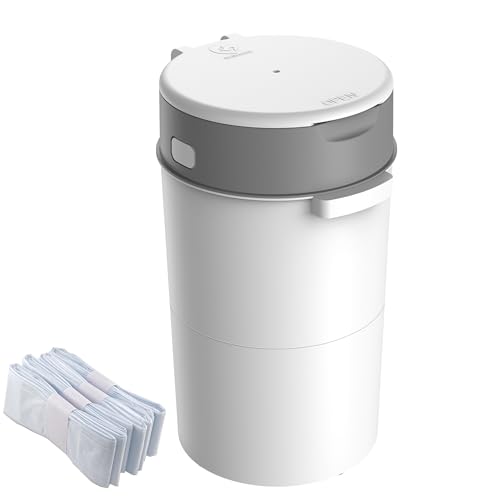
Bellababy Baby Diaper Pail
$49.99
- Double Odor Lock Technology: This diaper pail features individual packaging and a sealed lid that captures an incredible 99% of odors to keep your space smelling fresh.
- Effortless Operation: Simply place the used diaper in, rotate the handle 360°, and seal the lid—no mess, no fuss!
- Generous Capacity: With a 13L capacity, it can hold up to 28 diapers, minimizing trips to the trash and making life a bit easier for busy parents.
- Quality Materials: Made from durable materials, this pail is built to withstand daily use, and it’s easy to clean with just a rinse.
- Smart Design: Equipped with a suction cup to prevent tipping and a handy handle for easy transport, this pail is as functional as it is stylish.

Desitin Maximum Strength Baby Diaper Rash Cream
$7.97
- Maximum Strength Protection: With a clinically proven formula that protects for up to 12 hours, Desitin ensures your baby's skin stays safeguarded against moisture and irritation.
- 5-in-1 Action: This cream treats, heals, protects, soothes, and helps prevent diaper rash, giving you visible healing and tangible relief for your little one.
- Immediate Relief: The rich texture of the paste forms a protective barrier on the skin, offering instant comfort for chafed areas.
- Hypoallergenic Formula: Free from parabens, phthalates, and dyes, Desitin is dermatologist-tested and pediatrician-approved, making it gentle enough for everyday use.
- Convenient Application: Easy to apply, this cream can be used as often as needed, especially during extended periods in wet diapers.
As an Amazon Associate we earn from qualifying purchases. We only recommend products we'd use ourselves — we're never paid for placement.
Baby Sleep Miracle
Help baby sleep through the night naturally
Get It →What Makes a Diaper “Eco-Friendly”?
There’s a spectrum here, and it helps to know what you’re actually getting:
Plant-Based Materials
The best eco-friendly disposables use plant-based materials wherever possible: bamboo or sustainably harvested wood pulp instead of petroleum-based plastics, plant-based bioplastic liners, and natural absorbent cores. They won’t be 100% plant-based (the absorbent gel, SAP, is synthetic in all disposables), but they dramatically reduce the petroleum footprint.
What They Leave Out
Equally important is what eco-friendly diapers skip: chlorine bleaching (causes dioxin exposure), fragrance (unnecessary irritant), latex, parabens, and phthalates. If a diaper is “scented,” it’s a hard pass from me.
The Biodegradable Question
Here’s an uncomfortable truth: even “biodegradable” diapers won’t break down in a landfill. Landfills are designed to be anaerobic (no oxygen), and biodegradation needs oxygen. The real environmental benefit is in using fewer petroleum-based materials upfront and supporting companies investing in better solutions. Don’t feel guilty about this — it’s a systemic issue, not a personal failing.
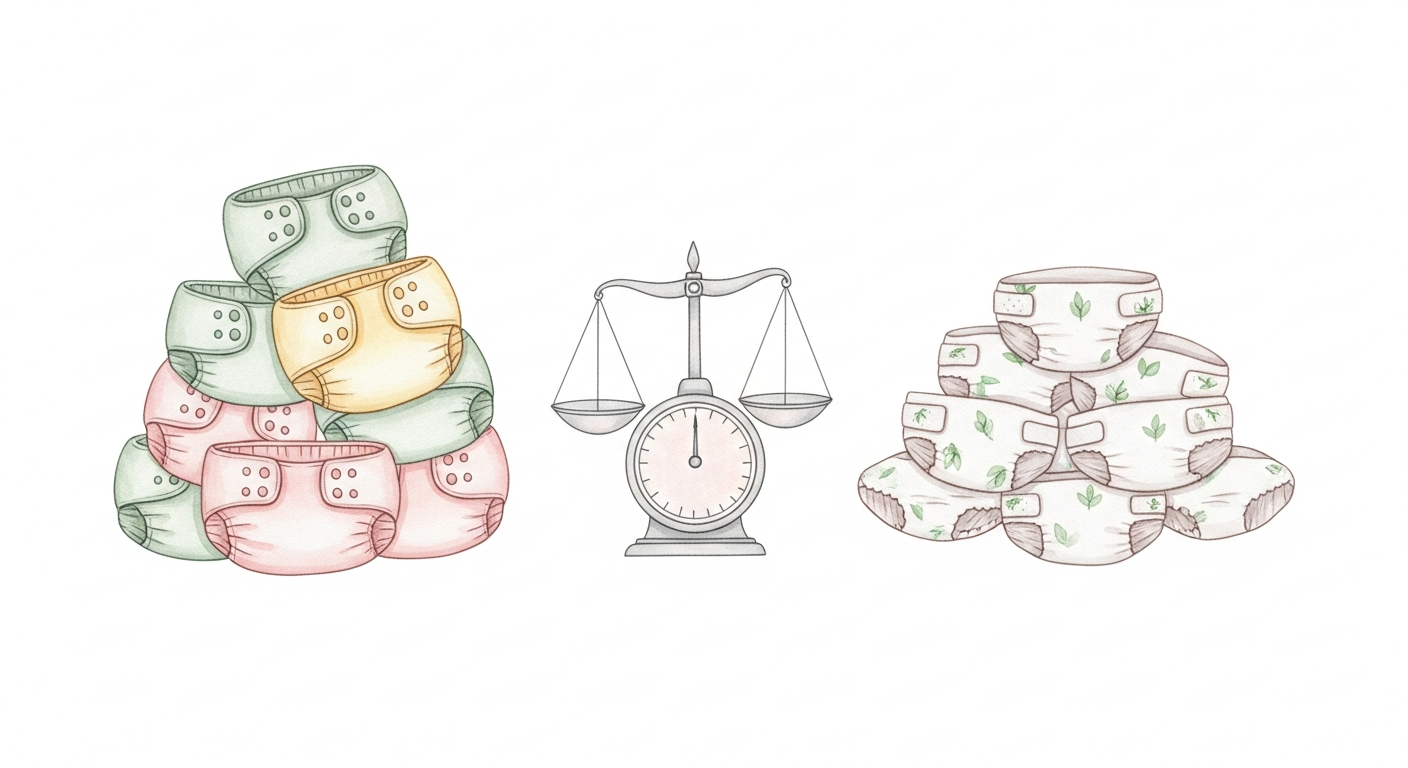
Disposable vs. Cloth: The Honest Comparison
Eco Disposables
Pros: Convenient, no laundry, great for daycare, travel-friendly. Modern eco disposables perform on par with conventional ones.
Cons: Still create waste (even if less), ongoing cost ($60-80/month), not truly biodegradable in landfills.
Cloth Diapers
Pros: Zero waste, save $1,000+ over diapering years, no chemicals touching baby’s skin, come in ridiculously cute prints.
Cons: Laundry (lots of it), upfront investment ($300-500), water and energy use, learning curve.
My take? Many families do a combo approach — cloth at home, eco disposables for daycare and outings. No shame in either choice.
What to Look For When Shopping
- TCF (Totally Chlorine-Free) processing — non-negotiable
- Fragrance-free — your baby doesn’t need to smell like lavender
- Plant-based top sheet — what touches baby’s skin should be gentle
- SAP core — the sodium polyacrylate gel is what keeps baby dry; all good diapers have it
- Wetness indicator — a surprisingly useful feature, especially for newborns
- Flexible leg cuffs — this is what prevents blowouts, and it matters more than you think
A Note on Cloth Diapers
If you’re considering cloth, the modern cloth diaper world is genuinely wonderful. All-in-ones (AIOs) work almost exactly like disposables — no pins, no folding. Pocket diapers let you customize absorbency. And the prints? Chef’s kiss. Your biggest decision will be choosing between snaps and velcro closures.
For materials, organic cotton and bamboo inserts are the cleanest choice. Hemp inserts are the most absorbent for heavy wetters and overnight. A basic starter kit of 24 cloth diapers will run you $300-400 but pays for itself within 4-6 months.
Real Talk: Diaper Rash
Eco-friendly diapers are generally better for sensitive skin because they skip the irritating chemicals. But diaper rash can still happen — it’s usually about moisture and friction, not the diaper itself. Change frequently, use a zinc oxide cream, and give that little bum some air time when you can. If rash persists, talk to your pediatrician.
The Bottom Line
The perfect diaper doesn’t exist. But there are really, really good options that keep your baby dry, comfortable, and free from unnecessary chemicals — while being significantly better for the environment than conventional diapers. That’s a win in my book.
Remember: you’ll change approximately 6,000 diapers before potty training. Choosing a better diaper isn’t just a one-time decision — it’s 6,000 small wins for your baby and the planet.
Angela's Recommended Resources
Guides and courses I personally recommend:
Most Popular
Baby Sleep Miracle
Proven gentle method to help your baby sleep through the night naturally. No cry-it-out, science-backed.
* Affiliate links. We may earn a commission at no extra cost to you.