- Angela’s Picks
- Shop by Age
- Shop by Category
- Shop by Values
- Montessori Toys
- Sensory Toys
- Teething Toys
- Wooden Toys
- Educational Toys
- Stacking & Sorting Toys
- Baby Bottles
- Sippy Cups
- Plates & Bowls
- Bibs
- Baby Utensils
- Deals
- High Chairs
- Breastfeeding & Nursing
- Snack Containers
- Crib Mattresses
- Bassinets
- Sleep Sacks & Swaddles
- Baby Blankets
- Baby Monitors
- Cribs & Nursery Furniture
- Baby Shampoo & Wash
- Baby Lotion & Oil
- Baby Sunscreen
- Bath Tubs & Seats
- Towels & Washcloths
- Diaper Cream & Balm
- Eco-Friendly Diapers
- Baby Wipes
- Potty Training
- Changing Pads
- Cloth Diapers
- Baby Thermometers
- Baby Proofing
- Baby Gates
- Humidifiers
- First Aid & Grooming
- Onesies & Bodysuits
- Sleepers & Pajamas
- Hats & Mittens
- Nursing Pads
- Breast Pumps & Accessories
- Postpartum Care
Cradle Cap: Causes and Gentle Treatment

Quick Answer
What causes cradle cap and how to treat it gently at home – safe oils, soft brushing, what to avoid, and when those flaky scalp patches need a doctor.
Those yellowish, greasy, flaky patches on your baby’s scalp look concerning, but cradle cap is harmless, super common, and not itchy or painful for your baby. It usually clears on its own — and a gentle routine speeds things along. Here’s what causes it and how to treat it safely.
What Causes Cradle Cap?
Cradle cap (infant seborrheic dermatitis) is thought to be caused by overactive oil glands — possibly influenced by mom’s lingering hormones — plus a common, harmless yeast on the skin. It is not caused by poor hygiene, it’s not contagious, and it doesn’t bother your baby. It typically appears in the first few months and can spread to eyebrows, ears, or the diaper area.
Gentle Treatment at Home
- Loosen the flakes with oil. Massage a little natural oil (coconut, or a fragrance-free baby oil) into the scalp and let it sit 15 minutes to soften the scales.
- Brush gently. Use a soft baby brush or a soft toothbrush in small circles to lift the loosened flakes.
- Wash it out. Shampoo with a gentle, fragrance-free baby wash and rinse well so no oil residue is left (which can worsen it).
- Repeat a few times a week — patience wins; don’t pick at stuck scales.
What to Avoid
Don’t pick or forcefully scrape the patches (it can break the skin and cause infection), and avoid adult dandruff shampoos unless your pediatrician recommends one. Skip fragranced products, which can irritate the surrounding skin.
When to See the Doctor
- The skin becomes red, swollen, warm, or oozing (possible infection).
- It spreads significantly to the face or body or seems itchy/uncomfortable.
- It doesn’t improve with gentle home care after a few weeks.
Gentle Scalp & Bath Picks
| Product | Best For | Price | |
|---|---|---|---|
| Johnson's Baby Powder and for Skin | Best Overall | $2.00 | View |
| Dr. Brown's CleanUp Dino-Pour Baby Bath Rinse Cup | Best Value | $5.99 | View |
| Johnson's Baby Shampoo, Tear-Free Formula, 13.6 fl. oz | Editor's Pick | $6.85 | View |
| The Honest Company Lavender Baby Shampoo & Body | Great Choice | $22.99 | View |
| Noodle & Boo Newborn 2-in-1 Baby Shampoo & | Great Choice | $20.00 | View |
| ATTITUDE Baby 2-in-1 Shampoo and Body Wash - | Great Choice | $12.99 | View |
BEST OVERALL 
Johnson's Baby Powder and for Skin
$2.00
- Gentle Moisture Control: The cornstarch formula quickly absorbs excess moisture, helping to prevent irritation and keep your baby's skin smooth.
- Dermatologist-Tested: With over 125 years of experience, Johnson's has crafted a product that is dermatologist-tested and specifically designed for infants.
- No Harsh Additives: Free from parabens, phthalates, dyes, and sulfates, this powder prioritizes your baby's safety and comfort.
- Multi-Use Versatility: Perfect not only for babies but also for adults, it can be used at the beach to remove sand or as a dry shampoo alternative.
- Easy Application: The powder can be easily applied with a gentle shake, ensuring it goes where it's needed without creating a mess.
BEST VALUE 
Dr. Brown's CleanUp Dino-Pour Baby Bath Rinse Cup
$5.99
- Fun & Engaging: The adorable dinosaur design captures your child's imagination, transforming bath time into a joyful experience.
- Tear-Free Rinsing: The flexible edge directs water away from the face, ensuring that your little one enjoys a comfortable rinse without any stinging in their eyes.
- Easy to Handle: The easy-grip handle allows both parents and toddlers to hold the cup securely, making rinsing a breeze.
- Generous Capacity: With a large open cup that holds up to 24 oz of water, you can easily rinse away shampoo and soap in fewer trips.
- Eco-Conscious Choice: Dr. Brown's commitment to a Plastic Net-Zero initiative means you’re supporting a brand focused on reducing environmental impact.
EDITOR'S PICK 
Johnson's Baby Shampoo, Tear-Free Formula, 13.6 fl. oz
$6.85
- Gentle cleansing that effectively washes away dirt and germs without harsh ingredients.
- Designed to be tear-free, easing the bath time experience for both parents and babies.
- Hypoallergenic and pediatrician-tested, ensuring it’s safe for your little one’s sensitive skin.
- Free from parabens, phthalates, sulfates, and dyes—perfect for health-conscious families.
- A convenient 13.6 fl. oz. size that’s easy to store or take on-the-go.
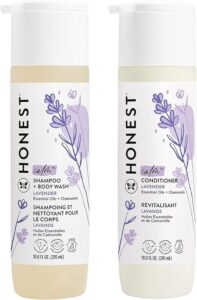
The Honest Company Lavender Baby Shampoo & Body Wash Duo
$22.99
- Tear-Free Formula: The gentle formula ensures that bath time is a joyful experience without the worry of stinging eyes.
- Moisturizing Properties: Infused with aloe and chamomile extract, it helps to nourish and hydrate delicate skin.
- Family-Friendly: Safe for infants and suitable for all ages, making it a versatile choice for the entire household.
- Subtle Lavender Scent: Promotes relaxation and a calming atmosphere during bath time, perfect for winding down before bed.
- Silicone-Free Conditioner: Ensures that hair remains soft and manageable without harsh chemicals.
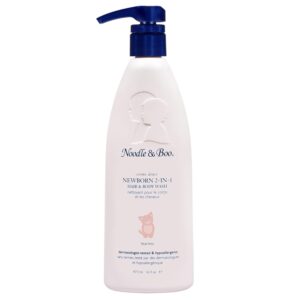
Noodle & Boo Newborn 2-in-1 Baby Shampoo & Body Wash
$20.00
- Gentle Cleanse: This shampoo and body wash duo is designed specifically for sensitive skin, ensuring a soothing wash without irritation.
- Tear-Free Formula: Say goodbye to bath time tears! This pediatrician-tested product provides a worry-free experience for both parents and babies.
- Moisturizing Benefits: Enriched with vitamins, it helps to maintain skin moisture, keeping your baby's skin soft and smooth.
- Pleasant Fragrance: Parents adore the light, delightful scent that leaves babies smelling fresh and clean, without overwhelming their sensitive senses.
- Convenient 2-in-1 Use: Simplify bath time with a product that effectively serves as both a shampoo and body wash, saving you time and space in your bathroom.
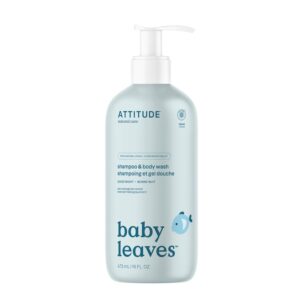
ATTITUDE Baby 2-in-1 Shampoo and Body Wash - Good Night
$12.99
- 2-in-1 Formula: Simplifies bath time by combining shampoo and body wash into one easy-to-use product.
- Calming Scent: Infused with a relaxing fragrance to promote a peaceful transition to sleep.
- Gentle on Skin: Dermatologically tested, ensuring it’s safe for the most sensitive skin.
- Non-Toxic Ingredients: EWG verified, giving parents peace of mind about what touches their child's skin.
- Vegan and Eco-Friendly: Made from plant-based ingredients that are safe for your baby and the planet.
As an Amazon Associate we earn from qualifying purchases. We only recommend products we'd use ourselves — we're never paid for placement.
Frequently Asked Questions
How long does cradle cap last?
Cradle cap usually clears within weeks to a few months and most babies outgrow it by their first birthday. Gentle oiling, soft brushing, and regular washing speed it up, but even untreated it typically resolves on its own.
Should I pick at cradle cap?
No — picking or scraping can break the skin and lead to infection. Instead, soften the scales with oil, lift them gently with a soft brush, and wash them away. Let stubborn flakes come off on their own over a few sessions.
Is coconut oil good for cradle cap?
Yes — a small amount of coconut oil (or fragrance-free baby oil) massaged in and left for about 15 minutes helps soften and loosen the scales before gentle brushing and washing. Always rinse the oil out well afterward.
This guide is for general educational purposes and is not medical advice. Always consult your pediatrician about your baby’s health and symptoms.
Angela's Recommended Resources
Guides and courses I personally recommend:
Most Popular
Baby Sleep Miracle
Proven gentle method to help your baby sleep through the night naturally. No cry-it-out, science-backed.
* Affiliate links. We may earn a commission at no extra cost to you.