- Angela’s Picks
- Shop by Age
- Shop by Category
- Shop by Values
- Montessori Toys
- Sensory Toys
- Teething Toys
- Wooden Toys
- Educational Toys
- Stacking & Sorting Toys
- Baby Bottles
- Sippy Cups
- Plates & Bowls
- Bibs
- Baby Utensils
- Deals
- High Chairs
- Breastfeeding & Nursing
- Snack Containers
- Crib Mattresses
- Bassinets
- Sleep Sacks & Swaddles
- Baby Blankets
- Baby Monitors
- Cribs & Nursery Furniture
- Baby Shampoo & Wash
- Baby Lotion & Oil
- Baby Sunscreen
- Bath Tubs & Seats
- Towels & Washcloths
- Diaper Cream & Balm
- Eco-Friendly Diapers
- Baby Wipes
- Potty Training
- Changing Pads
- Cloth Diapers
- Baby Thermometers
- Baby Proofing
- Baby Gates
- Humidifiers
- First Aid & Grooming
- Onesies & Bodysuits
- Sleepers & Pajamas
- Hats & Mittens
- Nursing Pads
- Breast Pumps & Accessories
- Postpartum Care
Hand, Foot, and Mouth Disease in Babies: A Parent’s Guide

Quick Answer
Hand, foot, and mouth disease in babies – symptoms, how long it lasts, how to keep your little one comfortable, how it spreads, and when to call the doctor.
Hand, foot, and mouth disease (HFMD) is a very common, usually mild childhood virus — especially in daycare. The name sounds scary, but most babies recover at home in about a week. Here’s what to watch for and how to keep your little one comfortable.
Symptoms to Watch For
- A fever and sore throat first, often with reduced appetite and fussiness.
- Small, painful mouth sores (on the tongue, gums, inside the cheeks) a day or two later.
- A rash or small blisters on the palms, soles of the feet, and sometimes the buttocks — usually not itchy.
It’s caused by a virus (commonly coxsackievirus), so antibiotics don’t help — care is about comfort while it runs its course.
How to Keep Baby Comfortable
- Prioritize fluids. Mouth sores make swallowing hurt, so dehydration is the main risk. Offer breast milk, formula, or water frequently; cold foods/liquids soothe.
- Cold, soft foods for older babies — chilled yogurt, smoothies. Avoid acidic or salty foods that sting.
- Manage fever and pain with weight-appropriate infant acetaminophen (or ibuprofen if over 6 months) per your pediatrician.
- Extra rest and cuddles — comfort helps recovery.
How It Spreads & Prevention
HFMD spreads through saliva, nasal mucus, blister fluid, and stool. It’s most contagious in the first week. Frequent handwashing, disinfecting toys and surfaces, and not sharing cups or utensils are your best defenses. Babies are usually fine to return to daycare once the fever is gone and they feel well, even if some spots remain — follow your provider’s and daycare’s guidance.
When to Call the Doctor
- Any fever in a baby under 3 months, or a high or persistent fever.
- Signs of dehydration: far fewer wet diapers, no tears, dry mouth, lethargy.
- Your baby won’t drink anything due to mouth pain.
- Symptoms worsen after a few days instead of improving.
Comfort & Care Essentials
| Product | Best For | Price | |
|---|---|---|---|
| No-Touch Digital Thermometer for Adults and Kids | Best Overall | $15.99 | View |
| Digital Thermometer for Adults and Kids with Fever | Best Value | $15.99 | View |
| B&H Baby Thermometer - Infant Bath Floating Toy | Editor's Pick | $14.99 | View |
| NUK Smooth Flow Anti Colic Baby Bottle, Elephant, | Great Choice | $15.99 | View |
| NUK Smooth Flow Anti Colic Baby Bottle, 10 | Great Choice | $15.99 | View |
| NUK Smooth Flow Anti Colic Baby Bottle, 5 | Great Choice | $5.99 | View |
BEST OVERALL 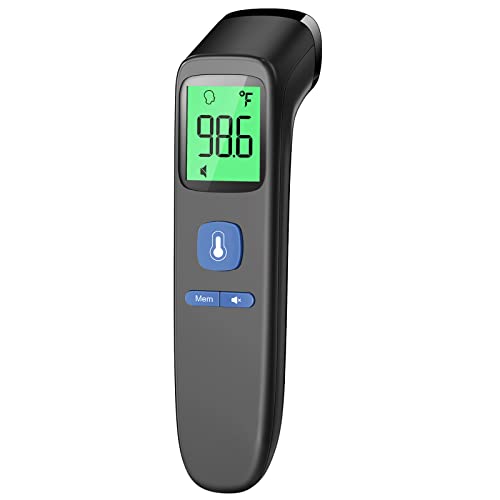
No-Touch Digital Thermometer for Adults and Kids
$15.99
- Instant Readings: Get accurate temperature readings in seconds, perfect for busy parents on the go.
- Multi-Mode Functionality: Easily switch between forehead, room, and object temperature modes, making it versatile for various needs.
- Easy to Use: Simply point and press a button for a hassle-free experience, even with squirmy babies.
- Safe for All Ages: Designed to be suitable for everyone from infants to the elderly, ensuring the whole family is covered.
- Clear Display: The easy-to-read screen shows results in both Celsius and Fahrenheit, catering to your preferences.
BEST VALUE 
Digital Thermometer for Adults and Kids with Fever Alarm
$15.99
- Fast Results: Get accurate temperature readings in seconds, allowing for quick decisions about your child's health.
- User-Friendly Design: The intuitive interface makes it easy for anyone to operate, which is especially helpful during stressful times.
- Non-Contact Accuracy: Measure temperatures without physical contact, reducing the risk of spreading germs.
- Fever Alarm: Stay alert with the built-in fever alarm that notifies you when temperatures exceed normal ranges.
- Versatile Use: Suitable for adults and kids alike, making it a versatile addition to your family's health toolkit.
EDITOR'S PICK 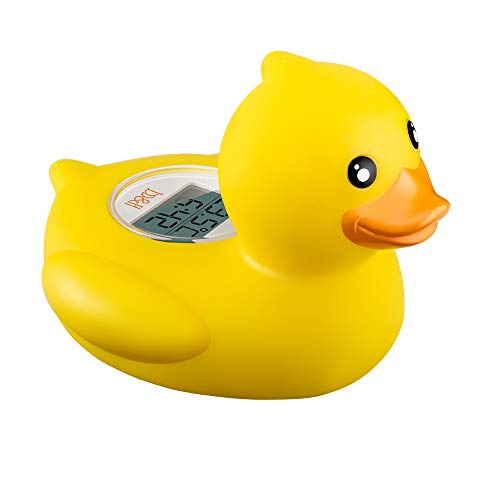
B&H Baby Thermometer - Infant Bath Floating Toy Temperature
$14.99
- Accurate Temperature Readings: The thermometer updates every 3 seconds, providing you with precise measurements of bath water and room temperature.
- High/Low Temperature Alerts: Built-in alarms flash and beep to alert you when the water is too hot or too cold, ensuring you always have peace of mind.
- Dual Display: Easily switch between Fahrenheit and Celsius, making it versatile for different preferences.
- Fun Bath Companion: Its floating design and playful look make bath time enjoyable for your little one.
- Battery Included: Comes with 2 LR44 batteries, so it’s ready to use right out of the box.

NUK Smooth Flow Anti Colic Baby Bottle, Elephant, 5 Ounce (3 Pack)
$15.99
- Flow Control: The unique nipple design lets your baby dictate the speed of milk flow, which can help reduce colic and gas.
- Comforting Transition: The nipple shape closely mimics a nursing mother’s breast, making it easier for breastfeeding babies to switch between breast and bottle.
- Safety First: The SafeTemp indication feature changes color when the milk is too hot, providing peace of mind during those sleepy feeding times.
- Ease of Cleaning: The wide neck design makes for an easy cleanup, and it’s dishwasher safe on the top rack, making it a breeze for busy parents.
- Proven Acceptance: With 98% of babies accepting this bottle based on user testing, you can feel confident that it’s a favorite among little ones!

NUK Smooth Flow Anti Colic Baby Bottle, 10 oz, 3 Pack, Elephant
$15.99
- Innovative nipple design lets babies feed at their own pace, reducing fussiness.
- SafeTemp indication provides peace of mind, changing color when milk is too hot.
- Highly accepted by 98% of young children, ensuring a smoother transition from breast to bottle.
- Wide neck design simplifies cleaning and ensures thorough sanitation.
- Dishwasher safe for easy, convenient cleaning after each use.

NUK Smooth Flow Anti Colic Baby Bottle, 5 oz, Elephant
$5.99
- Anti-Colic Design: The smooth drift nipple allows babies to manage milk flow, promoting a more natural feeding experience and reducing the risk of colic.
- Temperature Indicator: The SafeTemp indication feature changes color to alert you when the milk is too hot, providing an extra layer of safety.
- Breastfeeding Friendly: The bottle nipple mimics the shape of a mother's nursing nipple, making it easier for babies to transition between breastfeeding and bottle-feeding.
- Easy to Clean: With its wide neck design, cleaning is a breeze, and it’s also dishwasher safe for added convenience.
- Parent Approved: In 2019, market research showed that 98% of children accepted this bottle, proving its effectiveness and popularity among families.
As an Amazon Associate we earn from qualifying purchases. We only recommend products we'd use ourselves — we're never paid for placement.
Frequently Asked Questions
How long does hand, foot, and mouth last in babies?
Most cases last about 7–10 days. Fever and the worst of the mouth sores usually pass within a few days, while the hand and foot spots fade over the following week. Care focuses on comfort and keeping your baby hydrated.
How do I keep my baby hydrated with mouth sores?
Offer small amounts of fluid often — breast milk, formula, or water — and use cold liquids and soft cold foods, which soothe sore mouths. Treating pain with pediatrician-approved infant acetaminophen before feeds can make drinking easier. Watch wet diapers closely.
Is hand, foot, and mouth disease serious?
It’s usually mild and resolves on its own, with dehydration from painful mouth sores being the main thing to watch. It can be more concerning in very young infants, so always call your pediatrician for babies under 3 months or if your baby won’t drink or shows signs of dehydration.
This guide is for general educational purposes and is not medical advice. Always consult your pediatrician about your baby’s health and symptoms.
Angela's Recommended Resources
Guides and courses I personally recommend:
Children Learning Reading
Phonics-based reading program for young children. Simple 15-minute daily lessons that work.
* Affiliate links. We may earn a commission at no extra cost to you.