- Angela’s Picks
- Shop by Age
- Shop by Category
- Shop by Values
- Montessori Toys
- Sensory Toys
- Teething Toys
- Wooden Toys
- Educational Toys
- Stacking & Sorting Toys
- Baby Bottles
- Sippy Cups
- Plates & Bowls
- Bibs
- Baby Utensils
- Deals
- High Chairs
- Breastfeeding & Nursing
- Snack Containers
- Crib Mattresses
- Bassinets
- Sleep Sacks & Swaddles
- Baby Blankets
- Baby Monitors
- Cribs & Nursery Furniture
- Baby Shampoo & Wash
- Baby Lotion & Oil
- Baby Sunscreen
- Bath Tubs & Seats
- Towels & Washcloths
- Diaper Cream & Balm
- Eco-Friendly Diapers
- Baby Wipes
- Potty Training
- Changing Pads
- Cloth Diapers
- Baby Thermometers
- Baby Proofing
- Baby Gates
- Humidifiers
- First Aid & Grooming
- Onesies & Bodysuits
- Sleepers & Pajamas
- Hats & Mittens
- Nursing Pads
- Breast Pumps & Accessories
- Postpartum Care
Is Shea Butter Safe for Babies? A Non-Toxic Guide

Quick Answer
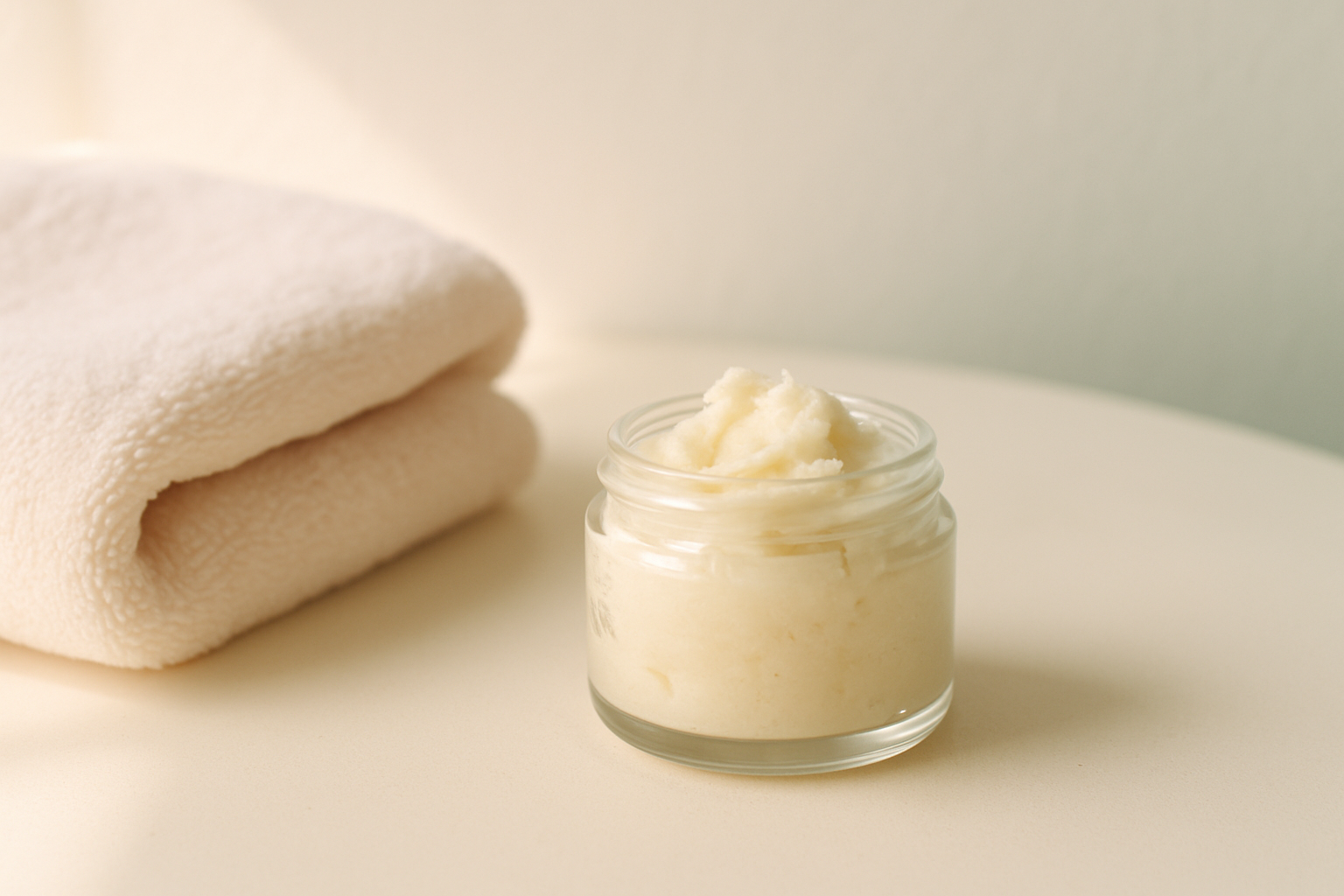
Is shea butter safe for babies? Yes — raw, unrefined, fragrance-free shea is a plant-based, vegan moisturizer for dry skin, eczema & diaper areas.
If you’re wondering whether shea butter is safe for babies, here’s the short, honest answer: yes, unrefined shea butter is one of the gentlest, most baby-friendly moisturizers you can reach for. It’s a rich, plant-based butter pressed from the nut of the West African shea tree, which makes it naturally vegan — no beeswax, no lanolin, no animal anything. On dry patches, flaky little cheeks, eczema-prone spots, and even as a soft diaper-area balm, raw shea tends to be very well tolerated by delicate newborn skin.
That said, “generally safe” is not the same as “anything goes.” The details matter: reach for unrefined (raw) shea over the heavily processed kind, keep it fragrance-free, do a quick patch test the first time, and skip it on broken or infected skin. Get those small things right and shea butter becomes one of the easiest wins in your whole non-toxic nursery. Let’s walk through the why and the how together.
Why Shea Butter Works So Well on Baby Skin
Baby skin is thinner than adult skin and loses moisture faster, which is exactly why it chaps, flakes, and gets those rough little patches so easily. Shea butter helps on two fronts at once. It’s an emollient, meaning it softens and smooths, and it’s mildly occlusive, meaning it lays down a light, breathable layer that slows water from escaping the skin. In plain-mom terms: it fills in the rough spots and helps skin hold onto the moisture it already has.
The reason it feels so cushiony comes down to its fatty acids — primarily oleic and stearic acids — along with naturally occurring plant compounds. Those fats are close to what our own skin produces, so shea tends to sink in and calm things rather than sit on top feeling greasy. And because it’s a whole plant butter rather than a mystery blend, there’s a short, readable ingredient story behind it. That’s the kind of simplicity I love to see on a label meant for a baby.
Raw and Unrefined vs. Refined: What to Look For
Not all shea is created equal, and this is where a lot of parents get tripped up. Unrefined (raw) shea butter is minimally processed, so it keeps more of its natural vitamins and skin-loving compounds. It usually has a soft ivory-to-pale-yellow color and a faint, nutty, earthy scent that fades as it absorbs. That subtle smell is normal — it’s the butter itself, not added fragrance.
Pregnancy Miracle Guide
Natural pregnancy wellness & fertility guide
Get It →Refined shea is processed further, often with heat or filtering, which strips the scent and gives you a bright-white, more uniform butter. It’s not dangerous, but the refining can reduce some of the very compounds that make raw shea special, and some refined versions bring in additives you don’t need on a baby. When you can, choose unrefined. A few things to scan for on the jar:
- The words “unrefined,” “raw,” or “cold-pressed”
- A single-ingredient label — ideally just shea butter (sometimes listed as Butyrospermum parkii)
- No added “fragrance” or “parfum”
- Fair-trade or transparent sourcing, since shea is a livelihood for many West African communities
Quality genuinely varies from brand to brand, so the label is your friend here. If you want the deeper story on why we’re so picky about what touches baby skin, our guide on choosing organic baby skincare lays out the same screening mindset we use across the whole shop.
How to Use Shea Butter on Your Baby
Shea is wonderfully versatile, which is part of why it earns a spot in so many nursery routines. A little goes a long way — warm a small amount between your fingertips until it melts, then smooth it on. Here are the everyday uses parents ask me about most:
- Dry cheeks and body: Perfect after bath time to lock in moisture while skin is still slightly damp.
- Eczema-prone patches: Its emollient, barrier-supporting nature makes it a comforting choice for rough, dry, flare-prone spots (more on that below).
- Cradle cap: A thin layer massaged onto the scalp can help soften those flaky little scales before a gentle comb and wash.
- Diaper area: As a plant-based balm, shea can help buffer against moisture and friction — a lovely vegan alternative to old-school balms.
- Chapped lips and knuckles: Yes, the same jar handles the tiny weather-worn bits, too.
One golden rule: keep it fragrance-free. Added scent is one of the most common culprits behind baby-skin irritation, and it brings nothing your little one actually needs. If you want the full breakdown on why we steer clear, our post on fragrance in baby products is worth a read.
The Honest Caveats (Because You Deserve the Full Picture)
Reassuring doesn’t mean glossing over the fine print. Here’s what’s worth knowing so you can use shea with real confidence.
The tree-nut question. Shea comes from a nut, so parents of allergy-prone families understandably pause. The encouraging part: shea butter is low in the proteins that typically drive tree-nut allergic reactions, and a cross-reaction is widely considered rare. Still, “rare” isn’t “never.” If your family has a history of nut allergies, mention it to your pediatrician before you start, and always patch-test first.
It’s only mildly comedogenic. Shea is generally considered low on the pore-clogging scale, but every baby’s skin is its own little universe. If you notice tiny bumps where you’ve applied it, ease off and let skin settle.
Skip it on broken or infected skin. An occlusive butter over an open, weepy, or infected area can trap what you’d rather let breathe. Wait until skin is intact, and loop in your pediatrician for anything that looks infected.
How to patch-test. Dab a pea-sized amount on the inside of your baby’s forearm, leave it for 24 hours, and watch for redness, bumps, or fuss. All clear? You’re good to use it more broadly.
Below are the plant-based, shea-rich baby balms and lotions that passed our screen.
Plant-Based, Shea-Rich Baby Lotions
| Product | Best For | Price | |
|---|---|---|---|
| Coppertone WaterBabies Baby Sunscreen Lotion SPF 50, 8 | Best Overall | $8.88 | View |
| Noodle & Boo Super Soft Moisturizing Lotion | Best Value | $20.00 | View |
| Palmer's Cocoa Butter Formula Massage Lotion for Stretch | Editor's Pick | $9.29 | View |
| NIVEA Soothing Baby Lotion | Great Choice | $6.41 | View |
| Babo Botanicals Sensitive Baby Mineral Sunscreen Lotion SPF | Great Choice | $19.00 | View |
| Eucerin Baby Body Lotion, Hypoallergenic, 13.5 Fl Oz | Great Choice | $11.79 | View |
BEST OVERALL 
Coppertone WaterBabies Baby Sunscreen Lotion SPF 50, 8 Fl Oz
$8.88
- Broad Spectrum Protection: Shields your baby's delicate skin from up to 98% of UVA and UVB rays, keeping them safe during outdoor adventures.
- Water Resistant: Lasts through water play, remaining effective for up to 80 minutes, so your little swimmer can splash around freely.
- Hypoallergenic Formula: Designed with your baby's sensitive skin in mind, this sunscreen is hypoallergenic, minimizing the risk of irritation.
- Pediatrician Recommended: Trust in a product that comes from the #1 pediatrician-recommended sunscreen brand, ensuring a reliable choice for sun protection.
- Easy Application: The smooth lotion formula glides on easily, making it a breeze to apply and reapply when needed.
BEST VALUE 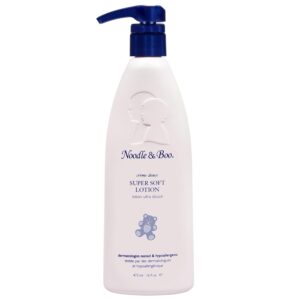
Noodle & Boo Super Soft Moisturizing Lotion
$20.00
- Delivers rich hydration, ensuring your baby's skin remains supple and moisturized throughout the day.
- Crafted from non-toxic, organic ingredients for safe, worry-free application.
- Features a light, soothing scent that adds a calming ritual to your baby's skincare routine.
- Perfect for daily use, making it a staple in your baby care arsenal.
- Absorbs quickly without leaving a greasy residue, ideal for busy parents.
EDITOR'S PICK 
Palmer's Cocoa Butter Formula Massage Lotion for Stretch Marks, 8.5 oz
$9.29
- Deeply moisturizing formula for long-lasting hydration, keeping your skin supple for up to 48 hours.
- Combines the goodness of Cocoa Butter, Shea Butter, and Argan Oil to enhance skin elasticity during and after pregnancy.
- Hypoallergenic and non-greasy, making it perfect for daily use without leaving a heavy residue.
- Infused with Collagen and Elastin, which work together to promote smoother, more resilient skin.
- Trusted brand with over 180 years of experience crafting effective beauty products using high-quality ingredients.

NIVEA Soothing Baby Lotion
$6.41
- Non-greasy formula: Absorbs quickly without leaving a sticky residue, making it easy to apply during diaper changes or after bath time.
- Hydrating ingredients: Formulated to provide long-lasting moisture, helping to combat dryness and maintain skin's natural softness.
- Dermatologically tested: Safe for sensitive skin, giving parents peace of mind when applying to their baby.
- Soothing properties: Infused with skin-loving ingredients that help calm irritation and redness, perfect for post-bath pampering.
- Gentle scent: Offers a light, fresh fragrance that is not overpowering, keeping your baby smelling delightful.

Babo Botanicals Sensitive Baby Mineral Sunscreen Lotion SPF 50
$19.00
- Water-Resistant Protection: Provides up to 80 minutes of coverage against water and sweat, perfect for beach days or splashes in the pool.
- Fragrance-Free Formula: Ideal for babies with sensitive skin, minimizing the risk of irritation caused by added scents.
- Mineral-Based Safety: Contains zinc to naturally shield against UVA and UVB rays, without the use of oxybenzone or octinoxate.
- Dermatologist Tested: Clinically evaluated to reduce the risk of allergic reactions, making it a safe choice for the most sensitive skin.
- B Corp Certified: Manufactured in the USA with a commitment to environmental sustainability and social responsibility.

Eucerin Baby Body Lotion, Hypoallergenic, 13.5 Fl Oz
$11.79
- Daily Moisturization: The lotion is perfect for everyday use, helping to maintain your baby’s skin hydration and softness.
- Gentle Formulation: Enriched with Pro-Vitamin B5 and natural Shea Butter, it provides nurturing care without the worry of irritants.
- Hypoallergenic: Designed specifically for sensitive skin, this lotion minimizes the risk of allergic reactions.
- Convenient Pump Design: The easy-to-use pump bottle allows for quick dispensing, making application a breeze during busy diaper changes.
- Trusted Brand: Eucerin is recommended by dermatologists and pediatricians, ensuring you choose a brand that prioritizes your baby’s skin health.
As an Amazon Associate we earn from qualifying purchases. We only recommend products we'd use ourselves — we're never paid for placement.
Frequently Asked Questions
Can I use shea butter on a newborn?
Many parents do, using a small amount of unrefined, fragrance-free shea on dry spots. Newborn skin is especially delicate, so patch-test first and check with your pediatrician if your baby is premature, has a skin condition, or a family history of allergies.
Is shea butter vegan?
Yes. Pure shea butter is 100% plant-based, pressed from the nut of the shea tree, with no animal-derived ingredients. That’s exactly why it’s a favorite in our vegan-first shop — just double-check the label for sneaky add-ins like beeswax in blended products.
Does shea butter help with baby eczema?
Its emollient, barrier-supporting qualities make shea a comforting option for dry, eczema-prone skin, and many families keep it on hand. It’s a moisturizer, not a medication, though — if your baby’s eczema is severe, weepy, or spreading, your pediatrician should guide the plan.
Raw or refined shea butter for babies?
Raw (unrefined) is our pick. It keeps more of shea’s natural goodness and skips the extra processing and potential additives. Look for a short, single-ingredient label and no added fragrance.
This article is for general information and isn’t a substitute for medical advice — always check with your pediatrician about your baby’s individual skin needs.
Here’s the bottom line, friend: shea butter is a simple, plant-based, naturally vegan little powerhouse, and used thoughtfully it’s a beautiful addition to your non-toxic routine. Choose unrefined and fragrance-free, patch-test once, and let it do its quiet, softening work. When you’re ready to stock the shelf, browse our full bath and skincare collection or start with our hand-vetted picks for the best non-toxic baby lotion. Your baby’s skin — and your peace of mind — are worth the extra label-reading.
Angela's Recommended Resources
Guides and courses I personally recommend:
Expert Pick
Pregnancy Miracle Guide
Holistic fertility and pregnancy wellness guide. Natural approach to a healthy pregnancy.
Children Learning Reading
Phonics-based reading program for young children. Simple 15-minute daily lessons that work.
* Affiliate links. We may earn a commission at no extra cost to you.