- Angela’s Picks
- Shop by Age
- Shop by Category
- Shop by Values
- Montessori Toys
- Sensory Toys
- Teething Toys
- Wooden Toys
- Educational Toys
- Stacking & Sorting Toys
- Baby Bottles
- Sippy Cups
- Plates & Bowls
- Bibs
- Deals
- Baby Utensils
- High Chairs
- Breastfeeding & Nursing
- Snack Containers
- Crib Mattresses
- Bassinets
- Sleep Sacks & Swaddles
- Baby Blankets
- Baby Monitors
- Cribs & Nursery Furniture
- Baby Shampoo & Wash
- Baby Lotion & Oil
- Baby Sunscreen
- Bath Tubs & Seats
- Towels & Washcloths
- Diaper Cream & Balm
- Eco-Friendly Diapers
- Baby Wipes
- Potty Training
- Changing Pads
- Cloth Diapers
- Baby Thermometers
- Baby Proofing
- Baby Gates
- Humidifiers
- First Aid & Grooming
- Onesies & Bodysuits
- Sleepers & Pajamas
- Hats & Mittens
- Nursing Pads
- Breast Pumps & Accessories
- Postpartum Care
Newborn Care Basics: Your First Weeks at Home

Quick Answer
A complete newborn care guide for first weeks at home – feeding, diapering, umbilical cord and bathing, sleep safety, soothing, and when to call the pediatrician.
Bringing home a newborn is equal parts magic and “wait, what do we do now?” This friendly crash course covers the essentials of those first few weeks — feeding, diapering, cord and bath care, safe sleep, and soothing — so you can feel a little more confident and a lot less Googling-at-2-a.m.
Feeding Your Newborn
Newborns eat every 2–3 hours — about 8–12 times in 24 hours — whether breast or bottle. Feed on demand and watch for early hunger cues (rooting, hands to mouth, smacking) rather than waiting for crying. Signs feeding is going well: 6+ wet diapers a day after the first week, steady weight gain, and a content baby after feeds. Choose non-toxic glass or silicone bottles if you’re bottle-feeding.
Diapering 101
Expect to change 8–12 diapers a day at first. Newborn stool changes from dark, tarry meconium to yellow and seedy (breastfed) or tan and pastier (formula). To prevent diaper rash: change frequently, wipe front to back, let the skin air-dry, and apply a non-toxic diaper cream as a barrier. If you’re going reusable, see our cloth vs. eco-disposable comparison.
Umbilical Cord & First Baths
- Cord care: keep the stump clean and dry; fold the diaper down below it. It falls off on its own in 1–3 weeks. A little dried blood is normal; call the doctor for redness, pus, or odor.
- Sponge baths only until the cord falls off and heals. After that, 2–3 baths a week is plenty — newborns don’t get dirty, and over-bathing dries delicate skin.
- Use a fragrance-free, non-toxic baby wash, keep the room warm, never leave baby unattended in water, and test the temperature (about 100°F / 38°C) on your wrist.
Safe Sleep from Day One
Always place baby on their back, on a firm flat surface (bassinet or crib), alone — no pillows, bumpers, or blankets. Room-share for the first 6–12 months. A swaddle or sleep sack keeps them cozy without loose bedding. See our full baby sleep guide for what to expect.
Soothing & Bonding
Skin-to-skin, gentle rocking, white noise, swaddling, and babywearing are your best friends. Talk, sing, and make eye contact — this everyday connection is exactly how your newborn’s brain and your bond grow. For a full toolkit, see how to soothe a crying baby.
When to Call the Pediatrician
- Any fever of 100.4°F (38°C) or higher in a baby under 3 months — call right away.
- Poor feeding, far fewer wet diapers, or hard-to-wake lethargy.
- Yellowing skin or eyes that’s worsening (jaundice).
- Trouble breathing, persistent vomiting, or a cord that looks infected.
- Anything that worries your parental gut — trust it and call.
Newborn Essentials We Love
| Product | Best For | Price | |
|---|---|---|---|
| Ezebaby Portable Bedside Bassinet for Newborns with Wheels | Best Overall | $99.99 | View |
| BQUBO Infant No Scratch Mittens for Newborns | Best Value | $9.99 | View |
| Galabloomer Newborn Flower Print Receiving Blanket Set | Editor's Pick | $9.99 | View |
| MAM Newborn Essentials | Great Choice | $36.99 | View |
| Babo Botanicals Sensitive Baby Mineral Sunscreen Lotion SPF | Great Choice | $19.00 | View |
| Baby Teething Toy - Silicone TV Remote Teether | Great Choice | $5.50 | View |
BEST OVERALL 
Ezebaby Portable Bedside Bassinet for Newborns with Wheels
$99.99
- Mobility Made Easy: The built-in wheels allow you to effortlessly move the bassinet from room to room, helping you keep your baby nearby without disrupting their sleep.
- Adjustable Heights: With seven height options, you can customize the bassinet to fit perfectly next to your bed or any other space, promoting safe and convenient co-sleeping.
- All-Mesh Design: The breathable mesh sides provide excellent ventilation, ensuring your baby stays comfortable while allowing you to keep an eye on them at all times.
- Easy Assembly: Set up is a breeze with no complicated instructions, letting you focus on what matters most—bonding with your new baby.
- Versatile Use: Its stylish design makes it not only functional but also a lovely addition to your nursery or home decor.
BEST VALUE 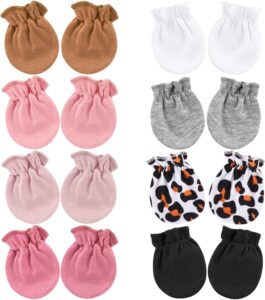
BQUBO Infant No Scratch Mittens for Newborns
$9.99
- Prevents Facial Scratches: The snug design keeps tiny hands covered, reducing the risk of accidental scratches on sensitive skin.
- Soft and Comfortable: Crafted from breathable cotton, these mittens are gentle against the skin, ensuring all-day comfort for your baby.
- Hypoallergenic Materials: Ideal for infants with sensitive skin, these mittens are made from materials that are less likely to cause irritation.
- Easy to Wear: The elastic wrist ensures a snug fit, meaning they stay securely on, even during active play.
- Stylish Options: Available in various colors, these mittens can complement any outfit, making them a fashionable choice for your little one.
EDITOR'S PICK 
Galabloomer Newborn Flower Print Receiving Blanket Set
$9.99
- Luxuriously soft and stretchy knit fabric provides comfort and warmth for your newborn.
- Beautiful flower print design makes it an ideal prop for adorable photo shoots.
- Lightweight material is perfect for keeping your baby comfortable during warmer summer months.
- Rounded edges enhance safety by reducing the risk of fabric fraying.
- No fasteners mean easy swaddling and a secure wrap without the fuss.

MAM Newborn Essentials
$36.99
- Anti-Colic Design: The innovative venting system helps to prevent colic symptoms in 80% of babies, reducing bubbles that can lead to gas and reflux.
- Breastfeeding-Friendly: The SkinSoft nipple closely mimics breastfeeding, promoting an easy transition for babies who are both breastfed and bottle-fed.
- High Acceptance Rate: With a 94% acceptance rate among babies, parents can feel confident that their little ones will embrace these bottles and pacifiers.
- Self-Sterilizing Convenience: The bottles are designed for easy cleaning and can be self-sterilized in the microwave in just three minutes.
- Perfect Gift Set: This set is an ideal choice for baby registries, providing essential items that will be appreciated by new parents.

Babo Botanicals Sensitive Baby Mineral Sunscreen Lotion SPF 50
$19.00
- Water-Resistant Protection: Provides up to 80 minutes of coverage against water and sweat, perfect for beach days or splashes in the pool.
- Fragrance-Free Formula: Ideal for babies with sensitive skin, minimizing the risk of irritation caused by added scents.
- Mineral-Based Safety: Contains zinc to naturally shield against UVA and UVB rays, without the use of oxybenzone or octinoxate.
- Dermatologist Tested: Clinically evaluated to reduce the risk of allergic reactions, making it a safe choice for the most sensitive skin.
- B Corp Certified: Manufactured in the USA with a commitment to environmental sustainability and social responsibility.

Baby Teething Toy - Silicone TV Remote Teether for Babies
$5.50
- Designed with various textures to soothe teething gums and stimulate tactile development.
- Lightweight and easy for tiny hands to grip, promoting hand-eye coordination.
- Vibrant colors capture your baby's attention, making teething a more enjoyable experience.
- Thoughtfully sized at 1.7"×5.5", it's the perfect fit for little mouths.
- Versatile as an ice cube mold, allowing for extra fun and functionality.
As an Amazon Associate we earn from qualifying purchases. We only recommend products we'd use ourselves — we're never paid for placement.
Frequently Asked Questions
How often should a newborn eat?
Newborns typically feed every 2–3 hours, about 8–12 times a day, on demand. Don’t let a newborn go longer than about 4 hours without feeding in the early weeks, and wake them to feed if needed until they’re back to birth weight and your doctor okays longer stretches.
How often should I bathe my newborn?
Just 2–3 times a week is plenty. Until the umbilical cord falls off and heals, stick to sponge baths. Over-bathing can dry out a newborn’s sensitive skin, so spot-clean the face, neck folds, and diaper area in between.
How do I know if my newborn is getting enough milk?
Watch the diapers and the scale: 6 or more wet diapers a day after the first week, regular stools, steady weight gain, and a baby who seems satisfied after feeds are the best signs. Your pediatrician will track weight at each visit, so share any concerns there.
This guide is for general educational purposes and is not medical advice. Every baby and every recovery is different. Always consult your pediatrician or healthcare provider with questions about your child’s or your own health.
Angela's Recommended Resources
Guides and courses I personally recommend:
Most Popular
Baby Sleep Miracle
Proven gentle method to help your baby sleep through the night naturally. No cry-it-out, science-backed.
* Affiliate links. We may earn a commission at no extra cost to you.