- Angela’s Picks
- Shop by Age
- Shop by Category
- Shop by Values
- Montessori Toys
- Sensory Toys
- Teething Toys
- Wooden Toys
- Educational Toys
- Stacking & Sorting Toys
- Baby Bottles
- Sippy Cups
- Plates & Bowls
- Bibs
- Baby Utensils
- Deals
- High Chairs
- Breastfeeding & Nursing
- Snack Containers
- Crib Mattresses
- Bassinets
- Sleep Sacks & Swaddles
- Baby Blankets
- Baby Monitors
- Cribs & Nursery Furniture
- Baby Shampoo & Wash
- Baby Lotion & Oil
- Baby Sunscreen
- Bath Tubs & Seats
- Towels & Washcloths
- Diaper Cream & Balm
- Eco-Friendly Diapers
- Baby Wipes
- Potty Training
- Changing Pads
- Cloth Diapers
- Baby Thermometers
- Baby Proofing
- Baby Gates
- Humidifiers
- First Aid & Grooming
- Onesies & Bodysuits
- Sleepers & Pajamas
- Hats & Mittens
- Nursing Pads
- Breast Pumps & Accessories
- Postpartum Care
Postpartum Recovery: A New Mom’s Survival Guide

Quick Answer
What to really expect during postpartum recovery – healing week by week, the fourth trimester, self-care essentials, mental health, and the warning signs to never ignore.
Everyone prepares for the birth — far fewer people prepare you for what comes after. The postpartum period (often called the fourth trimester) is a season of enormous physical and emotional change. This guide walks you through what’s normal, how to care for yourself, and the warning signs that deserve a call to your provider. You matter too, mama.
Physical Recovery, Week by Week
- Week 1: Bleeding (lochia) like a heavy period, cramping as the uterus shrinks, soreness (vaginal or C-section incision), and night sweats are all normal. Rest is the priority.
- Weeks 2–3: Bleeding lightens; energy slowly returns. Perineal or incision discomfort eases. Emotions can swing widely.
- Weeks 4–6: Most bleeding stops; the uterus returns to size. Your provider typically clears you for exercise and intimacy around the 6-week check — but only when you feel ready.
- Months 2–6+: Full healing of muscles, hormones, and (if nursing) supply takes months. Hair shedding around 3–4 months is common and temporary. Be patient with your body — it grew a human.
Postpartum Care Essentials
- Peri care: a peri bottle, witch-hazel pads, and high-waisted disposable underwear are lifesavers in the early weeks.
- Comfort: a supportive nursing bra and comfy basics; a donut cushion if sitting is sore.
- Nursing support: nipple balm, breast pads, and a good water bottle — nursing is thirsty work.
- Nutrition: keep easy, nourishing snacks and meals within reach. Accept every offer of food.
- Rest: “sleep when the baby sleeps” is a cliché because it’s true. Let chores wait.
The Fourth Trimester Mindset
The first 12 weeks are about recovery and bonding, not bouncing back. Lower the bar: a fed baby and a resting mom is a successful day. Accept help, say yes to the meal train, and protect your recovery fiercely. There are no medals for doing it all alone.
Postpartum Mental Health
The “baby blues” — weepiness, mood swings, overwhelm in the first two weeks — affect most new moms and usually lift on their own. But if low mood, anxiety, hopelessness, intrusive thoughts, or trouble bonding persist beyond two weeks or feel severe, that may be postpartum depression or anxiety — common, treatable conditions, not a failure. Please reach out to your provider. In the U.S., you can call or text the National Maternal Mental Health Hotline at 1-833-852-6262, available 24/7.
Warning Signs — Call Your Provider Now
- Heavy bleeding soaking a pad an hour, or passing large clots.
- Fever over 100.4°F, foul-smelling discharge, or a red, hot, painful incision.
- Severe headache, vision changes, or swelling (possible postpartum preeclampsia).
- Chest pain, trouble breathing, or a hot, swollen, painful calf (possible blood clot).
- Thoughts of harming yourself or your baby — seek help immediately.
Postpartum Recovery Picks
| Product | Best For | Price | |
|---|---|---|---|
| QETRABONE Breast Therapy Pads Hot Cold Gel Pack | Best Overall | $9.96 | View |
| Momcozy Larger Breast Therapy Packs, Hot and Cold | Best Value | $14.99 | View |
| Momcozy Nipple Ruler for Flange Sizing, Soft Silicone | Editor's Pick | $6.99 | View |
| Organic Nipple Butter™ Breastfeeding Cream by Earth Mama | Great Choice | $13.97 | View |
| Palmer's Cocoa Butter Formula Massage Lotion for Stretch | Great Choice | $9.29 | View |
| Rainflow 10 PCS Reusable Nursing Pads - Breastfeeding | Great Choice | $6.99 | View |
BEST OVERALL 
QETRABONE Breast Therapy Pads Hot Cold Gel Pack
$9.96
- Hot & Cold Relief: Use these pads to soothe pain from engorgement with cold therapy or relieve mastitis and encourage milk let-down with warm therapy.
- Breast Pump Aid: Heat the gel packs and snap them onto your breast pump to improve milk production and reduce pumping time.
- Multi-Purpose Use: Beyond breastfeeding, these pads also help alleviate discomfort from hemorrhoids and swelling, making them a versatile addition to your maternity care.
- Safe & Gentle: Made from non-toxic gel, the velvet insulation ensures a comfortable experience against your skin during use.
- Reusable & Convenient: Designed for multiple uses, simply refrigerate or heat the pads to your preference for soothing relief whenever you need it.
BEST VALUE 
Momcozy Larger Breast Therapy Packs, Hot and Cold Pads
$14.99
- Dual Functionality: Use them hot to stimulate milk flow before nursing or cold to reduce swelling and discomfort after extended breastfeeding sessions.
- Larger Design: The extra-large size provides 360° coverage, ensuring you get the relief you need without awkward adjustments.
- Convenient & Portable: Perfect for both home and on-the-go use, easily fitting into nursing bras or around pumps for busy moms.
- Easy to Use: Simply heat or freeze for quick relief, making them ideal for postpartum recovery and everyday nursing challenges.
- Safe Materials: Made with a non-toxic gel that is BPA/BPS-free, ensuring safety for both you and your baby.
EDITOR'S PICK 
Momcozy Nipple Ruler for Flange Sizing, Soft Silicone Tool
$6.99
- Accurate sizing: With 21 measuring holes ranging from 10mm to 30mm, finding the perfect flange size becomes effortless.
- Time-saving: This simple tool eliminates the guesswork, allowing new moms to focus on bonding and feeding rather than stressing over equipment.
- Soft & gentle: Made from food-grade silicone, it’s designed to be gentle on tender skin, unlike harder materials.
- Multi-functional: Besides helping with nipple sizing, it can also measure your baby's height, making it a versatile tool for postpartum recovery.
- Easy to use: Clear markings allow for straightforward measuring, whether you're using a mirror or your phone for assistance.
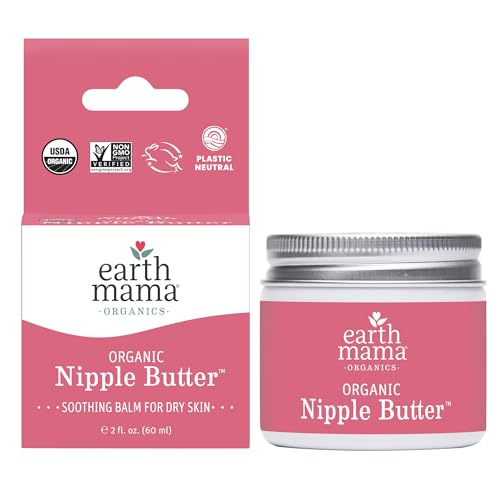
Organic Nipple Butter™ Breastfeeding Cream by Earth Mama
$13.97
- Extra Gentle Formula: Made with a blend of organic herbs and oils, this butter is crafted to soothe and hydrate even the most sensitive skin.
- Baby Safe: There's no need to wipe it off before nursing, thanks to its non-toxic, non-GMO formulation that’s free from petroleum and preservatives.
- Hospital Recommended: Trusted by healthcare professionals, this nipple butter is often found in hospital NICUs—proof of its effectiveness and safety.
- Multi-Purpose Use: Not just for nipples! You can also apply it to dry lips, cuticles, and other areas needing extra moisture.
- Perfect Gift: Ideal for baby showers, this nourishing balm is a thoughtful addition to any new mom's care package.

Palmer's Cocoa Butter Formula Massage Lotion for Stretch Marks, 8.5 oz
$9.29
- Deeply moisturizing formula for long-lasting hydration, keeping your skin supple for up to 48 hours.
- Combines the goodness of Cocoa Butter, Shea Butter, and Argan Oil to enhance skin elasticity during and after pregnancy.
- Hypoallergenic and non-greasy, making it perfect for daily use without leaving a heavy residue.
- Infused with Collagen and Elastin, which work together to promote smoother, more resilient skin.
- Trusted brand with over 180 years of experience crafting effective beauty products using high-quality ingredients.

Rainflow 10 PCS Reusable Nursing Pads - Breastfeeding Essentials
$6.99
- **Comfort Meets Functionality:** The soft synthetic fiber lining feels gentle against your skin, while the absorbent microfibers lock in moisture quickly.
- **Leak-Proof Protection:** The waterproof outer layer prevents any embarrassing leaks or stains, allowing you to focus on bonding with your little one.
- **Breathable Design:** Micro-vents help reduce sweat accumulation, providing a fresh and comfortable experience throughout the day.
- **Versatile Style:** With a multi-color design, these nursing pads can match various underwear shades, so you can feel stylish while nursing.
- **Eco-Conscious Choice:** Reusable and easy to clean, these pads reduce waste compared to disposable options, making them a smart choice for eco-minded families.
As an Amazon Associate we earn from qualifying purchases. We only recommend products we'd use ourselves — we're never paid for placement.
Frequently Asked Questions
How long does postpartum recovery take?
Initial healing takes about 6 weeks, but full recovery of muscles, hormones, and energy commonly takes 6 months to a year — longer after a C-section or difficult birth. Give yourself grace; “recovered” is not a race.
When can I exercise after giving birth?
Gentle walking is usually fine early on, but wait for your provider’s clearance (typically around 6 weeks) before resuming more intense exercise, and ease back in gradually. A pelvic-floor physical therapist can be invaluable if you have leaking, pain, or core weakness.
What is the difference between baby blues and postpartum depression?
Baby blues are mild and short-lived, lifting within about two weeks. Postpartum depression is more intense, lasts longer, and interferes with daily life and bonding. If symptoms persist past two weeks or feel severe at any point, contact your provider — it’s common and very treatable.
This guide is for general educational purposes and is not medical advice. Every baby and every recovery is different. Always consult your pediatrician or healthcare provider with questions about your child’s or your own health.
Angela's Recommended Resources
Guides and courses I personally recommend:
Most Popular
Baby Sleep Miracle
Proven gentle method to help your baby sleep through the night naturally. No cry-it-out, science-backed.
Expert Pick
Pregnancy Miracle Guide
Holistic fertility and pregnancy wellness guide. Natural approach to a healthy pregnancy.
* Affiliate links. We may earn a commission at no extra cost to you.