- Angela’s Picks
- Shop by Age
- Shop by Category
- Shop by Values
- Montessori Toys
- Sensory Toys
- Teething Toys
- Wooden Toys
- Educational Toys
- Stacking & Sorting Toys
- Baby Bottles
- Sippy Cups
- Plates & Bowls
- Bibs
- Baby Utensils
- Deals
- High Chairs
- Breastfeeding & Nursing
- Snack Containers
- Crib Mattresses
- Bassinets
- Sleep Sacks & Swaddles
- Baby Blankets
- Baby Monitors
- Cribs & Nursery Furniture
- Baby Shampoo & Wash
- Baby Lotion & Oil
- Baby Sunscreen
- Bath Tubs & Seats
- Towels & Washcloths
- Diaper Cream & Balm
- Eco-Friendly Diapers
- Baby Wipes
- Potty Training
- Changing Pads
- Cloth Diapers
- Baby Thermometers
- Baby Proofing
- Baby Gates
- Humidifiers
- First Aid & Grooming
- Onesies & Bodysuits
- Sleepers & Pajamas
- Hats & Mittens
- Nursing Pads
- Breast Pumps & Accessories
- Postpartum Care
Toddler Tantrums: Why They Happen and How to Respond

Quick Answer
Understand why toddler tantrums happen and how to respond calmly – prevention strategies, in-the-moment techniques, what not to do, and when tantrums need a doctor.
Few things test a parent’s patience like a full-blown toddler meltdown in the cereal aisle. But tantrums aren’t bad behavior or bad parenting — they’re a normal, healthy part of development. Here’s why they happen and how to respond in a way that keeps everyone calmer.
Why Toddlers Have Tantrums
Toddlers feel big emotions but have a brain that’s still building the wiring for self-control and language. When frustration, hunger, or tiredness outpaces their ability to cope or communicate, it spills over. Common triggers include:
- Hunger or tiredness (the two biggest culprits — the “hangry” toddler is real).
- Frustration at not being able to do or say what they want.
- A need for independence and control (“me do it!”).
- Overstimulation or a sudden transition.
Preventing Tantrums Before They Start
- Stay ahead of hunger and sleep — keep snacks handy and protect naps.
- Offer limited choices (“red cup or blue cup?”) to give a sense of control.
- Warn before transitions — “Two more minutes, then we clean up.”
- Childproof for “yes” — a safe, toddler-proofed space means fewer “no”s.
- Name feelings often, so they build emotional vocabulary.
How to Respond in the Moment
- Stay calm yourself. Your steadiness is the anchor — matching their big energy pours fuel on the fire.
- Get down to their level and acknowledge the feeling: “You’re so mad we have to leave the park.”
- Keep them safe and, if needed, move to a quieter spot. Hold the limit kindly but firmly.
- Don’t reason or lecture mid-tantrum — the thinking brain is offline. Wait for the wave to pass.
- Reconnect afterward with a hug and a few simple words. Skip the long post-mortem.
What Not to Do
Try not to give in to the demand just to stop the noise (it teaches that tantrums work), and avoid punishing the feeling itself. Big emotions aren’t the problem — helping your child learn to ride them out is the goal. Yelling or shaming tends to escalate and erode trust.
When to Talk to Your Pediatrician
Tantrums peak between ages 1 and 3 and ease as language and self-control grow. Mention it to your doctor if tantrums are extremely frequent or intense, last a very long time, involve self-harm or aggression that worries you, or persist strongly past age 4–5 — occasionally extra support is helpful.
Calming & Sensory Picks
| Product | Best For | Price | |
|---|---|---|---|
| Yetonamr Montessori Wooden Sensory Toys for Toddlers | Best Overall | $9.99 | View |
| UIIOPJIOM Dinosaur Color Sorting Sensory Toys for Toddlers | Best Value | $6.95 | View |
| Thremhoo High Contrast Sensory Toys for Babies | Editor's Pick | $12.98 | View |
| Yetonamr Baby Sensory Montessori Toy for 6-18 Months | Great Choice | $9.99 | View |
| Busy Cube Toys for 1 Year Old Boy | Great Choice | $9.99 | View |
| Montessori Sensory Toy Cube for Travel | 1 | Great Choice | $9.99 | View |
BEST OVERALL 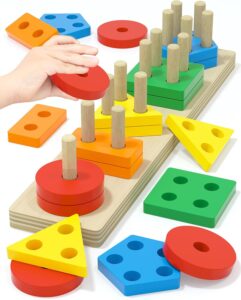
Yetonamr Montessori Wooden Sensory Toys for Toddlers
$9.99
- Enhances fine motor skills and hand-eye coordination as children grasp, stack, and sort colorful geometric shapes.
- Encourages problem-solving and critical thinking as toddlers figure out how to fit pieces together.
- Promotes color recognition and understanding of shapes, making learning fun and engaging.
- Constructed with smooth edges and sturdy pegs, ensuring safety for little hands.
- A perfect screen-free activity that entertains while nurturing creativity and imaginative play.
BEST VALUE 
UIIOPJIOM Dinosaur Color Sorting Sensory Toys for Toddlers
$6.95
- Promotes color recognition through playful sorting, making learning fun.
- Encourages fine motor skills as toddlers squeeze and press colorful beads into the correct positions.
- Supports early math skills by introducing counting and sorting in a tactile, enjoyable way.
- Stimulates sensory development with varying textures and bright colors.
- Fosters independent play, allowing parents to enjoy a moment of peace while kids are actively engaged.
EDITOR'S PICK 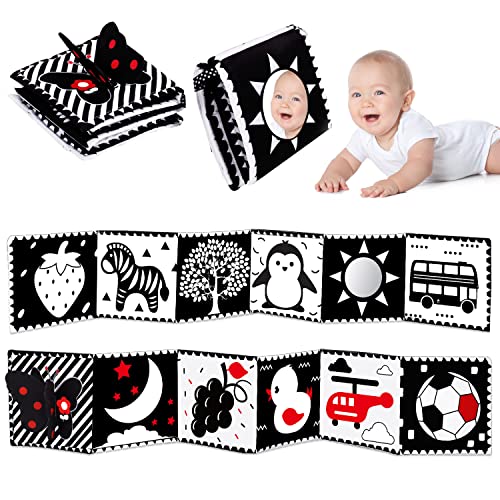
Thremhoo High Contrast Sensory Toys for Babies
$12.98
- Interactive Learning: The combination of crinkle paper and a bi-bi sounder keeps babies entertained while fostering auditory and tactile exploration.
- Promotes Tummy Time: The included mirror and soft book design make tummy time enjoyable, aiding in muscle development and preventing flat head syndrome.
- Safe for Little Hands: Made from soft cotton, parents can feel confident letting their babies explore with their mouths without worry.
- Attracts Attention: The contrasting patterns and cute images are specifically designed to grab your baby's focus, enhancing their attention span.
- Durable & Washable: With strong stitching, this toy can withstand the curious nature of infants and is easy to clean when the inevitable messes happen.

Yetonamr Baby Sensory Montessori Toy for 6-18 Months
$9.99
- Enhances Sensory Skills: The vibrant colors and varied textures stimulate your baby’s sense of touch and visual awareness.
- Promotes Fine Motor Development: With 6 strings of different shapes and colors, your baby can practice pulling and pressing, which strengthens their hand-eye coordination.
- Effective Teething Relief: Made from safe and soft materials, this toy doubles as a teething aid, providing comfort during those tough teething months.
- Versatile Play Options: This toy is perfect for travel, whether in a car, train, or airplane, keeping your little one entertained during long journeys.
- Ideal Gift Choice: Whether for birthdays or holidays, this toy makes a thoughtful gift that supports brain development and parent-child bonding.

Busy Cube Toys for 1 Year Old Boy - Montessori Sensory Toy
$9.99
- Encourages parent-child bonding through collaborative play.
- Enhances hand-eye coordination and fine motor skills through various activities.
- Supports problem-solving abilities and concentration with engaging challenges.
- Compact size makes it ideal for travel—perfect for road trips or airplanes.
- Robust design ensures durability, making it a long-lasting investment in your child’s development.
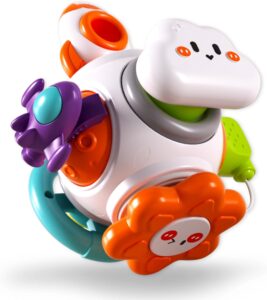
Montessori Sensory Toy Cube for Travel | 1 Stop Baby
$9.99
- Six interactive panels that keep toddlers engaged with activities like a rotating steering wheel and a squeeze button, encouraging imaginative play.
- Promotes fine motor skills and hand-eye coordination through actions like grasping, pulling, and pressing, perfect for developing young minds.
- Compact and travel-friendly design, making it easy to toss in a diaper bag or carry-on for entertainment during trips.
- Bright colors and varied textures provide stimulating sensory experiences that can spark curiosity and exploration.
- Durable construction ensures that this toy can withstand the rough and tumble of toddler adventures while maintaining safety.
As an Amazon Associate we earn from qualifying purchases. We only recommend products we'd use ourselves — we're never paid for placement.
Frequently Asked Questions
At what age do tantrums stop?
Tantrums usually peak around ages 2–3 and gradually decline as children develop language and emotional regulation, often easing significantly by age 4. Occasional meltdowns when tired or overwhelmed can continue normally for a while longer.
Should I ignore my toddler’s tantrums?
You don’t need to give attention to the behavior, but staying calm and emotionally available helps more than cold ignoring. Acknowledge the feeling, keep them safe, hold your limit, and reconnect once they’ve calmed. For attention-seeking tantrums, calm neutrality often works best.
How do I stop a tantrum in public?
Stay calm, get low, acknowledge the feeling briefly, and if possible move to a quieter spot. Don’t cave to demands to avoid embarrassment — other parents understand. Preventing triggers (snacks, naps, warnings before transitions) is the best public-tantrum insurance.
This guide is for general educational purposes and is not medical advice. Every child is different. Consult your pediatrician about your child’s sleep, feeding, behavior, and development.
Angela's Recommended Resources
Guides and courses I personally recommend:
Most Popular
Baby Sleep Miracle
Proven gentle method to help your baby sleep through the night naturally. No cry-it-out, science-backed.
Children Learning Reading
Phonics-based reading program for young children. Simple 15-minute daily lessons that work.
* Affiliate links. We may earn a commission at no extra cost to you.