- Angela’s Picks
- Shop by Age
- Shop by Category
- Shop by Values
- Montessori Toys
- Sensory Toys
- Teething Toys
- Wooden Toys
- Educational Toys
- Stacking & Sorting Toys
- Baby Bottles
- Sippy Cups
- Plates & Bowls
- Bibs
- Deals
- Baby Utensils
- High Chairs
- Breastfeeding & Nursing
- Snack Containers
- Crib Mattresses
- Bassinets
- Sleep Sacks & Swaddles
- Baby Blankets
- Baby Monitors
- Cribs & Nursery Furniture
- Baby Shampoo & Wash
- Baby Lotion & Oil
- Baby Sunscreen
- Bath Tubs & Seats
- Towels & Washcloths
- Diaper Cream & Balm
- Eco-Friendly Diapers
- Baby Wipes
- Potty Training
- Changing Pads
- Cloth Diapers
- Baby Thermometers
- Baby Proofing
- Baby Gates
- Humidifiers
- First Aid & Grooming
- Onesies & Bodysuits
- Sleepers & Pajamas
- Hats & Mittens
- Nursing Pads
- Breast Pumps & Accessories
- Postpartum Care
Pregnancy Trimester Guide: What to Expect in Each Stage

Quick Answer
A trimester-by-trimester pregnancy guide: baby's development, your symptoms, key checkups, and what to do in the first, second, and third trimesters.
Pregnancy is divided into three trimesters, each with its own milestones, symptoms, and to-dos. Here’s a clear, trimester-by-trimester roadmap of what’s happening with your baby, what to expect in your body, and how to prepare — without the overwhelm.
First Trimester (Weeks 1–13)
Baby: From a tiny cluster of cells to a fully-formed fetus with a heartbeat, limbs, and major organs taking shape by the end of the trimester.
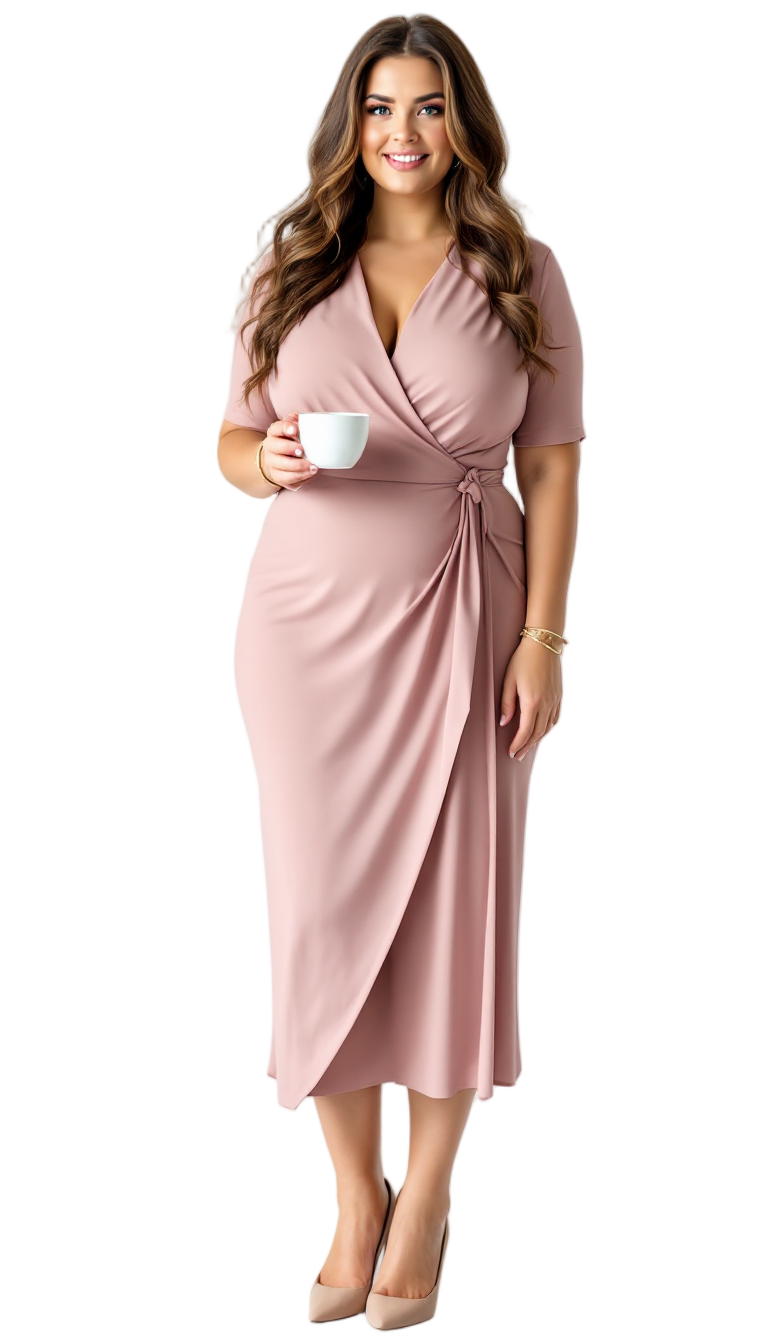
You: Fatigue, nausea (“morning” sickness that can strike any time), tender breasts, and frequent bathroom trips are common as hormones surge. Be gentle with yourself — this is hard, invisible work.
- Start a prenatal vitamin with folic acid (ideally before conception).
- Book your first prenatal appointment and confirm your due date.
- Avoid alcohol, smoking, raw/undercooked foods, high-mercury fish, and unpasteurized products.
- Review our non-toxic pregnancy guide for what’s actually worth avoiding.
Second Trimester (Weeks 14–27)
Baby: Grows rapidly, starts moving, and develops hearing. You’ll likely feel those first flutters (“quickening”) around 18–22 weeks, and an anatomy ultrasound around 20 weeks can reveal the sex if you want to know.
You: Often the “golden trimester” — nausea usually eases and energy returns. A visible bump appears. Watch for the glucose screening (around 24–28 weeks).
- Start thinking about your baby registry — our non-toxic registry checklist makes it easy.
- Plan the nursery, including low-VOC paint and a safe crib mattress.
- Consider childbirth and breastfeeding classes.
Third Trimester (Weeks 28–40+)
Baby: Gains weight quickly, practices breathing, and moves into a head-down position for birth. Lungs and brain finish maturing.
You: Back to bigger and more tired — expect swelling, heartburn, Braxton-Hicks contractions, and trouble sleeping. Prenatal visits become more frequent (weekly near the end).
- Pack your hospital bag by ~36 weeks.
- Install the car seat and have it checked.
- Wash and prep newborn essentials — see our newborn care guide.
- Learn the signs of labor and finalize your birth preferences.
When to Call Your Provider
Contact your provider promptly for heavy bleeding, severe or persistent headache, vision changes, sudden swelling, a noticeable drop in baby’s movement, fluid leaking, or regular painful contractions before 37 weeks. When in doubt, always call — that’s what they’re there for.
Pregnancy Comfort Picks
| Product | Best For | Price | |
|---|---|---|---|
| QETRABONE Breast Therapy Pads Hot Cold Gel Pack | Best Overall | $9.96 | View |
| Willow Find Your Flow Feeding Kit, 13-Piece Breastfeeding | Best Value | $54.99 | View |
| Lansinoh Organic Nipple Butter, 2 Ounces | Editor's Pick | $14.99 | View |
| Motherlove Nipple Cream Organic Herbal Salve for Breastfeeding | Great Choice | $12.99 | View |
| Papablic Glass Breastmilk Pitcher | Great Choice | $35.99 | View |
| Milk Collectors for Breastfeeding | Great Choice | $7.99 | View |
BEST OVERALL 
QETRABONE Breast Therapy Pads Hot Cold Gel Pack
$9.96
- Hot & Cold Relief: Use these pads to soothe pain from engorgement with cold therapy or relieve mastitis and encourage milk let-down with warm therapy.
- Breast Pump Aid: Heat the gel packs and snap them onto your breast pump to improve milk production and reduce pumping time.
- Multi-Purpose Use: Beyond breastfeeding, these pads also help alleviate discomfort from hemorrhoids and swelling, making them a versatile addition to your maternity care.
- Safe & Gentle: Made from non-toxic gel, the velvet insulation ensures a comfortable experience against your skin during use.
- Reusable & Convenient: Designed for multiple uses, simply refrigerate or heat the pads to your preference for soothing relief whenever you need it.
BEST VALUE 
Willow Find Your Flow Feeding Kit, 13-Piece Breastfeeding Set
$54.99
- Comprehensive Support: The 13 pieces in this kit cover every aspect of breastfeeding, ensuring that you have all the tools you need at your fingertips.
- Comfort Focused: Designed with both mom and baby in mind, the kit includes items that promote comfort during feeding sessions.
- Portable Convenience: The compact design allows for easy storage and transport, making it an ideal choice for on-the-go moms.
- Smart Design: Each piece is user-friendly, taking the guesswork out of breastfeeding with streamlined functionality.
- Versatile Use: Perfect for various stages of breastfeeding, from initial latch to pumping and storage.
EDITOR'S PICK 
Lansinoh Organic Nipple Butter, 2 Ounces
$14.99
- 100% Organic Ingredients: Crafted with a blend of sunflower oil, olive oil, beeswax, coconut oil, shea butter, and calendula extract for ultimate nourishment.
- Safe for Direct Use: No need to wash off before breastfeeding, allowing for seamless feeding sessions.
- Hypoallergenic and Gentle: Dermatologist tested to be safe for sensitive skin, helping to prevent irritation.
- Versatile Use: Perfect not only for sore nipples but also effective for dry skin on other areas, making it a multi-use product.
- Climate Neutral Commitment: Feel good about using a product from a brand committed to sustainability and ethical practices.

Motherlove Nipple Cream Organic Herbal Salve for Breastfeeding
$12.99
- Soothes and repairs sore, chapped nipples with natural ingredients.
- Lanolin-free, making it safe for use before and during nursing.
- Rich infusion of marshmallow and calendula calms sensitive skin.
- Thickened with beeswax and shea butter for an effective barrier against moisture loss.
- Unscented formula avoids overwhelming fragrances, perfect for sensitive noses.

Papablic Glass Breastmilk Pitcher
$35.99
- Maintains Nutritional Integrity: The unique Pitcher Method allows you to mix and manage breastmilk without disturbing the fat layer, ensuring your baby receives every bit of nutrition.
- Durable and Safe: Made from heavy-duty glass, the pitcher is both non-toxic and odor-free, offering a safer alternative to plastic containers.
- Clump-Free Mixing: Engineered to prevent air bubbles and clumping, ensuring your baby gets a consistent feeding experience every time.
- Effortless Cleaning: The smooth glass surface resists residue buildup and is dishwasher safe, letting you spend more time with your little one and less time cleaning.
- Versatile Temperature Resistance: This pitcher can handle both hot sterilization and cold storage, making it perfect for busy parents.

Milk Collectors for Breastfeeding
$7.99
- Effortlessly collects milk during breastfeeding sessions, reducing waste and increasing your supply.
- Made from safe, food-grade silicone that is gentle on skin and free from harmful chemicals.
- Compact and portable, making it ideal for on-the-go moms.
- Easy to clean and dishwasher safe, simplifying your daily routine.
- Soft and flexible design ensures a comfortable fit while nursing.
As an Amazon Associate we earn from qualifying purchases. We only recommend products we'd use ourselves — we're never paid for placement.
Frequently Asked Questions
How many weeks are in each trimester?
The first trimester is weeks 1–13, the second is weeks 14–27, and the third is week 28 through birth (around 40 weeks). A full-term pregnancy is considered 39–40 weeks, though babies safely arrive anywhere from 37 to 42 weeks.
When should I start buying baby items?
Many parents start their registry and bigger purchases in the second trimester, when energy is up and the anatomy scan is done. Aim to have the essentials — car seat, a safe sleep space, diapers, and feeding basics — ready by around 36 weeks.
What should I avoid during pregnancy?
Avoid alcohol, smoking, recreational drugs, raw or undercooked meat and eggs, high-mercury fish, unpasteurized dairy, and excess caffeine. Check medications and supplements with your provider, and minimize exposure to harsh chemical fumes. Our non-toxic pregnancy guide covers the details.
This guide is for general educational purposes and is not medical advice. Every pregnancy, baby, and body is different. Always consult your doctor, midwife, or a lactation consultant with specific questions.
Angela's Recommended Resources
Guides and courses I personally recommend:
Most Popular
Baby Sleep Miracle
Proven gentle method to help your baby sleep through the night naturally. No cry-it-out, science-backed.
Expert Pick
Pregnancy Miracle Guide
Holistic fertility and pregnancy wellness guide. Natural approach to a healthy pregnancy.
* Affiliate links. We may earn a commission at no extra cost to you.