- Angela’s Picks
- Shop by Age
- Shop by Category
- Shop by Values
- Montessori Toys
- Sensory Toys
- Teething Toys
- Wooden Toys
- Educational Toys
- Stacking & Sorting Toys
- Baby Bottles
- Sippy Cups
- Plates & Bowls
- Bibs
- Baby Utensils
- Deals
- High Chairs
- Breastfeeding & Nursing
- Snack Containers
- Crib Mattresses
- Bassinets
- Sleep Sacks & Swaddles
- Baby Blankets
- Baby Monitors
- Cribs & Nursery Furniture
- Baby Shampoo & Wash
- Baby Lotion & Oil
- Baby Sunscreen
- Bath Tubs & Seats
- Towels & Washcloths
- Diaper Cream & Balm
- Eco-Friendly Diapers
- Baby Wipes
- Potty Training
- Changing Pads
- Cloth Diapers
- Baby Thermometers
- Baby Proofing
- Baby Gates
- Humidifiers
- First Aid & Grooming
- Onesies & Bodysuits
- Sleepers & Pajamas
- Hats & Mittens
- Nursing Pads
- Breast Pumps & Accessories
- Postpartum Care
Is Fragrance in Baby Products Safe? What Every Parent Should Know

Quick Answer
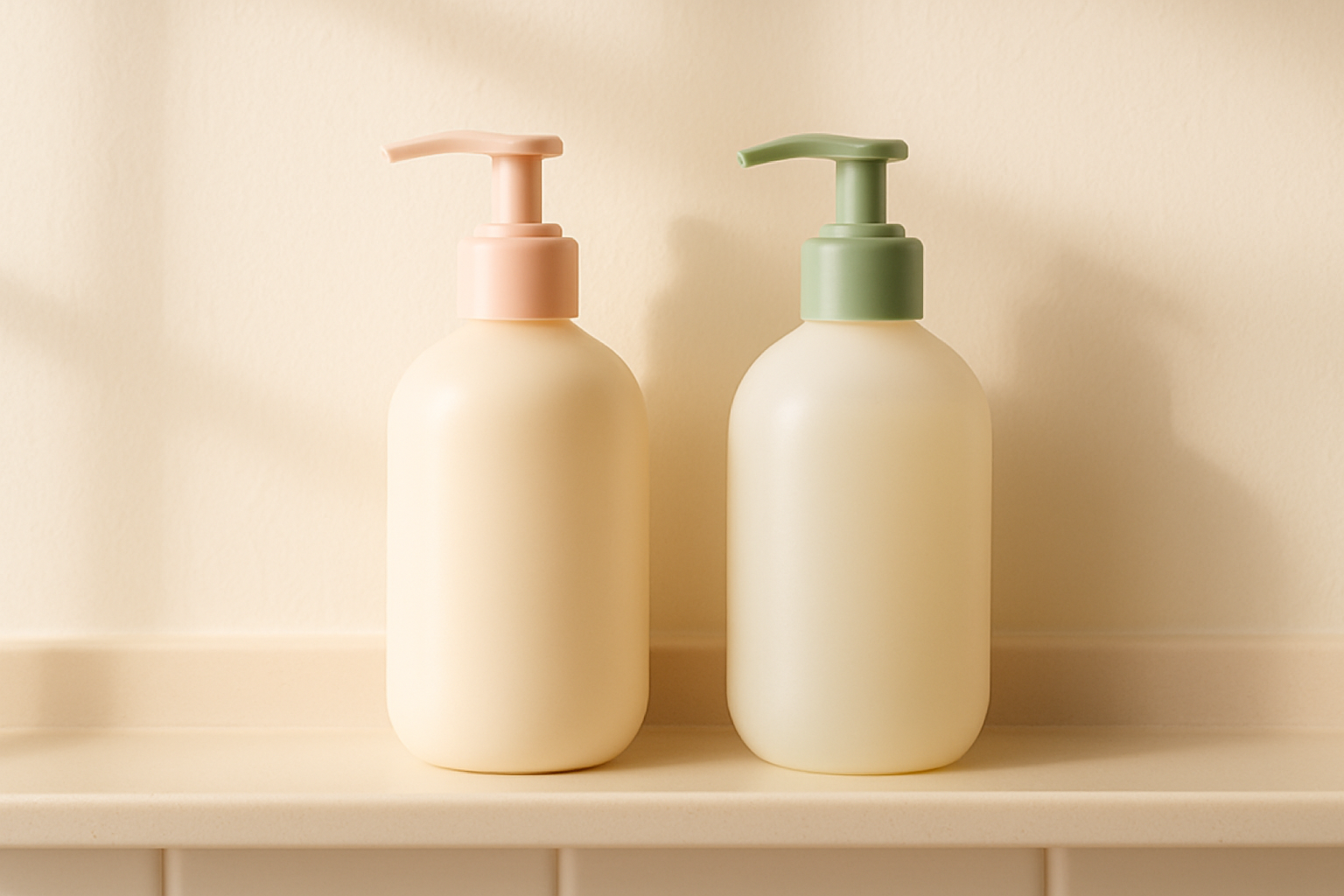
Added fragrance is a top cause of baby skin irritation. Learn why fragrance-free is the safest default and how to spot truly fragrance-free products.
If you’ve ever flipped a baby lotion bottle over and squinted at the tiny ingredient list, you’ve probably noticed one word that shows up again and again: fragrance (sometimes written as parfum). It seems harmless — even nice. Who doesn’t love that soft, clean baby smell? But here’s the honest truth I share with every new parent who asks me: added fragrance is the single most common cause of skin irritation in babies, and it’s one of the main reasons dermatologists so often recommend fragrance-free products for little ones.
The tricky part is that the word “fragrance” on a label is a catch-all. Because scent recipes are considered trade secrets, a single “fragrance” or “parfum” listing can legally stand in for dozens of individual ingredients that the company never has to spell out — sometimes including compounds like phthalates, which are used to make scents last longer. So when you’re looking at fragrance in baby products, you’re often looking at a mystery you can’t fully evaluate, even when you’re reading carefully.
That’s why my simple, no-stress rule of thumb is this: for anything that sits on your baby’s skin — lotions, washes, wipes, even laundry detergent — fragrance-free is the safest default. Not because every scented product will cause a problem, but because fragrance-free removes the most common irritant and the biggest unknown all at once.
Why “Fragrance” on a Label Tells You So Little
Most ingredients on a personal-care label have to be named individually. Fragrance is the big exception. Under longstanding labeling rules, manufacturers are allowed to group an entire scent blend under the single word “fragrance” or “parfum” to protect their formulas. That protection makes business sense, but it leaves parents in the dark.
In practice, that one word can represent a long list of aroma chemicals and solvents. Some are perfectly gentle. Others are known to trigger allergic reactions or contact dermatitis in sensitive skin — and a baby’s skin is far more sensitive than ours. Because the specifics aren’t disclosed, you can’t tell a mild blend from a harsh one just by reading the label. You’re trusting, not knowing.
Baby Sleep Miracle
Help baby sleep through the night naturally
Get It →“Fragrance-Free” vs. “Unscented” — They’re Not the Same
This is the distinction that surprises parents the most, so it’s worth slowing down on. These two terms sound interchangeable, but they can mean very different things:
- Fragrance-free generally means no fragrance ingredients were added to the product at all — not for scent, not for masking. This is what you actually want for baby.
- Unscented often means the product has no obvious smell — but a masking fragrance may have been added specifically to cover up the natural odor of the other ingredients. In other words, “unscented” can still contain fragrance.
It feels backwards, I know. But once you’ve seen it, you can’t unsee it. When in doubt, look for the words fragrance-free and then confirm by scanning the ingredient list for “fragrance,” “parfum,” or “aroma.”
Where Fragrance Hides (It’s More Places Than You Think)
When parents think about fragrance, they usually picture lotion or baby wash. But added scent shows up across a surprising number of everyday products that touch your baby’s skin all day long:
- Lotions and creams — the most obvious, and a frequent source of flare-ups on dry or eczema-prone skin.
- Baby washes and bubble baths — left on warm, wet skin during the most absorbent moment of the day.
- Baby wipes — used many times a day on the most sensitive areas. This is a big one parents often overlook.
- Laundry detergent and fabric softener — the scent clings to every onesie, sleep sack, and crib sheet against their skin.
- Diapers — some are lightly scented, which means fragrance sitting in constant contact for hours.
You don’t have to overhaul everything overnight. But if your baby is having unexplained redness or fussiness, these are the everyday items I’d audit first. Switching wipes and detergent alone often makes a noticeable difference.
Who’s Most Sensitive to Fragrance?
Every baby is different, but some are especially likely to react. Newborns have thinner, more permeable skin and a barrier that’s still maturing, so they absorb more and tolerate less. Babies with eczema (or a family history of eczema, allergies, or asthma) tend to have a more reactive skin barrier, and fragrance is one of the most common triggers for flare-ups.
If that describes your little one, fragrance-free isn’t just a nice-to-have — it’s one of the simplest, most protective choices you can make. And honestly, even for babies with no known sensitivities, going fragrance-free for the first year costs you nothing and removes a variable.
But Aren’t Natural Essential-Oil Scents Safe?
I want to be straight with you here, because this is where a lot of well-meaning marketing gets fuzzy. “Natural” does not automatically mean “gentle for babies.” Essential oils are concentrated plant compounds, and several common ones can irritate sensitive skin or aren’t recommended for infants at all. A scent being plant-derived rather than synthetic doesn’t change the basic fact that it’s still a fragrance going onto delicate skin.
So please don’t read this as “synthetic bad, natural good.” For skin-contact products in the early months, the genuinely safest path is simply no added scent at all — natural or synthetic.
How to Spot Truly Fragrance-Free Baby Products
Here’s the practical checklist I keep coming back to when I’m vetting anything for the shop or for my own family:
- Look for the words “fragrance-free,” not “unscented.” Remember, unscented can still hide a masking scent.
- Scan the full ingredient list yourself. Front-of-package claims can be loose; the ingredient list is where the truth lives.
- Watch for the hidden words: “fragrance,” “parfum,” “aroma,” and even “essential oil blend” all signal added scent.
- Be skeptical of “naturally fragranced” or “lightly scented.” These are still scented — the wording is just softer.
- Shorter lists are easier to trust. Fewer ingredients means fewer unknowns.
- Patch test something new. Dab a little on a small spot, wait a day, and watch before using it head-to-toe.
- Don’t forget the “invisible” products. Wipes, detergent, and diapers count just as much as lotion.
This is exactly the lens we use when we choose what to carry. If you’d like a head start, the gentle options in our bath & skincare collection are a good place to begin, and you can find fragrance-free choices among our diapers & potty essentials too — including wipes, which are one of the easiest swaps to make.
Fragrance-Free Skincare We Trust
| Product | Best For | Price | |
|---|---|---|---|
| Babo Botanicals Soothing Miracle Balm for Sensitive Skin | Best Overall | $17.00 | View |
| The Honest Company Nourishing Shampoo & Body Wash | Best Value | $11.29 | View |
| Eucerin Baby Body Lotion, Hypoallergenic, 13.5 Fl Oz | Editor's Pick | $11.79 | View |
| Babo Botanicals Miracle Face Cream – Oat & | Great Choice | $16.98 | View |
| Dove Beauty Bar Cucumber & Green Tea 4 | Great Choice | $6.57 | View |
| Aquaphor Baby Healing Balm Stick, 0.65 Oz | Great Choice | $10.39 | View |
BEST OVERALL 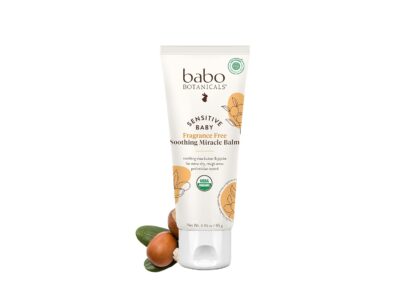
Babo Botanicals Soothing Miracle Balm for Sensitive Skin
$17.00
- Fragrance-free formula ensures no irritation for sensitive skin.
- Made with organic ingredients like olive oil and shea butter to deeply moisturize.
- Ideal for soothing extra-dry areas, providing quick relief from discomfort.
- Gentle and non-toxic, making it safe for babies and young children.
- Moms appreciate its multitasking abilities—perfect for everything from chapped cheeks to dry elbows.
BEST VALUE 
The Honest Company Nourishing Shampoo & Body Wash 10 oz
$11.29
- Gentle Cleansing: Formulated to cleanse without stripping natural oils, keeping baby’s skin soft and hydrated.
- Natural Ingredients: Made with nourishing oils that promote healthy skin and hair without the use of sulfates or parabens.
- Easy Rinse: The lightweight formula allows for a quick and easy rinse, making bath time a breeze for both you and your baby.
- Delicate Scent: Infused with a subtle, pleasant fragrance derived from natural sources, providing a calming experience during bath time.
- Versatile Use: Functions as both a shampoo and body wash, simplifying your baby’s bathing routine with one convenient product.
EDITOR'S PICK 
Eucerin Baby Body Lotion, Hypoallergenic, 13.5 Fl Oz
$11.79
- Daily Moisturization: The lotion is perfect for everyday use, helping to maintain your baby’s skin hydration and softness.
- Gentle Formulation: Enriched with Pro-Vitamin B5 and natural Shea Butter, it provides nurturing care without the worry of irritants.
- Hypoallergenic: Designed specifically for sensitive skin, this lotion minimizes the risk of allergic reactions.
- Convenient Pump Design: The easy-to-use pump bottle allows for quick dispensing, making application a breeze during busy diaper changes.
- Trusted Brand: Eucerin is recommended by dermatologists and pediatricians, ensuring you choose a brand that prioritizes your baby’s skin health.
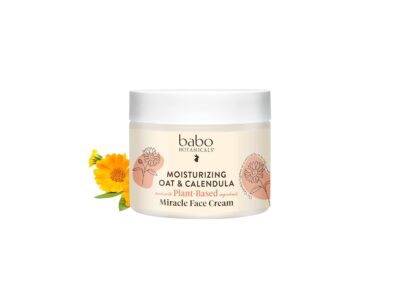
Babo Botanicals Miracle Face Cream – Oat & Calendula
$16.98
- Rich in shea butter, this cream provides deep hydration perfect for dry or sensitive skin.
- Infused with oat and calendula, it works wonders to soothe irritation and redness.
- Its light, non-greasy texture ensures it absorbs quickly, leaving skin feeling soft without any oily residue.
- Completely non-toxic and vegan, offering peace of mind for environmentally conscious families.
- Parents rave about its effectiveness and how little is needed for lasting moisture.

Dove Beauty Bar Cucumber & Green Tea 4 oz
$6.57
- Moisturizing Formula: Enriched with quality ingredients that help prevent dryness, keeping your baby’s delicate skin supple.
- Refreshing Scent: The soothing fragrance of cucumber and green tea provides a calm and refreshing bathing experience.
- Gentle Cleanse: This bar soap is designed to cleanse without stripping natural oils, perfect for sensitive skin.
- Cruelty-Free: Feel good knowing that no animals were harmed in the making of this soap, aligning with your eco-friendly values.
- Easy to Use: Its solid form makes it convenient for on-the-go families, reducing spills and messes during bath time.

Aquaphor Baby Healing Balm Stick, 0.65 Oz
$10.39
- Multi-Purpose Relief: This balm is clinically proven to soothe, protect, and help heal dry, sensitive skin, making it a versatile addition to your baby care routine.
- Gentle on Skin: Enriched with nourishing avocado oil and shea butter, the balm provides deep hydration without irritating delicate skin.
- Convenient Application: The mess-free stick format glides on smoothly, allowing for quick and easy application, perfect for busy parents on the go.
- Family Friendly: Although made for babies, this product is suitable for the entire family, making it a versatile skin care option for everyone.
- Hypoallergenic Formula: Free from fragrances and parabens, the balm is designed to minimize allergic reactions and is safe for everyday use.
As an Amazon Associate we earn from qualifying purchases. We only recommend products we'd use ourselves — we're never paid for placement.
Frequently Asked Questions
Is fragrance bad for babies?
Not every scented product will harm every baby — but added fragrance is the most common cause of skin irritation in infants, and the label rarely tells you what’s actually in it. Because babies have thinner, more sensitive skin, the safest and simplest choice is to avoid added fragrance in anything that touches their skin, especially in the first year.
What’s the difference between fragrance-free and unscented?
“Fragrance-free” means no fragrance ingredients were added at all — this is what you want for baby. “Unscented” usually means the product has no noticeable smell, but a masking fragrance may have been added to neutralize the scent of other ingredients. So an unscented product can still contain fragrance. Always confirm by reading the ingredient list.
Are essential oils safe for babies?
Natural doesn’t automatically mean safe. Essential oils are concentrated plant compounds, and several common ones can irritate a baby’s skin or aren’t recommended for infants. For skin-contact products in the early months, no added scent — natural or synthetic — is the gentlest choice. Check with your pediatrician before using essential oils on or around a baby.
How do I know if a product is really fragrance-free?
Read the full ingredient list rather than trusting the front of the package. Look for the label “fragrance-free,” then make sure the words “fragrance,” “parfum,” “aroma,” or “essential oil blend” don’t appear. Shorter ingredient lists are generally easier to trust, and it’s always smart to patch test anything new.
At the end of the day, choosing fragrance-free is one of the easiest, kindest things you can do for your baby’s skin — and you’ve got this, mama. xo, Angela
Angela's Recommended Resources
Guides and courses I personally recommend:
Most Popular
Baby Sleep Miracle
Proven gentle method to help your baby sleep through the night naturally. No cry-it-out, science-backed.
Children Learning Reading
Phonics-based reading program for young children. Simple 15-minute daily lessons that work.
* Affiliate links. We may earn a commission at no extra cost to you.