- Angela’s Picks
- Shop by Age
- Shop by Category
- Shop by Values
- Montessori Toys
- Sensory Toys
- Teething Toys
- Wooden Toys
- Educational Toys
- Stacking & Sorting Toys
- Baby Bottles
- Sippy Cups
- Plates & Bowls
- Bibs
- Baby Utensils
- Deals
- High Chairs
- Breastfeeding & Nursing
- Snack Containers
- Crib Mattresses
- Bassinets
- Sleep Sacks & Swaddles
- Baby Blankets
- Baby Monitors
- Cribs & Nursery Furniture
- Baby Shampoo & Wash
- Baby Lotion & Oil
- Baby Sunscreen
- Bath Tubs & Seats
- Towels & Washcloths
- Diaper Cream & Balm
- Eco-Friendly Diapers
- Baby Wipes
- Potty Training
- Changing Pads
- Cloth Diapers
- Baby Thermometers
- Baby Proofing
- Baby Gates
- Humidifiers
- First Aid & Grooming
- Onesies & Bodysuits
- Sleepers & Pajamas
- Hats & Mittens
- Nursing Pads
- Breast Pumps & Accessories
- Postpartum Care
Your Baby’s First Cold: Symptoms and Safe Remedies

Quick Answer
What to do for your baby's first cold – safe home remedies that actually help, what to avoid, and the symptoms that mean it's time to call the doctor or go to the ER.
Your baby’s first cold is stressful — that tiny stuffy nose and cough can feel alarming. The reassuring truth: most colds are mild and run their course in about a week to ten days, and babies catch many of them as their immune systems learn. Here’s how to keep your little one comfortable, what to skip, and the red flags that need a doctor.
Safe Home Remedies That Actually Help
- Saline drops + suction. A few saline drops, then a nasal aspirator or bulb syringe, clears the nose — especially before feeds and sleep.
- A cool-mist humidifier in the room eases congestion and dry airways.
- Keep feeds frequent and small. A stuffy baby nurses or takes a bottle in shorter bursts — hydration is the priority.
- Elevate during awake time (hold upright); never add pillows or inclines to the crib — flat and firm is safest for sleep.
- Extra rest and cuddles. Comfort genuinely helps recovery.
What to Avoid
Do not give over-the-counter cough and cold medicines to children under 4 (they’re not safe or effective for little ones). Skip honey before 12 months (botulism risk). Don’t use vapor rubs with camphor/menthol on babies, and never give aspirin. For fever, only use infant acetaminophen (or ibuprofen if over 6 months) at the correct weight-based dose — confirm with your pediatrician, especially for young infants.
When to Call the Doctor
- Any fever of 100.4°F (38°C)+ in a baby under 3 months — call immediately.
- Trouble breathing: fast breathing, flaring nostrils, ribs pulling in, or grunting — seek care now.
- Bluish lips or skin — emergency.
- Refusing to feed, far fewer wet diapers, or unusual lethargy.
- A cough or congestion that worsens after a few days, or a fever lasting more than ~3 days.
Cold-Season Comfort Picks
| Product | Best For | Price | |
|---|---|---|---|
| Stadler Form Oskar Humidifier - White | Best Overall | $167.99 | View |
| Ultrasonic Humidifier with Frangrance Diffuser and Night Light | Best Value | $35.04 | View |
| Dream Mix Pro White Noise Night Light Humidifier | Editor's Pick | $68.88 | View |
| PureGuardian H4810AR Ultrasonic Humidifier, 120 Hr, 2 Gal | Great Choice | $69.99 | View |
| PureGuardian Ultrasonic Warm and Cool Mist Humidifier 12.5L | Great Choice | $69.99 | View |
| Pure Guardian H910BL Ultrasonic Cool Mist Humidifier | Great Choice | $29.99 | View |
BEST OVERALL 
Stadler Form Oskar Humidifier - White
$167.99
- Smart Humidification: Oskar features an integrated hygrostat that allows for precise humidity control, ensuring your home remains comfortably moist without overdoing it.
- Energy Efficient: This model is designed to be power-saving, automatically switching off when the water tank is empty, helping you save on energy costs.
- Whisper-Quiet Operation: Its quiet night mode makes it perfect for bedrooms, allowing your baby to sleep peacefully without disruptive noise.
- Filter Change Reminder: Oskar is equipped with a memo function that reminds you when it’s time to change the filters, taking the guesswork out of maintenance.
- Flexible and Versatile: With two output levels and a fragrance dispenser, you can customize the air quality to fit your family’s needs.
BEST VALUE 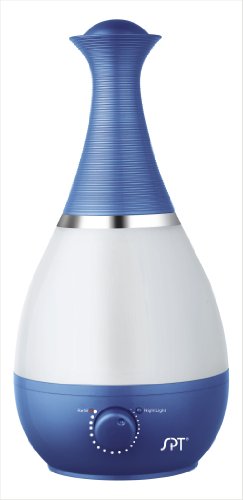
Ultrasonic Humidifier with Frangrance Diffuser and Night Light (Blue)
$35.04
- Creates a soothing atmosphere with adjustable mist depth for personalized comfort.
- Features a built-in fragrance diffuser to enhance the air with calming scents, perfect for bedtime routines.
- Operates quietly, ensuring your baby sleeps soundly without disruptive noises.
- Night light feature provides gentle illumination, which is ideal for nighttime feedings and diaper changes.
- Large 2.3-liter tank capacity covers rooms up to 450 sq. feet, making it great for nurseries or playrooms.
EDITOR'S PICK 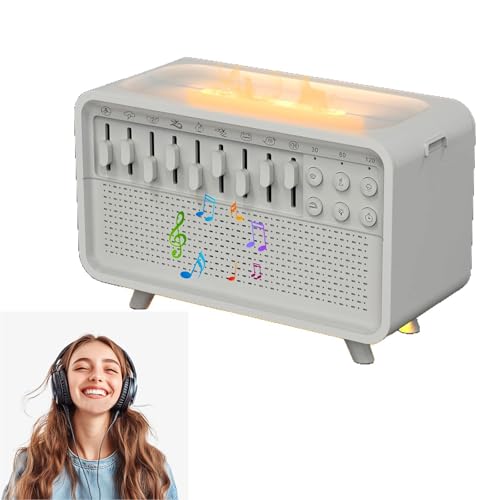
Dream Mix Pro White Noise Night Light Humidifier
$68.88
- Multi-functional design: Combines humidification, white noise, and a night light in one stylish unit.
- Delicate cold fog: Helps alleviate skin dryness and discomfort, providing comfort during bath times or dry nights.
- Soothing ambiance: The flickering flame effect of the light creates a warm, inviting atmosphere while playing gentle melodies.
- Easy operation: Clear function buttons make it simple to adjust volume, switch modes, or set timers.
- Charming aesthetic: Retro-inspired design adds a nostalgic touch to any nursery or bedroom decor.

PureGuardian H4810AR Ultrasonic Humidifier, 120 Hr, 2 Gal
$69.99
- Long-Lasting Operation: With a 2-gallon tank, this humidifier can run for up to 120 hours, allowing you to worry less about frequent refills.
- Customizable Mist Options: Choose between warm or cool mist, plus three different speed settings to perfectly tailor your baby's environment.
- Aromatherapy Tray: Enhance the atmosphere by adding your favorite essential oils to the aromatherapy tray, creating a soothing experience for both you and your baby.
- Safety Features: The low water indicator and auto shut-off function provide peace of mind, ensuring the unit turns off when the water level is low.
- Night Light: The soft glow night light makes it easy to check on your baby in the dark without waking them up.

PureGuardian Ultrasonic Warm and Cool Mist Humidifier 12.5L
$69.99
- Extended Runtime: The large 1.32-gallon tank can cover rooms up to 570 sq. ft. and operates for an impressive 90 hours, minimizing the need for frequent refills.
- Smart Humidity Control: A built-in smart mist sensor automatically adjusts the humidity level to your desired setting, keeping the environment just right.
- Quiet Operation: Utilizing ultrasonic technology, this humidifier operates whisper-quiet, allowing your baby to sleep peacefully without disruption.
- Silver Clean Protection: This feature helps inhibit the growth of mold and mildew in the tank, ensuring cleaner mist output for healthier air.
- Additional Features: Includes a digital display, nightlight, timer, and adjustable mist speeds, catering to your family's specific needs.

Pure Guardian H910BL Ultrasonic Cool Mist Humidifier
$29.99
- Quiet Operation: The ultrasonic technology ensures a whisper-quiet experience, perfect for nighttime use.
- Long Runtime: With a .21-gallon tank, enjoy up to 14 hours of continuous cool mist, minimizing the need for frequent refills.
- Soothing Glow: Features an optional night light that adds a gentle, comforting glow in the nursery.
- Easy Maintenance: No need for evaporating pads or filters—just refill the tank and enjoy!
- Safety Features: Includes an auto shut-off function when the water tank is empty, providing peace of mind.
As an Amazon Associate we earn from qualifying purchases. We only recommend products we'd use ourselves — we're never paid for placement.
Frequently Asked Questions
How long does a baby cold last?
Most baby colds last about 7–10 days, with the worst congestion around days 3–5. A lingering mild cough or sniffle can persist a bit longer. If symptoms worsen rather than gradually improve after a few days, check with your pediatrician.
Can I give my baby cold medicine?
No — over-the-counter cough and cold medicines are not recommended for children under 4. Stick to saline drops, suction, a humidifier, fluids, and rest. For fever, use weight-appropriate infant acetaminophen (or ibuprofen if over 6 months) per your pediatrician’s guidance.
How can I help my congested baby sleep?
Use saline drops and suction right before bed, run a cool-mist humidifier, and keep feeds up for hydration. Always place baby on their back on a firm, flat surface — don’t use inclined sleepers or add pillows, which are unsafe.
This guide is for general educational purposes and is not medical advice. Always consult your pediatrician about your baby’s health, skin, or symptoms.
Angela's Recommended Resources
Guides and courses I personally recommend:
Most Popular
Baby Sleep Miracle
Proven gentle method to help your baby sleep through the night naturally. No cry-it-out, science-backed.
* Affiliate links. We may earn a commission at no extra cost to you.