- Angela’s Picks
- Shop by Age
- Shop by Category
- Shop by Values
- Montessori Toys
- Sensory Toys
- Teething Toys
- Wooden Toys
- Educational Toys
- Stacking & Sorting Toys
- Baby Bottles
- Sippy Cups
- Plates & Bowls
- Bibs
- Baby Utensils
- Deals
- High Chairs
- Breastfeeding & Nursing
- Snack Containers
- Crib Mattresses
- Bassinets
- Sleep Sacks & Swaddles
- Baby Blankets
- Baby Monitors
- Cribs & Nursery Furniture
- Baby Shampoo & Wash
- Baby Lotion & Oil
- Baby Sunscreen
- Bath Tubs & Seats
- Towels & Washcloths
- Diaper Cream & Balm
- Eco-Friendly Diapers
- Baby Wipes
- Potty Training
- Changing Pads
- Cloth Diapers
- Baby Thermometers
- Baby Proofing
- Baby Gates
- Humidifiers
- First Aid & Grooming
- Onesies & Bodysuits
- Sleepers & Pajamas
- Hats & Mittens
- Nursing Pads
- Breast Pumps & Accessories
- Postpartum Care
Non-Toxic Nursery Furniture: The Complete Buying Guide (2026)

Quick Answer
Build a safe nursery with non-toxic furniture. Learn which woods, finishes, and certifications to look for in cribs, dressers, gliders, and changing tables.
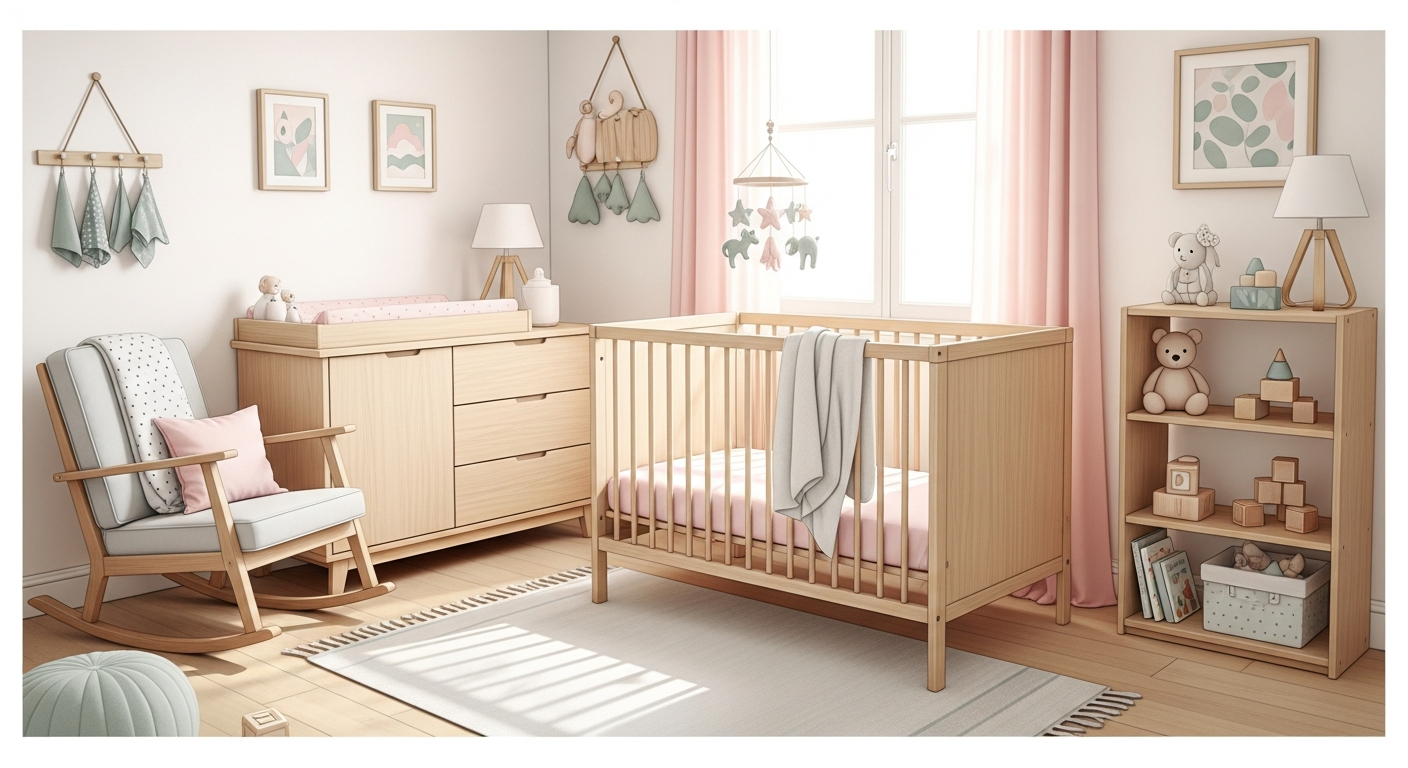
Setting up the nursery is one of the most exciting parts of preparing for a new baby. But nursery furniture is also one of the biggest potential sources of indoor air pollution in your home. That new furniture smell everyone talks about? It is actually a cocktail of volatile organic compounds off-gassing from adhesives, finishes, and engineered wood products.
The good news is the non-toxic nursery furniture market has exploded in recent years. You no longer have to choose between beautiful design and safe materials. Here is your complete guide to building a nursery that looks amazing and keeps your baby’s air clean.
Baby Sleep Miracle
Help baby sleep through the night naturally
Get It →Best Non-Toxic Nursery Furniture
| Product | Best For | Price | |
|---|---|---|---|
| Graco Hadley 5-in-1 Convertible Crib | Best Overall | $299.99 | View |
| DaVinci Charlie 4-in-1 Convertible Crib | Best Value | $199.00 | View |
| Pack and Play Sheets, 2 Pack Mini Crib | Editor's Pick | $8.99 | View |
| Foundations Chelsea Metal Compact Crib with Adjustable Mattress | Great Choice | $299.99 | View |
| TotAha Premium Soft Crib Sheets Fitted | Great Choice | $15.99 | View |
| BROLEX Baby Bedding Collection - Mini & Standard | Great Choice | $12.99 | View |
BEST OVERALL 
Graco Hadley 5-in-1 Convertible Crib
$299.99
- 5-in-1 Functionality: This crib adapts to your child’s needs, allowing for a smooth transition from crib to full-size bed.
- Convenient Storage: With a full-size drawer featuring two compartments, parents can keep nursery essentials organized and easily accessible.
- Adjustable Height Options: The mattress support base offers three height adjustments, making it easy to find the perfect fit as your baby grows.
- Quality Construction: Made from sustainable New Zealand pine wood, the Hadley crib is built to last, ensuring safety and durability.
- Safety Certified: Expert tested through third-party laboratories, this crib meets and exceeds safety standards, offering peace of mind for parents.
BEST VALUE 
DaVinci Charlie 4-in-1 Convertible Crib
$199.00
- 4-in-1 Convertibility: Seamlessly transitions from crib to toddler bed to full-size bed, saving you money on multiple purchases.
- Adjustable Mattress Heights: Four adjustable positions allow you to lower the mattress as your baby grows, ensuring safety and convenience.
- Quality Materials: Crafted from sustainable New Zealand pinewood and engineered wood, providing durability and stability.
- Non-Toxic Finish: Finished with a multi-step, non-toxic painting process, free from harmful chemicals like lead and phthalates.
- Easy Pairing: Complements other DaVinci nursery furniture, like the Charlie 3-Drawer Dresser, for a coordinated look.
EDITOR'S PICK 
Pack and Play Sheets, 2 Pack Mini Crib Sheets
$8.99
- Premium Quality: Crafted from 100% microfiber, these sheets offer a luxuriously soft touch that feels gentle against your baby's skin.
- Easy Care: Fade-resistant and machine washable, you can effortlessly keep these sheets looking fresh with minimal effort.
- Perfect Fit: Designed to snugly fit standard pack and play and mini crib mattresses measuring 39"x27"x5", ensuring safety and comfort for your baby.
- Colorful Variety: Each pack features a mix of playful prints and soft muted colors, allowing you to express your style while keeping your baby's space cozy.
- Secure Design: The elastic band around the edges ensures a snug fit that helps prevent slipping, giving you peace of mind while your baby sleeps.
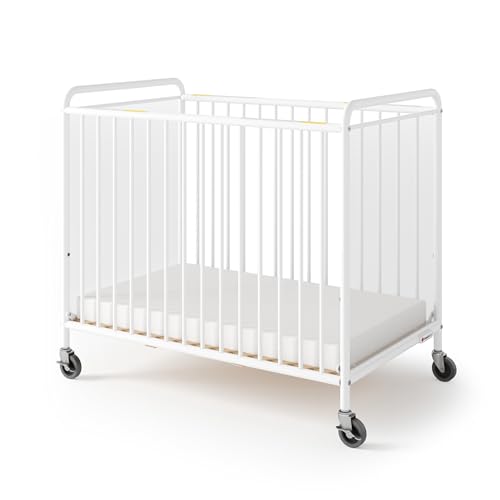
Foundations Chelsea Metal Compact Crib with Adjustable Mattress Board
$299.99
- Space-Saving Design: Ideal for rooms where space is at a premium, this crib fits snugly into smaller areas without sacrificing safety or comfort.
- Effortless Mobility: Equipped with 3” oversized swivel wheels, moving the crib from room to room is a breeze, and the locking casters ensure it stays put when needed.
- Strong and Safe Construction: Made from heavy-duty steel with seamless 360° welds, this crib offers exceptional strength and stability for active little ones.
- Adjustable Mattress Height: The two-position adjustable mattress board allows you to lower the mattress as your baby grows, making it accessible for caregivers.
- Included Premium Foam Mattress: Comes with a 3” thick Infapure foam mattress that is free from harmful chemical flame retardants, providing a safe sleeping surface.
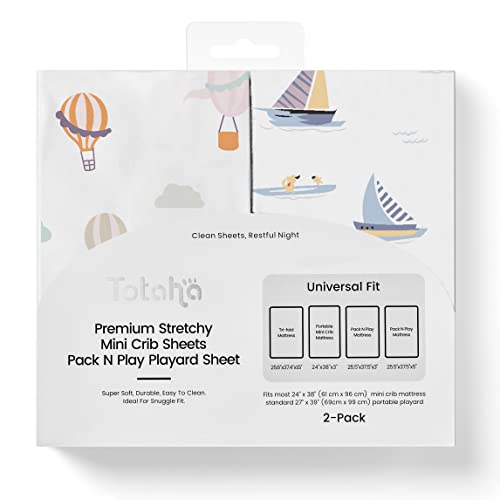
TotAha Premium Soft Crib Sheets Fitted
$15.99
- Incredible Softness: The TotCare Fabric is woven from the finest fibers, providing a silky, gentle touch against your baby's delicate skin.
- Durable and Long-lasting: With over 100,000 washes without fading or damage, these sheets maintain their premium feel and fit wash after wash.
- Optimal Temperature Control: Breathable and lightweight, the fabric helps regulate your baby's temperature for a cool and comfortable sleep.
- Flexible Fit: The sheets mold perfectly to the crib mattress, ensuring a snug fit that won't shift during the night.
- Eco-Friendly Commitment: TotAha prioritizes sustainable production, so you can rest easy knowing your purchase supports environmentally-friendly practices.

BROLEX Baby Bedding Collection - Mini & Standard Crib Sheets
$12.99
- **Ultimate Comfort**: Crafted to provide a soft and gentle surface, these sheets help your baby drift off into peaceful sleep.
- **Easy to Clean**: Made from machine-washable fabric, these sheets are convenient for busy parents, allowing for quick clean-up after any little messes.
- **Breathable Material**: The breathable design helps regulate your baby's temperature, promoting a comfortable sleep environment throughout the night.
- **Secure Fit**: With elastic edges, these sheets stay snugly in place on mini cribs and playards, providing a stable sleeping surface for active toddlers.
- **Stylish Options**: Available in a range of colors and patterns, these sheets will complement any nursery decor while enhancing functionality.
As an Amazon Associate we earn from qualifying purchases. We only recommend products we'd use ourselves — we're never paid for placement.
Why Nursery Furniture Matters More Than Other Rooms
Babies spend 12 to 16 hours per day sleeping in their nursery during the first year. Their respiratory rates are higher than adults, which means they breathe in more air relative to their body weight. Their developing organs and nervous systems are more vulnerable to chemical exposure. And nurseries are often the smallest bedroom in the house, which concentrates any off-gassing in a smaller air volume. This combination makes the nursery the single most important room to get right.
The Big Three Chemicals in Furniture
Formaldehyde
Found in particleboard, MDF, plywood adhesives, and some finishes, formaldehyde is classified as a known human carcinogen by the International Agency for Research on Cancer. It off-gasses slowly over years. Nursery furniture made from solid wood or formaldehyde-free plywood eliminates this exposure entirely.
VOCs (Volatile Organic Compounds)
Paints, stains, lacquers, and adhesives release VOCs including benzene, toluene, and xylene. These chemicals can cause respiratory irritation, headaches, and are linked to longer-term health effects with chronic exposure. Water-based, low-VOC or zero-VOC finishes are widely available now and perform just as well.
Flame Retardants
While not as common in hard furniture, upholstered items like gliders, nursing chairs, and changing pad covers often contain chemical flame retardants. These accumulate in household dust, which babies ingest through normal hand-to-mouth behavior. Look for furniture that meets flammability standards through barrier fabrics rather than chemical treatments.
Non-Toxic Crib Guide
The crib is the centerpiece of the nursery and where your baby will spend the most time. For a non-toxic crib, prioritize solid wood construction from sustainably sourced forests. Look for GREENGUARD Gold certification. Verify the finish is water-based and non-toxic. Avoid cribs made primarily from MDF or particleboard. And check that the mattress support is metal or solid wood rather than composite materials.
Top picks include Babyletto, which is GREENGUARD Gold certified and uses water-based non-toxic finishes across their entire line. Oeuf uses sustainably sourced birch and non-toxic finishes made in Europe. And Pottery Barn Kids has expanded their GREENGUARD Gold options significantly in recent years.
Non-Toxic Dresser and Changing Table Guide
Dressers are often the most problematic piece of nursery furniture because large, flat surfaces like drawer panels are commonly made from MDF or particleboard to keep costs down. These engineered woods use formaldehyde-based resins as binding agents.
For a non-toxic dresser, solid wood is ideal but expensive. If the dresser uses any engineered wood, look for TSCA Title VI or CARB Phase 2 compliance at minimum, which limits formaldehyde emissions. Better yet, look for NAF (no-added-formaldehyde) plywood. Drawer interiors matter too since they are enclosed spaces where off-gassing concentrates. And tip-over prevention hardware should be included with any dresser for safety.
Non-Toxic Glider and Nursing Chair Guide
This is where flame retardants become the primary concern. Most upholstered furniture sold in the US historically contained chemical flame retardants to meet TB117, a California flammability standard. The updated TB117-2013 standard allows manufacturers to meet flammability requirements without chemicals, but not all have made the switch.
When shopping for a nursery glider, ask specifically if the product contains chemical flame retardants. Look for the TB117-2013 tag, which indicates the updated standard. Choose natural fabrics like organic cotton, linen, or wool over synthetic upholstery. If buying used, know that furniture made before 2014 is much more likely to contain flame retardant chemicals. And brands like Monte Design and Nursery Works specifically market flame-retardant-free options.
Certifications That Matter for Furniture
GREENGUARD Gold is the most comprehensive certification for furniture, testing for over 10,000 chemicals and VOCs with extra-strict limits for children and the elderly. FSC (Forest Stewardship Council) ensures sustainable forestry but does not address chemical content. CARB Phase 2 limits formaldehyde in composite wood, which is good but does not cover other chemicals. OEKO-TEX covers textiles like upholstery fabric and mattress covers. And SCS Indoor Advantage Gold is similar to GREENGUARD Gold and equally trustworthy.
Budget-Friendly Tips
A fully non-toxic nursery does not have to break the bank. Consider solid wood vintage or secondhand furniture, which has had years to off-gas completely. IKEA’s solid wood options like the SNIGLAR crib are surprisingly clean and affordable. Paint existing furniture yourself with zero-VOC paint from brands like Benjamin Moore Natura or Sherwin-Williams Harmony. Focus your budget on the crib first since that is where baby spends the most time. And air out any new furniture for at least two weeks before the baby arrives.
The Bottom Line
Building a non-toxic nursery is one of the most impactful things you can do for your baby’s health during their first year. The air quality in the room where they sleep 14 hours a day directly affects their developing lungs, brain, and immune system. You do not need to buy everything at once or choose the most expensive option for every piece. Start with the crib, prioritize solid wood and GREENGUARD Gold certification where possible, and air out everything thoroughly before baby arrives. Small, intentional choices add up to a significantly cleaner environment.
Angela's Recommended Resources
Guides and courses I personally recommend:
Most Popular
Baby Sleep Miracle
Proven gentle method to help your baby sleep through the night naturally. No cry-it-out, science-backed.
* Affiliate links. We may earn a commission at no extra cost to you.