- Angela’s Picks
- Shop by Age
- Shop by Category
- Shop by Values
- Montessori Toys
- Sensory Toys
- Teething Toys
- Wooden Toys
- Educational Toys
- Stacking & Sorting Toys
- Baby Bottles
- Sippy Cups
- Plates & Bowls
- Bibs
- Baby Utensils
- Deals
- High Chairs
- Breastfeeding & Nursing
- Snack Containers
- Crib Mattresses
- Bassinets
- Sleep Sacks & Swaddles
- Baby Blankets
- Baby Monitors
- Cribs & Nursery Furniture
- Baby Shampoo & Wash
- Baby Lotion & Oil
- Baby Sunscreen
- Bath Tubs & Seats
- Towels & Washcloths
- Diaper Cream & Balm
- Eco-Friendly Diapers
- Baby Wipes
- Potty Training
- Changing Pads
- Cloth Diapers
- Baby Thermometers
- Baby Proofing
- Baby Gates
- Humidifiers
- First Aid & Grooming
- Onesies & Bodysuits
- Sleepers & Pajamas
- Hats & Mittens
- Nursing Pads
- Breast Pumps & Accessories
- Postpartum Care
Non-Toxic Baby Products on a Budget: 25 Affordable Swaps

Quick Answer
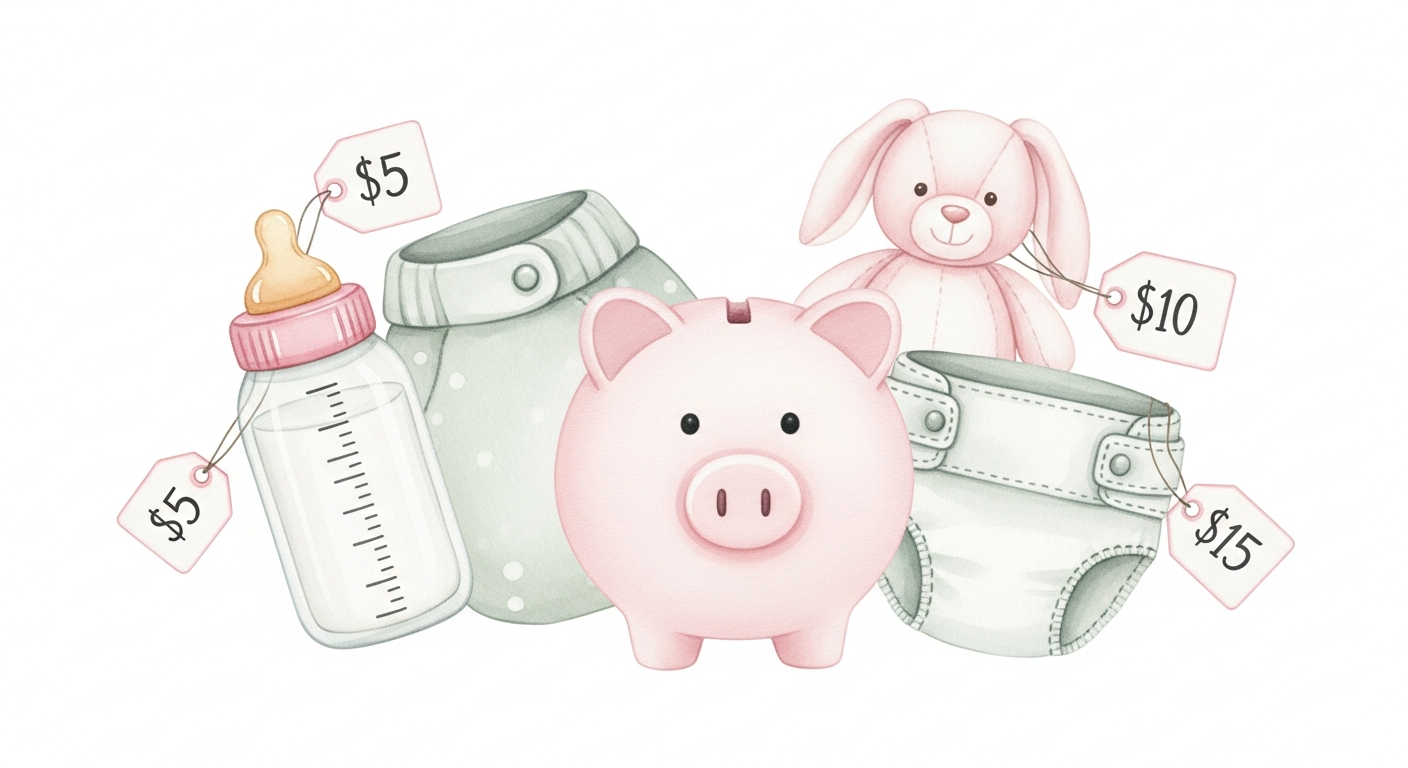
You don't need to spend a fortune to go non-toxic. Here are 25 affordable swaps for every baby product category that won't break the bank.
Updated for 2025. All products independently researched. Some links are affiliate links — we earn a small commission at no cost to you.
One of the biggest myths in the non-toxic baby world is that going clean means going broke. I hear it constantly: “I’d love to buy organic everything, but we just can’t afford it.” Here’s the truth: you don’t have to. Smart swaps in the right categories can reduce your baby’s chemical exposure by 80% without doubling your budget.
I’ve organized these swaps by priority — start at the top (highest exposure risk) and work your way down as your budget allows.
Priority 1: What Touches Baby’s Skin All Day
1. Swap mainstream diapers for eco-disposables
Why: Conventional diapers contain chlorine, fragrances, and SAP gel in constant contact with baby’s most sensitive skin 24/7. Budget pick: Eco by Naty or Bambo Nature — about $0.03-0.05 more per diaper than Pampers. Over a year, that’s roughly $40-70 extra for a massive reduction in chemical exposure.
Baby Sleep Miracle
Help baby sleep through the night naturally
Get It →2. Switch to fragrance-free baby wash
Why: “Fragrance” on a label can hide dozens of undisclosed chemicals including phthalates. Budget pick: Burt’s Bees Baby Wash ($8) or Dr. Bronner’s Castile Soap diluted ($12 makes 6+ months of baby wash). Both are EWG-rated and cost about the same as Johnson’s.
3. Use coconut oil instead of baby lotion
Why: Most baby lotions contain parabens, synthetic fragrance, and petroleum derivatives. Budget pick: Organic virgin coconut oil ($8-10 for a jar that lasts 3-4 months). One ingredient. Works better than most baby lotions. It’s what dermatologists actually recommend for infant eczema.
4. Choose cotton sleepwear over polyester
Why: Polyester pajamas are treated with flame retardants by law (unless they’re skin-tight). Organic cotton sleepers that fit snugly are exempt from flame retardant requirements. Budget pick: Primary.com and H&M Conscious line both offer affordable organic cotton sleepers under $15.
5. Swap baby wipes for water wipes
Why: Most wipes contain phenoxyethanol, fragrance, and preservatives that touch baby’s skin hundreds of times a week. Budget pick: WaterWipes ($0.04/wipe) or make your own with paper towels + water + a drop of coconut oil.
Priority 2: What Baby Puts in Their Mouth
6. Glass bottles instead of plastic
Budget pick: Evenflo Classic Glass Bottles ($5-7 each). No need for expensive brands — glass is glass. Add a silicone sleeve ($3) for grip and drop protection.
7. Silicone pacifiers over latex
Budget pick: Itzy Ritzy or NaturSutten — medical-grade silicone, BPA-free. About $2 more than mainstream options.
8. Wooden teethers instead of plastic
Budget pick: Maple wood teethers on Amazon ($6-8). Look for “finished with food-grade mineral oil or beeswax.” Avoid painted wood teethers unless the paint is explicitly certified non-toxic.
9. Stainless steel sippy cups
Budget pick: Elk and Friends or Munchkin stainless ($10-14). They’ll last through multiple kids, unlike plastic cups that degrade and need replacing.
10. Silicone bibs over plastic-backed fabric
Budget pick: Mushie silicone bibs ($12) or Amazon basics silicone bibs ($8/2-pack). Food-grade silicone, BPA-free, dishwasher-safe, and they actually catch food.
Priority 3: Sleep Environment
11-15. Crib mattress, sheets, sleep sack, white noise, nursery air
Crib mattress: This is the ONE area I’d say spend more if you can. Baby sleeps on it 14-17 hours a day. Newton Baby ($200) or Naturepedic Lightweight ($260) are the gold standard. But if budget is truly tight, a standard mattress with an organic cotton mattress pad cover ($25-35) reduces contact with the mattress surface significantly.
Sheets: Burt’s Bees Baby organic cotton crib sheets ($13-16). One of the best value organic options out there.
Sleep sack: HALO organic cotton sleep sack ($25-30). Safer than blankets and made from organic cotton.
The Bottom Line
Total cost of the top 10 budget swaps above: roughly $50-100 more per year than conventional products. That’s less than $2/week to dramatically reduce your baby’s chemical exposure in the highest-risk categories.
You don’t need to go all-organic, all-at-once. Start with what touches their skin and goes in their mouth. The rest can wait.
— Angela Grace
Budget-Friendly Non-Toxic Picks
| Product | Best For | Price | |
|---|---|---|---|
| Plum Organics Stage 4 Variety - Toddler’s Flavor | Best Overall | $24.48 | View |
| Era Organics USDA Organic Baby Powder - 3oz | Best Value | $9.99 | View |
| Burt's Bees Baby Organic Cotton Washcloths - 3 | Editor's Pick | $9.95 | View |
| Happiest Baby SNOO Bassinet Fitted Sheet - Organic | Great Choice | $19.95 | View |
| Sweet Charm Organic Burp Cloths - 5 Pack | Great Choice | $19.96 | View |
| Happy Family Organics Stage 2 Baby Food Pouches | Great Choice | $1.74 | View |
BEST OVERALL 
Plum Organics Stage 4 Variety - Toddler’s Flavor Expedition
$24.48
- Variety of Flavors: This selection features mouthwatering combinations like Banana & Blueberry and Strawberry & Banana, ensuring that your toddler enjoys mealtime.
- Organic Ingredients: Made with USDA certified organic purees, you can feel good knowing you are feeding your child non-GMO food.
- No Added Sugars or Salt: Each pouch is crafted without any unsweetened additives, keeping your child’s diet as pure as possible.
- Convenient Pouches: The resealable pouches make on-the-go snacking effortless, perfect for busy parents and curious toddlers.
- Health-Packed Nutrition: These blends are enriched with wholesome ingredients like Greek yogurt, spinach, and millet, promoting a balanced diet.
BEST VALUE 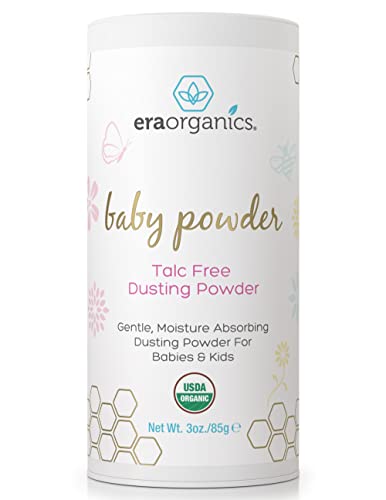
Era Organics USDA Organic Baby Powder - 3oz
$9.99
- Made from organic arrowroot powder and cornstarch, it naturally absorbs moisture while keeping skin soft and dry.
- Talc-free formulation ensures safety, making it ideal for sensitive skin and for use with cloth diapers.
- Infused with gentle calendula and rosemary extracts, it helps soothe and protect irritated or chapped skin.
- Free from fragrances and artificial additives, it’s perfect for parents concerned about toxic ingredients.
- Versatile use: great for diaper rash, chafing, or even as a freshening powder for shoes.
EDITOR'S PICK 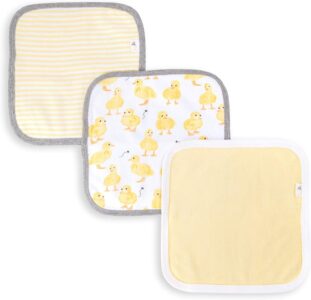
Burt's Bees Baby Organic Cotton Washcloths - 3 Pack
$9.95
- Ultra-Soft Comfort: Crafted from plush organic cotton, these washcloths are incredibly gentle, making bath time a cozy experience for your baby.
- Versatile Use: The 9 x 9 inch size is ideal for everything from quick face wipes to full bath scrubs, meeting your baby's needs at every stage.
- Eco-Friendly Choice: Selecting these washcloths not only cares for your baby but also supports sustainable practices, making them a win for the planet.
- Durable Design: These washcloths are built to last, maintaining their softness and absorbency through multiple washes.
- Thoughtful Gift: Perfect for baby showers or as a registry item, these washcloths are a charming addition to any new parent's toolkit.
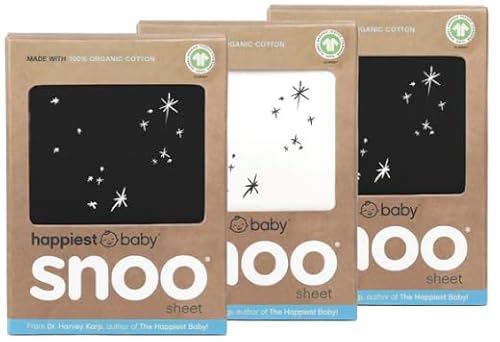
Happiest Baby SNOO Bassinet Fitted Sheet - Organic Cotton
$19.95
- Ultimate Comfort: The premium cotton fabric ensures that your baby stays cozy and comfortable throughout the night.
- Breathable Design: The sheets are breathable, allowing for better air circulation, which is crucial for safe sleep.
- Stylish Options: Available in six beautifully coordinated colors, these sheets can complement any nursery decor.
- Value Pack: Purchasing three sheets instead of one saves you money while providing extra convenience for busy parents.
- Perfect Fit: Designed specifically for the SNOO Bassinet, these sheets fit snugly to prevent bunching and ensure safety.
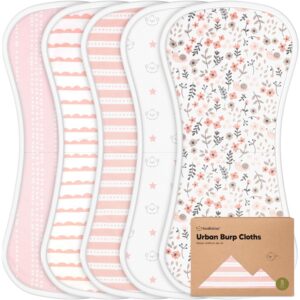
Sweet Charm Organic Burp Cloths - 5 Pack
$19.96
- Generously sized at 21" x 10", providing ample coverage to protect clothing and surfaces.
- Soft and plush feel, making them gentle against your baby's sensitive skin.
- Unisex design that complements any nursery décor, perfect for siblings or future additions.
- Machine washable for easy cleanup and long-lasting use through all your baby's stages.
- Made from organic cotton, offering a safe choice for your little ones.

Happy Family Organics Stage 2 Baby Food Pouches 4 Oz 1
$1.74
- Simple Ingredients: Each pouch contains only three organic ingredients, ensuring that you know exactly what your baby is eating.
- Flavorful Nutrition: The combination of pear, spinach, and kale introduces your baby to new flavors while providing essential nutrients.
- Transparent Packaging: The clear pouch design allows you to see the vibrant goodness inside, instilling confidence in every meal.
- Health Benefits: Each serving contains 3g of fiber, aiding in digestion and promoting overall health for your little one.
- Mom-Founded Mission: With a commitment to changing children’s health through nutrition, Happy Family Organics empowers parents to make informed choices.
As an Amazon Associate we earn from qualifying purchases. We only recommend products we'd use ourselves — we're never paid for placement.
Angela's Recommended Resources
Guides and courses I personally recommend:
Most Popular
Baby Sleep Miracle
Proven gentle method to help your baby sleep through the night naturally. No cry-it-out, science-backed.
* Affiliate links. We may earn a commission at no extra cost to you.