- Angela’s Picks
- Shop by Age
- Shop by Category
- Shop by Values
- Montessori Toys
- Sensory Toys
- Teething Toys
- Wooden Toys
- Educational Toys
- Stacking & Sorting Toys
- Baby Bottles
- Sippy Cups
- Plates & Bowls
- Bibs
- Deals
- Baby Utensils
- High Chairs
- Breastfeeding & Nursing
- Snack Containers
- Crib Mattresses
- Bassinets
- Sleep Sacks & Swaddles
- Baby Blankets
- Baby Monitors
- Cribs & Nursery Furniture
- Baby Shampoo & Wash
- Baby Lotion & Oil
- Baby Sunscreen
- Bath Tubs & Seats
- Towels & Washcloths
- Diaper Cream & Balm
- Eco-Friendly Diapers
- Baby Wipes
- Potty Training
- Changing Pads
- Cloth Diapers
- Baby Thermometers
- Baby Proofing
- Baby Gates
- Humidifiers
- First Aid & Grooming
- Onesies & Bodysuits
- Sleepers & Pajamas
- Hats & Mittens
- Nursing Pads
- Breast Pumps & Accessories
- Postpartum Care
How to Read Baby Product Labels Like a Pro

Quick Answer
Stop guessing what's in your baby's products. Learn to decode ingredient lists, spot greenwashing, and identify truly safe products in minutes.
Updated for 2025. All products independently researched. Some links are affiliate links — we earn a small commission at no cost to you.
You’re standing in the baby aisle. The bottle says “natural,” “gentle,” and “pure.” There’s a leaf on the label. It MUST be safe, right? Not necessarily. The baby product industry is full of meaningless marketing terms, and learning to see past them takes about 5 minutes of education. Let me give you that education right now.
Marketing Terms That Mean Nothing
These words are not regulated by the FDA, FTC, or any other body when used on baby products:
- “Natural” — Has zero legal definition for cosmetics or baby products. Arsenic is natural.
- “Gentle” — Marketing term. No testing requirement.
- “Pure” — Same as above. A product can be “pure” and still contain synthetic chemicals.
- “Dermatologist tested” — Means a dermatologist looked at it. Doesn’t mean they approved it or that it passed any specific test.
- “Hypoallergenic” — Not regulated by the FDA. Companies can use it freely with no testing.
- “Pediatrician recommended” — Could mean one pediatrician was paid to endorse it.
- “Plant-based” — May contain 1% plant extract and 99% synthetic chemicals.
- “Green” or “Eco” — Not regulated. Pure marketing.
How to Actually Read an Ingredient List
Rule 1: Ingredients are listed by concentration
The first ingredient is the most abundant. If “water” is first and “organic aloe” is last, that product is mostly water with a trace of aloe. The marketing may show aloe leaves all over the bottle, but the ingredient list tells the truth.
Rule 2: “Fragrance” is the biggest red flag
By law, companies can list dozens of chemicals under the single word “fragrance” (or “parfum”) without disclosing any of them. This loophole, called the “fragrance exemption,” means a product could contain phthalates, synthetic musks, and allergens that never appear on the label. If you see “fragrance” in a baby product, put it back.
Rule 3: The shorter the list, the better
A good baby lotion needs 5-10 ingredients. If the list has 25+ ingredients with names you can’t pronounce, that’s usually a sign of unnecessary synthetic additives. Some exceptions exist (certain preservative systems require multiple components), but as a general rule, shorter = simpler = safer.
Rule 4: Use the EWG Skin Deep database
The Environmental Working Group maintains a free searchable database of 90,000+ products rated 1-10 for safety. Search any product or ingredient at ewg.org/skindeep. Look for products rated 1-2 (low hazard). Anything above 3, investigate further.
The 5-Second Label Check
In a rush? Here’s the fastest way to evaluate any baby product in the store:
- Flip to the back. Ignore the front — it’s all marketing.
- Scan for “fragrance” or “parfum.” If you see it, put it back.
- Count the ingredients. Under 10 for skincare? Good sign.
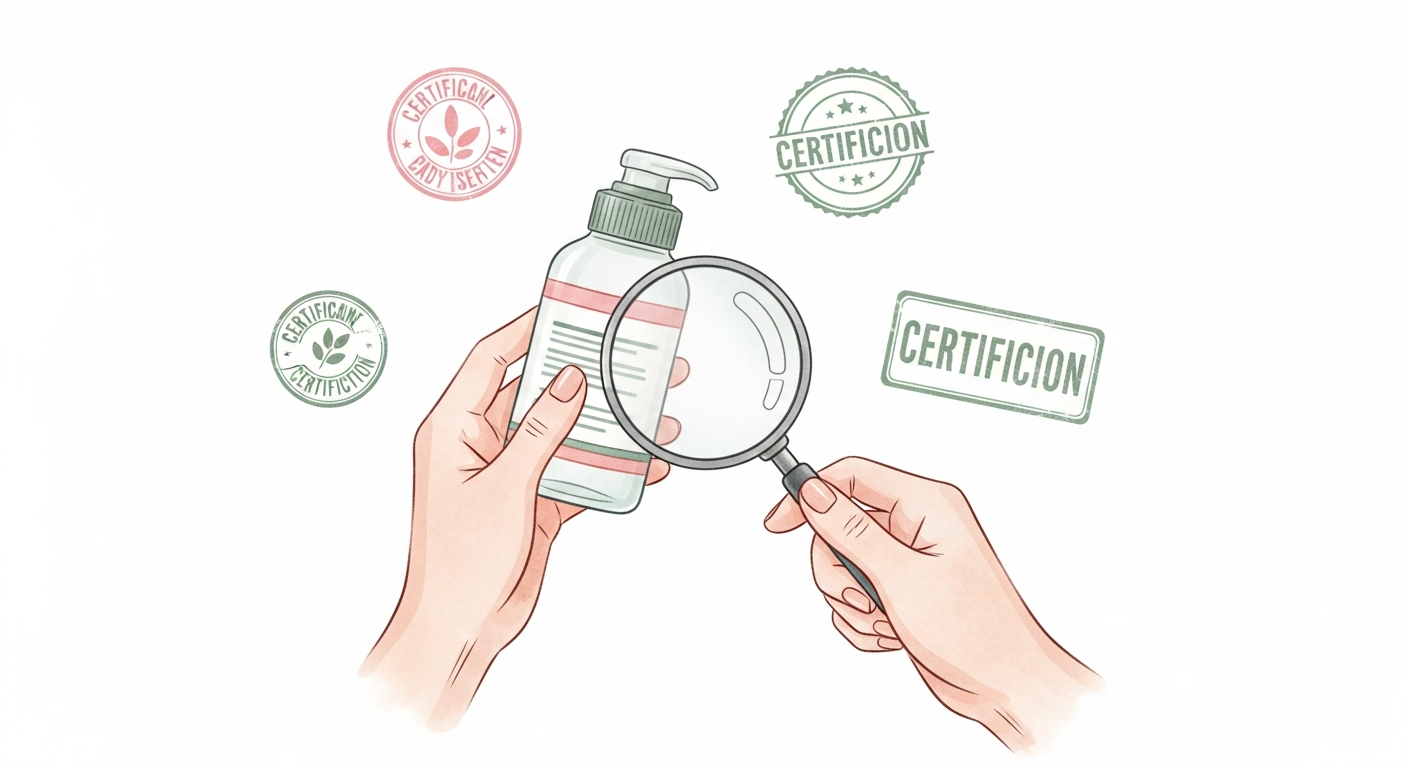
- Look for certifications. EWG Verified, MADE SAFE, or USDA Organic logos on the back (not just marketing claims on the front).
- Check for our banned list. Parabens, phthalates, SLS, formaldehyde releasers, PEGs. If you spot any, pass.
That’s it. Five seconds, and you’ve eliminated 80% of the problematic products on the shelf.
— Angela Grace
Clean-Label Picks
| Product | Best For | Price | |
|---|---|---|---|
| Butterblu Blake 5-Pack Organic Cotton Bodysuits | Best Overall | $34.99 | View |
| Happy Family Organic Teethers Organic Teething Wafers | Best Value | $9.99 | View |
| Organic Baby Shampoo - Gentle & Moisturizing | Editor's Pick | $14.99 | View |
| Organic Muslin Bibs for Drooling & Teething | Great Choice | $9.99 | View |
| Plum Organics Stage 4 Variety - Toddler’s Flavor | Great Choice | $24.48 | View |
| Era Organics USDA Organic Baby Powder - 3oz | Great Choice | $9.99 | View |
BEST OVERALL 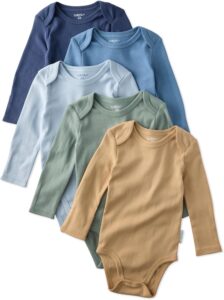
Butterblu Blake 5-Pack Organic Cotton Bodysuits
$34.99
- Made from buttery soft, GOTS certified organic cotton that’s gentle on your baby’s delicate skin.
- Expandable neck and nickel-free snaps that make dressing and diaper changes a breeze.
- Cheerful colors and designs that can be easily paired with pants, PJs, and accessories.
- Each bodysuit is designed to withstand frequent washing while maintaining softness and vibrant color.
- Available in sizes from newborn to 24 months, accommodating your baby’s growth and movements.
BEST VALUE 
Happy Family Organic Teethers Organic Teething Wafers
$9.99
- Gentle on Gums: The soft texture of these wafers dissolves easily, making them a safe choice for your baby's tender gums.
- Organic Ingredients: Crafted from jasmine rice flour and organic fruits and vegetables, these wafers are free from artificial flavors, ensuring a clean snack for your baby.
- First Snack Experience: They're designed to be the perfect introductory snack, helping your baby transition to solid foods with ease.
- Convenient and Portable: These wafers are easy to take on the go, making snack time hassle-free whether you’re at home or out and about.
- Happy Tummies: Many parents report that their little ones love the taste, resulting in happy faces and satisfied bellies!
EDITOR'S PICK 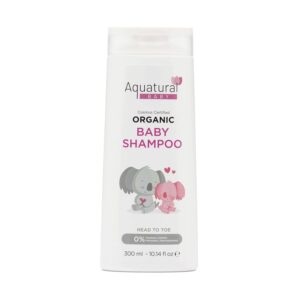
Organic Baby Shampoo - Gentle & Moisturizing
$14.99
- Made with gentle, non-toxic ingredients to protect your baby’s delicate skin.
- Richly moisturizing formula that keeps hair soft, shiny, and easy to comb.
- Vegan and eco-friendly, aligning with health-conscious families’ values.
- Suitable for all skin types, making it a versatile choice for siblings of different ages.
- Parents appreciate the calming, natural fragrance that adds a lovely touch to bath time.
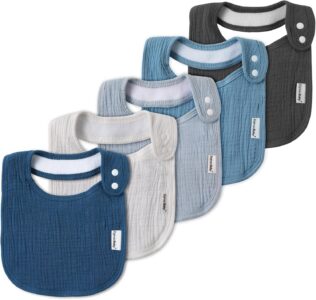
Organic Muslin Bibs for Drooling & Teething
$9.99
- Made from 100% organic muslin, ensuring a gentle touch on your baby's delicate skin.
- Highly absorbent fabric effectively keeps drool at bay, reducing the need for constant outfit changes.
- Stylish bandana design adds a trendy flair to your baby's wardrobe, making mealtime a fun affair.
- Quick-drying and easy to clean, these bibs are a practical choice for busy parents on the go.
- Versatile enough for teething, mealtime, or even as a fashionable accessory!

Plum Organics Stage 4 Variety - Toddler’s Flavor Expedition
$24.48
- Variety of Flavors: This selection features mouthwatering combinations like Banana & Blueberry and Strawberry & Banana, ensuring that your toddler enjoys mealtime.
- Organic Ingredients: Made with USDA certified organic purees, you can feel good knowing you are feeding your child non-GMO food.
- No Added Sugars or Salt: Each pouch is crafted without any unsweetened additives, keeping your child’s diet as pure as possible.
- Convenient Pouches: The resealable pouches make on-the-go snacking effortless, perfect for busy parents and curious toddlers.
- Health-Packed Nutrition: These blends are enriched with wholesome ingredients like Greek yogurt, spinach, and millet, promoting a balanced diet.
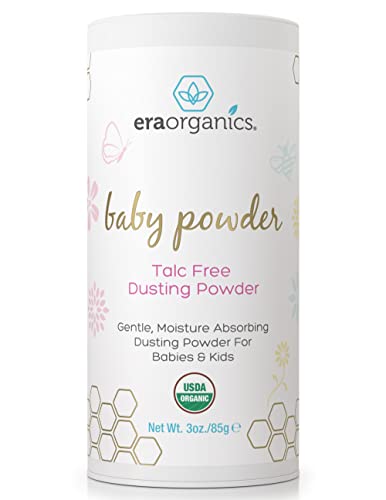
Era Organics USDA Organic Baby Powder - 3oz
$9.99
- Made from organic arrowroot powder and cornstarch, it naturally absorbs moisture while keeping skin soft and dry.
- Talc-free formulation ensures safety, making it ideal for sensitive skin and for use with cloth diapers.
- Infused with gentle calendula and rosemary extracts, it helps soothe and protect irritated or chapped skin.
- Free from fragrances and artificial additives, it’s perfect for parents concerned about toxic ingredients.
- Versatile use: great for diaper rash, chafing, or even as a freshening powder for shoes.
As an Amazon Associate we earn from qualifying purchases. We only recommend products we'd use ourselves — we're never paid for placement.