- Angela’s Picks
- Shop by Age
- Shop by Category
- Shop by Values
- Montessori Toys
- Sensory Toys
- Teething Toys
- Wooden Toys
- Educational Toys
- Stacking & Sorting Toys
- Baby Bottles
- Sippy Cups
- Plates & Bowls
- Bibs
- Baby Utensils
- Deals
- High Chairs
- Breastfeeding & Nursing
- Snack Containers
- Crib Mattresses
- Bassinets
- Sleep Sacks & Swaddles
- Baby Blankets
- Baby Monitors
- Cribs & Nursery Furniture
- Baby Shampoo & Wash
- Baby Lotion & Oil
- Baby Sunscreen
- Bath Tubs & Seats
- Towels & Washcloths
- Diaper Cream & Balm
- Eco-Friendly Diapers
- Baby Wipes
- Potty Training
- Changing Pads
- Cloth Diapers
- Baby Thermometers
- Baby Proofing
- Baby Gates
- Humidifiers
- First Aid & Grooming
- Onesies & Bodysuits
- Sleepers & Pajamas
- Hats & Mittens
- Nursing Pads
- Breast Pumps & Accessories
- Postpartum Care
The Ultimate Non-Toxic Baby Registry Guide (2026)

Quick Answer
Build a safe, non-toxic baby registry with our complete guide. Certifications, chemicals to avoid, product picks – everything you need to know.
Let’s be honest — building a baby registry is supposed to be fun. You’re imagining tiny onesies and those impossibly small socks. But then you start reading about chemicals in crib mattresses, BPA in bottles, and flame retardants in pajamas, and suddenly the whole thing feels like a chemistry final you didn’t study for.
I’ve been there. When I was pregnant with my first, I spent an embarrassing number of hours deep-diving into product safety certifications at 2 AM. The result? A registry that was researched within an inch of its life — and the realization that this information should be way easier to find.
So here it is: your no-nonsense guide to building a non-toxic baby registry. No fear-mongering, no guilt trips. Just practical advice from a mom who’s done the homework so you don’t have to.
What “Non-Toxic” Actually Means (And What It Doesn’t)
Before we dive into specific products, let’s clear something up: “non-toxic” isn’t a regulated term. Any company can slap it on a label. What we’re actually looking for are specific certifications and the absence of known harmful chemicals.
Certifications That Actually Matter
- GREENGUARD Gold — Tests for over 10,000 chemicals and VOCs. The gold standard for nursery furniture and mattresses.
- GOTS (Global Organic Textile Standard) — The real deal for organic fabrics. Covers the entire supply chain.
- OEKO-TEX Standard 100 — Tests textiles for harmful substances. Great for clothing, bedding, and anything touching baby’s skin.
- CertiPUR-US — For foam products (mattresses, play mats). No flame retardants, heavy metals, or formaldehyde.
- USDA Organic — For food and skincare. Means at least 95% organic ingredients.
Chemicals Worth Avoiding
You don’t need a chemistry degree, but knowing these common offenders helps you make smarter choices:
Baby Sleep Miracle
Help baby sleep through the night naturally
Get It →- BPA/BPS — Found in plastics. Linked to hormone disruption. Look for “BPA-free” on bottles and food containers.
- Phthalates — Hiding in fragrances and soft plastics. Choose fragrance-free when possible.
- Flame retardants — Common in mattresses, nursing pillows, and car seats. Look for products that meet flammability standards without chemical treatments.
- Formaldehyde — Shows up in pressed wood furniture and wrinkle-free fabrics. Choose solid wood and natural fibers.
- VOCs (Volatile Organic Compounds) — Off-gassing from new furniture and paint. Air out new items before use.
The Nursery: Where Safety Starts
The Crib
Your crib is the one piece of furniture where your baby will spend the most time unsupervised. It’s worth investing here. Look for solid wood construction (avoid pressed wood/MDF), non-toxic finishes (water-based or zero-VOC), and GREENGUARD Gold certification. Skip the drop-side cribs — they’ve been banned for safety reasons since 2011.
The Mattress
This is arguably the most important non-toxic purchase you’ll make. Your baby sleeps 14-17 hours a day — that’s a lot of face time with their mattress. Look for CertiPUR-US or GREENGUARD Gold certified, organic cotton or wool cover, no polyurethane foam (if possible), and a waterproof surface that’s PVC-free.
Bedding
Keep it simple: one fitted sheet, that’s it. No bumpers, no blankets, no pillows in the crib (safe sleep guidelines, people). Choose GOTS-certified organic cotton or OEKO-TEX certified sheets. You’ll want 2-3 in rotation for the inevitable middle-of-the-night changes.
Feeding: From Bottles to High Chairs
Bottles
Whether you’re breastfeeding, formula feeding, or combo feeding — no judgment here — you’ll probably need bottles at some point. Glass bottles are the cleanest option (no leaching, ever), but silicone bottles are a great lightweight alternative. If you go with plastic, make sure it’s BPA-free, BPS-free, and phthalate-free.
High Chairs
When solids time arrives (around 6 months), you’ll want a high chair without PFAS-treated fabric, no lead-containing paint, and easy-to-clean surfaces that don’t need harsh chemicals. Wood high chairs with a simple wipe-clean tray are a fantastic option.
Baby Food Prep
Stainless steel or glass storage containers beat plastic every time. For on-the-go, silicone squeeze pouches are reusable and way better for the planet than single-use pouches. If you’re buying pre-made baby food, look for USDA Organic and read the actual ingredients — “organic” cookies are still cookies.
Diapering: The Great Diaper Debate
Cloth vs. disposable is a personal choice, and both can be done safely. If you go disposable, look for chlorine-free, fragrance-free, and dye-free options. Many eco-friendly disposables now use plant-based materials and are biodegradable. For cloth, organic cotton or bamboo inserts are the cleanest choice.
For diaper cream, zinc oxide-based is your friend. Avoid anything with fragrance, parabens, or petroleum-derived ingredients. Your baby’s skin will thank you.
Bath Time & Skincare
Baby skin is thinner and more absorbent than adult skin, so what goes ON your baby matters almost as much as what goes IN. The golden rules: fragrance-free (always), minimal ingredients, and certified organic when possible.
For bath wash, look for plant-based surfactants instead of sulfates. For moisturizer, coconut oil, shea butter, or a simple organic baby lotion works great. And honestly? Babies don’t need a bath every day — 2-3 times a week is plenty for newborns.
Gear: Car Seats, Strollers & Carriers
Car seats are tricky because safety (crash protection) is the top priority, and that sometimes means foam and flame-retardant fabrics. The good news: many manufacturers are moving toward inherently flame-resistant fabrics like wool. Look for GREENGUARD Gold-certified car seats when possible, but never compromise on crash safety ratings for chemical-free claims.
For strollers and baby carriers, you have more flexibility. Organic cotton carriers, OEKO-TEX certified fabrics, and simple metal-frame strollers are all great options.
The Bottom Line
Here’s the thing nobody tells you: you don’t have to be perfect. Going non-toxic isn’t all-or-nothing. Every safer swap you make is a win. Start with the things your baby has the most contact with — their mattress, their bottles, their skincare — and go from there.
Your baby doesn’t need the most expensive organic everything. They need a safe place to sleep, clean food to eat, and a parent who isn’t stressed out of their mind trying to be perfect. You’re already doing great by being here and asking these questions.
Now go build that registry. You’ve got this. 💪
Have questions about a specific product? Drop me a line at [email protected] — I love nerding out about this stuff.
Registry Must-Haves
| Product | Best For | Price | |
|---|---|---|---|
| Earth's Best Organic Strawberry Banana Teething Snacks, 2.8 | Best Overall | $11.40 | View |
| Yoofoss Baby Girl Organic Cotton Romper | Best Value | $19.99 | View |
| Burt's Bees Baby Beekeeper Wearable Blanket, Organic Cotton | Editor's Pick | $14.99 | View |
| BumbleBear 2-Pack Organic Cotton Baby Sleep Sacks | Great Choice | $26.96 | View |
| Burt's Bees Baby Organic Cotton Burp Cloths, 5-Pack | Great Choice | $23.95 | View |
| Happy Baby Organics Stage 2 Baby Food Pouches, | Great Choice | $31.93 | View |
BEST OVERALL 
Earth's Best Organic Strawberry Banana Teething Snacks, 2.8 oz
$11.40
- Easy Dissolvable Texture: These snacks dissolve quickly in your baby's mouth, making them safe and enjoyable for little ones who are just beginning to explore solid foods.
- Wholesome Ingredients: Crafted from organic banana and strawberry powders, these snacks provide a burst of natural flavor without any artificial additives.
- Fun for Little Hands: The shape and size are perfect for tiny fingers to grasp, encouraging self-feeding and developing fine motor skills.
- Teething Relief: The crunchy texture helps to soothe sore gums, offering comfort during that challenging teething period.
- Convenient Packaging: Each pack contains five individually wrapped sticks, making it easy to take along for snacks on the go.
BEST VALUE 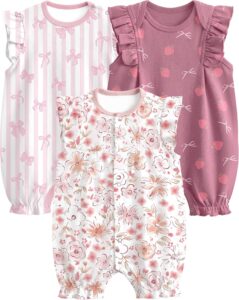
Yoofoss Baby Girl Organic Cotton Romper
$19.99
- Soft and breathable organic cotton that feels gentle against delicate skin.
- Adorable design options that allow your baby to express their personality.
- Durable stitching and quality construction for a piece that lasts through play and wash.
- Easy to put on and take off, making dressing a breeze for busy parents.
- Versatile enough for both casual outings and cozy days at home.
EDITOR'S PICK 
Burt's Bees Baby Beekeeper Wearable Blanket, Organic Cotton
$14.99
- Made from 100% organic cotton, ensuring a soft and gentle feel against your baby's delicate skin.
- The unique design allows for easy dressing and undressing, minimizing fuss during changes.
- It features a thoughtful design that allows for freedom of movement, promoting safe sleep practices.
- Machine washable for easy care, making it practical for busy parents.
- Lightweight yet warm, this wearable blanket is ideal for various climates and keeps your baby comfortable.
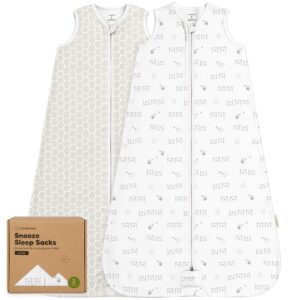
BumbleBear 2-Pack Organic Cotton Baby Sleep Sacks
$26.96
- Crafted from soft, breathable organic cotton, keeping your baby comfortable all night.
- The lightweight design makes it suitable for year-round use, adapting to any season.
- Equipped with an easy-to-use zipper, ensuring a snug fit that won’t shift during the night.
- Perfectly sized for transitioning from swaddles to sleep sacks, making the change smooth and stress-free.
- Parents appreciate the soft texture that feels great against their baby’s skin, promoting better sleep.

Burt's Bees Baby Organic Cotton Burp Cloths, 5-Pack
$23.95
- Soft & Gentle: Made from 100% organic cotton, these burp cloths are gentle enough for the most sensitive skin.
- Maximum Absorbency: Designed with multiple layers for superior absorbency, they keep both you and your baby dry during feeding sessions.
- Generous Size: Measuring 17 x 11.75 inches, they provide ample coverage, making clean-ups quick and easy.
- Stylish Options: Available in adorable prints and colors, these burp cloths are not just functional but also a cute accessory for your baby's outfit.
- Easy to Care For: Machine washable and durable, these cloths get softer with each wash while maintaining their vibrant colors.

Happy Baby Organics Stage 2 Baby Food Pouches, 4 Ounces (Pack of 16)
$31.93
- Clearly Crafted: The transparent packaging allows you to see the vibrant ingredients, ensuring you know exactly what your baby is eating.
- Flavor Exploration: These pouches are tailored for Stage 2 eaters, bringing new and exciting flavors to their palate while maintaining a smooth texture.
- Organic Goodness: Made with certified USDA organic ingredients, you can trust that you’re feeding your child healthy, non-GMO food.
- Convenient Snacking: The easy-to-squeeze pouches make on-the-go feeding a breeze, perfect for busy parents and curious toddlers!
- Diverse Options: With a range of flavors, these pouches help introduce your baby to a variety of nutritional profiles, laying the foundation for healthy eating habits.
As an Amazon Associate we earn from qualifying purchases. We only recommend products we'd use ourselves — we're never paid for placement.
Angela's Recommended Resources
Guides and courses I personally recommend:
Most Popular
Baby Sleep Miracle
Proven gentle method to help your baby sleep through the night naturally. No cry-it-out, science-backed.
* Affiliate links. We may earn a commission at no extra cost to you.